


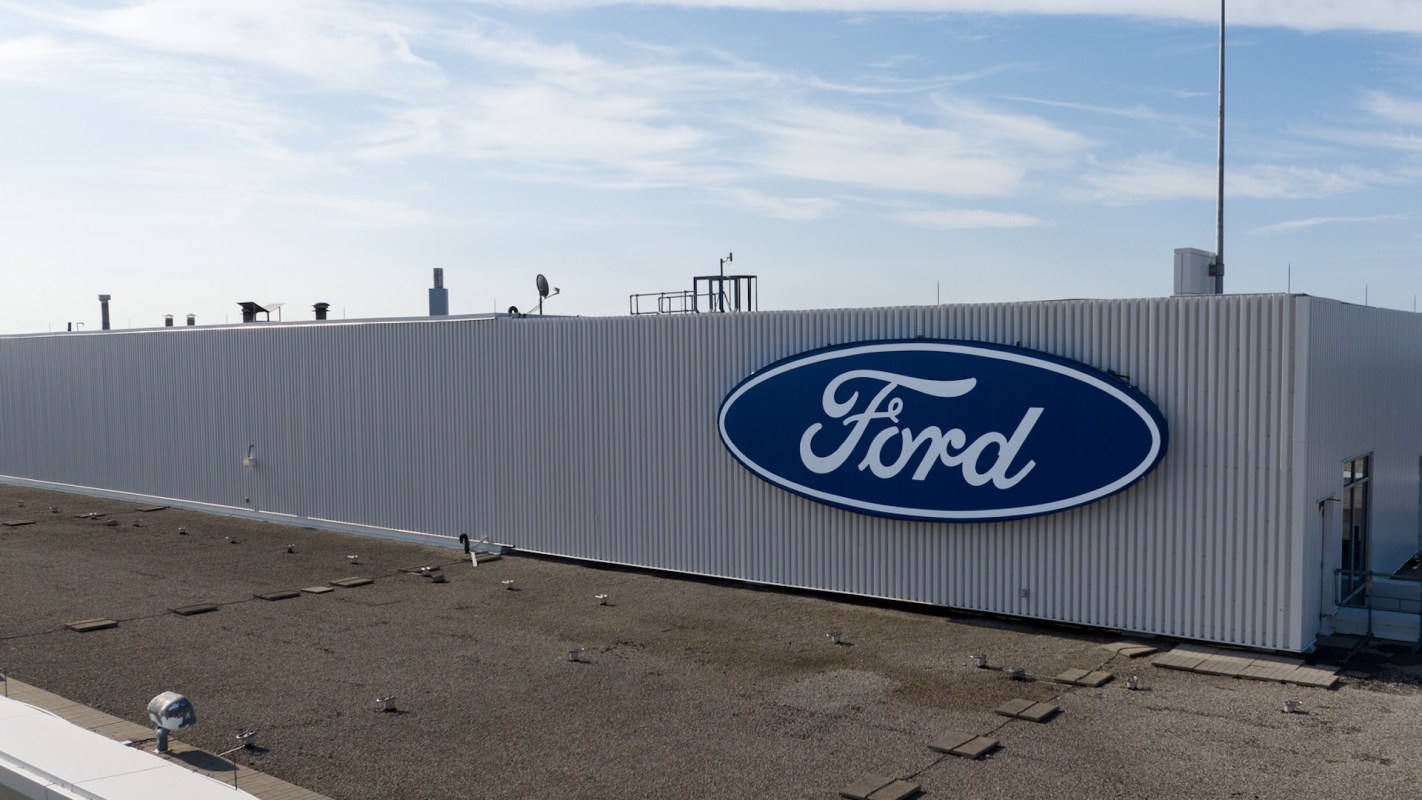
Ford is making a direct play for Tesla's fast-growing battery business.
The automaker has unveiled Ford Energy, a new unit centered on making battery energy storage systems. The move expands Ford's electric ambitions well beyond EVs and into one of the fastest-growing areas of the clean energy economy.
What happened?
Ford said it plans to assemble large-scale battery storage units for utilities, data centers, and industrial users, according to a press release cited by CarbonCredits.com, with production expected to ramp up at its Kentucky battery facility.
The company is targeting 20 gigawatt-hours a year by late 2027, a level that could make it one of the biggest U.S.-based suppliers in the sector.
The announcement generated immediate buzz because it places Ford in more direct competition with Tesla's Megapack business at a moment when power demand is rising with AI, cloud services, and electrification.
Investors appeared to welcome the strategy: Ford shares jumped roughly 13%, according to Carbon Credits, marking the company's biggest one-day gain in nearly six years.
TCD Picks » Quince Spotlight
💡These best-sellers from Quince deliver affordable, sustainable luxury for all




In its announcement, Ford said, "Utilities and developers need storage systems they can finance, insure and depend on for decades."
The company said it is positioned to meet that need, pointing to its long history of manufacturing "at industrial scale." Its flagship offerings will be 20-foot LFP battery containers, with two-hour and four-hour options for renewable projects, factories, AI data centers, and grid-balancing uses.
Why does it matter?
This kind of battery storage could affect daily life in ways people actually notice. Large-scale storage systems help keep electricity flowing when demand spikes, when the sun sets, or when extreme weather puts stress on the grid. That can mean fewer outages, faster backup power, and a more stable electric system for homes, businesses, and cities.
It could also help bring down costs over time. Batteries can store electricity when it is plentiful and cheaper, then discharge it when power is more expensive or harder to access. That makes wind and solar more useful, eases pressure on grid infrastructure, and can help utilities and large energy users avoid costly peak-demand charges.
Ford is entering the market at a time of enormous demand. BloombergNEF predicted that global energy storage deployments will continue to rise quickly, while the International Energy Agency said data center power use may more than double by 2030, according to Carbon Credits. That creates a major opening for companies that can deliver reliable, U.S.-made storage systems at scale.
What are people saying?
Ford is positioning the move as a durability and reliability play. In its statement, the company emphasized that customers want suppliers who will "be there in year 10 to honor a warranty claim."
According to Carbon Credits, analysts at Morgan Stanley said that Ford's tie-up with Contemporary Amperex Technology Co. Limited gives it a "strong strategic advantage" in the fast-growing battery storage market. Investors appeared to agree, backing the company's roughly $2 billion move into U.S.-made battery systems.

Get TCD's free newsletters for easy tips, smart advice, and a chance to earn $5,000 toward home upgrades. To see more stories like this one, change your Google preferences here.






