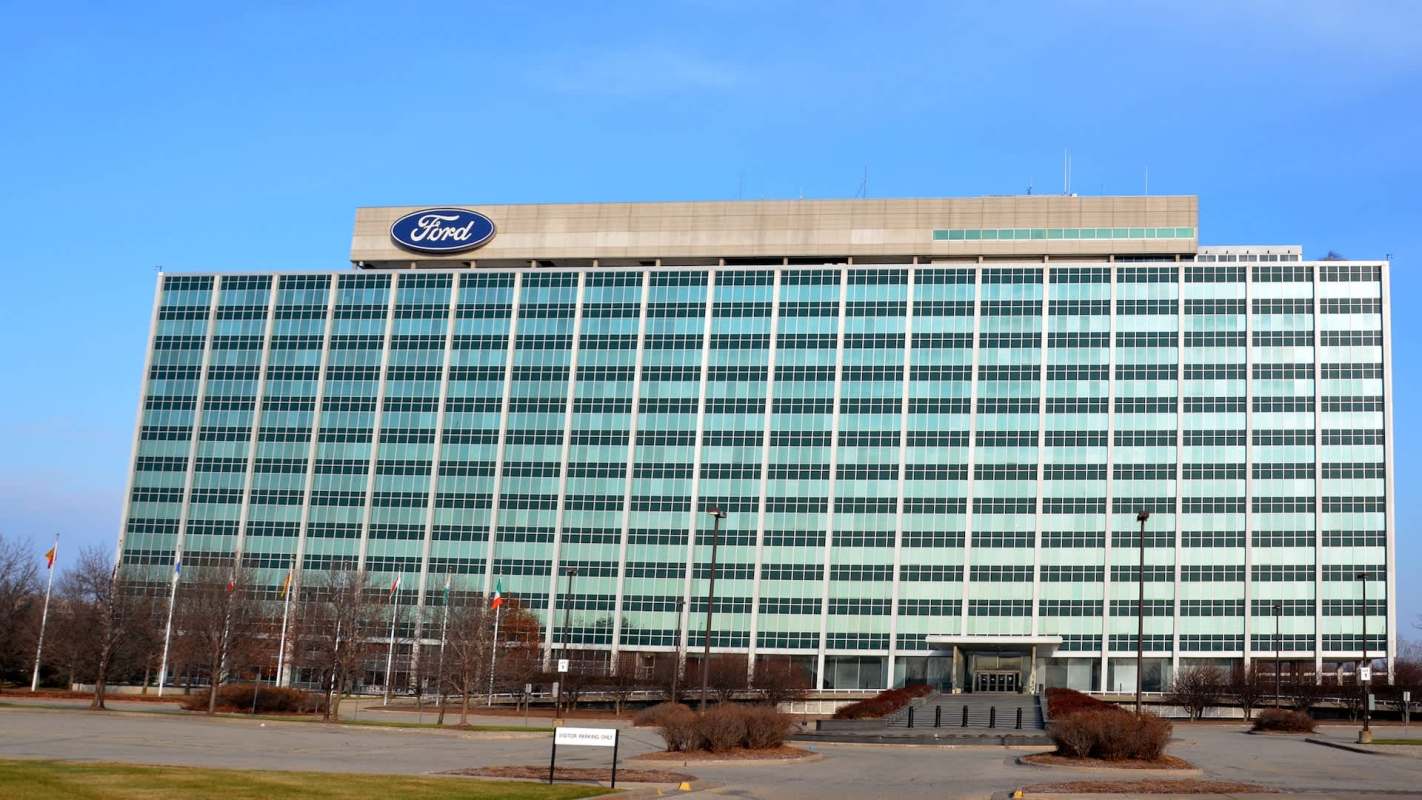
Ford is facing a proposed class action in Michigan after saying it expects a one-time $1.3 billion gain from tariffs, even as it maintains that customers who may have paid tariff-related markups will not be reimbursed.
At issue is whether buyers who absorbed higher prices linked to those tariffs should get a refund once the underlying costs are reversed.
What happened?
A Ford Mustang Mach-E owner filed the case in Michigan, Ford Authority reported, citing The Detroit News. The complaint alleges that Ford worked tariff expenses into vehicle prices and destination charges, and that customers should now be repaid after Ford became eligible for tariff refunds.
Ford has said the expected $1.3 billion benefit is tied to tariffs it paid between March 2025 and February 2026. The President imposed those levies under the 1977 International Emergency Economic Powers Act, and the Supreme Court later ruled in February that some of them were illegal.
The lawsuit says buyers of the affected vehicles ended up covering the added costs, while any repayment flows back only to the importer that originally paid the tariffs. In this instance, the complaint argues that it means Ford keeps the refund while customers get nothing.
The filing arrives alongside similar cases against Amazon, Costco, and Nike. General Motors, Ford's cross-town rival, has likewise said it would not refund customers for tariff-related vehicle price increases.
TCD Picks » Quince Spotlight
💡These best-sellers from Quince deliver affordable, sustainable luxury for all




Why does it matter?
The question is whether companies should be allowed to keep both the higher prices charged during a tariff period and the later refund that wiped out those costs.
Even relatively small increases in sticker prices or destination charges can put added strain on household budgets. Buyers who stretched financially to afford an electric vehicle such as the Mustang Mach-E may have absorbed a corporate cost that is now being repaid only to Ford.
If a company frames price hikes as tied to government policy, customers may believe those increases reflect real costs. When those costs are later invalidated, the company can still keep the money.
The complaint says consumers cannot obtain tariff refunds directly from the federal government themselves, which could leave litigation as one of the few ways to challenge the practice, according to Ford Authority.
What's being done?
The proposed class action is seeking repayment of what it characterizes as tariff-related overcharges that customers allegedly paid when those import costs were built into vehicle pricing.
If the case moves forward, it could test whether companies that passed along tariff costs have any obligation to share refunds with buyers after those levies are overturned, Ford Authority noted. A ruling in favor of consumers could have implications beyond Ford, given the similar cases already emerging against other major brands.
"If Ford retains the (tariff refunds) while also retaining the tariff-related price increases paid by consumers, Ford will receive a double recovery and unjust windfall," the lawsuit states. Ford spokesperson Richard Binhammer said: "We have a lineup of affordable and accessible vehicles today and we'll continue to act on that commitment in ways that make sense for customers and dealers."

Get TCD's free newsletters for easy tips, smart advice, and a chance to earn $5,000 toward home upgrades. To see more stories like this one, change your Google preferences here.