


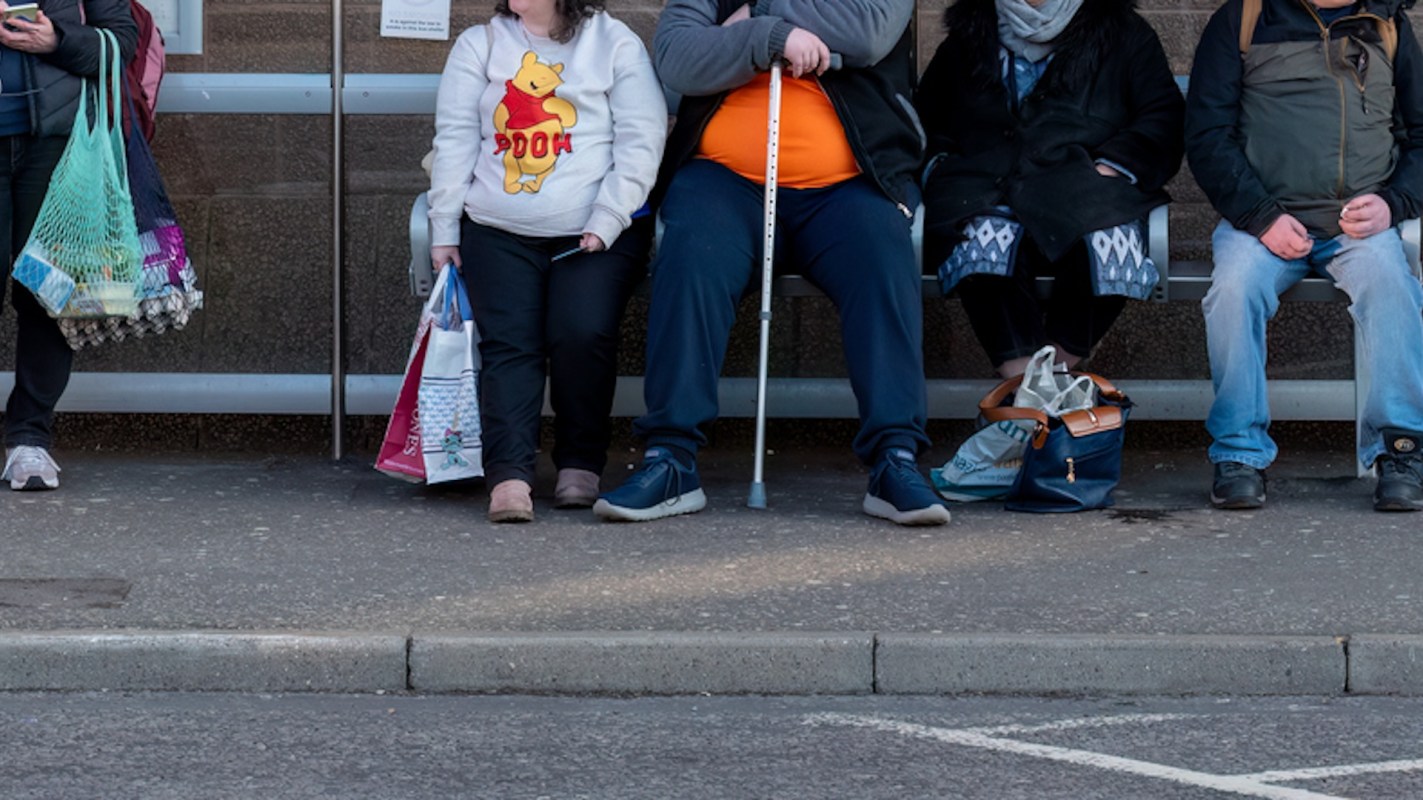
For millions of Americans, getting groceries is becoming a drawn-out ordeal as bus routes disappear, bus service slows down, and the last full-service stores in some neighborhoods shut their doors.
According to The Guardian, the problem is affecting communities from Memphis, Tennessee, to Providence, Rhode Island, as coronavirus pandemic-era transit funding runs out and agencies cut services to save money. That combination is making it harder for people without cars to reach affordable, healthy food while pushing the country further from a future that is both more equitable and less car-dependent.
In Memphis, Zen'Yari Winters told The Guardian that she leaves three hours early for a job that should be reachable in just 20 minutes by bus. Grocery shopping is even more difficult.
After her neighborhood's sole full-service grocer closed in 2025, Winters was left to rely on a Walmart 13 miles away, requiring two buses and long waits while carrying perishables home. Her workaround has been to order groceries online every two weeks even though delivery fees are not covered by her Supplemental Nutrition Assistance Program benefits.
"That's literally my only option," she remarked.
Unfortunately, her experience is far from rare.
TCD Picks » Quince Spotlight
💡These best-sellers from Quince deliver affordable, sustainable luxury for all




About 16 million Americans lack cars, and nearly 25 million live in areas described as "transit deserts," where service does not meet demand, per The Guardian.
A 2020 study by the University of New Hampshire found that adding just one bus for every 10,000 city residents can modestly reduce household food insecurity. On the contrary, the loss of nearby stops can push people away from cheap, healthy stores and toward whatever is closest, which is often small shops with few nutritious options and high prices.
The Ocean State offers another stark example.
According to The Guardian, the Rhode Island Public Transit Authority reduced service on 45 of its 63 routes in 2025, leaving riders to face longer waits, extra transfers, and less shelter from bad weather.
"That's just hard on an elderly person to stand there for 30 minutes or 45 minutes; it's raining, it's snowing," Newport resident Sherman Pines said.
When public transit is unreliable, people can be forced into expensive ride-hailing trips, dependence on neighbors, and simply buying less fresh food. It also undermines climate action progress, as having fewer dependable buses creates more pressure to rely on cars even as cities say they want cleaner air and less pollution.
Some cities are testing workarounds, including e-bike rebate programs, microtransit vans, and mobile grocery stores. In Memphis, a nonprofit is even helping residents learn to ride gas-powered scooters as a cheaper alternative to unreliable buses and unaffordable cars.
Still, these are stopgaps, not substitutes for a system that lets people reliably reach jobs, stores, and services in the first place.
As microeconomist Sierra Arnold put it, "When stops leave a neighborhood, your options immediately change, and people look at their next best choice."

Get TCD's free newsletters for easy tips, smart advice, and a chance to earn $5,000 toward home upgrades. To see more stories like this one, change your Google preferences here.






