


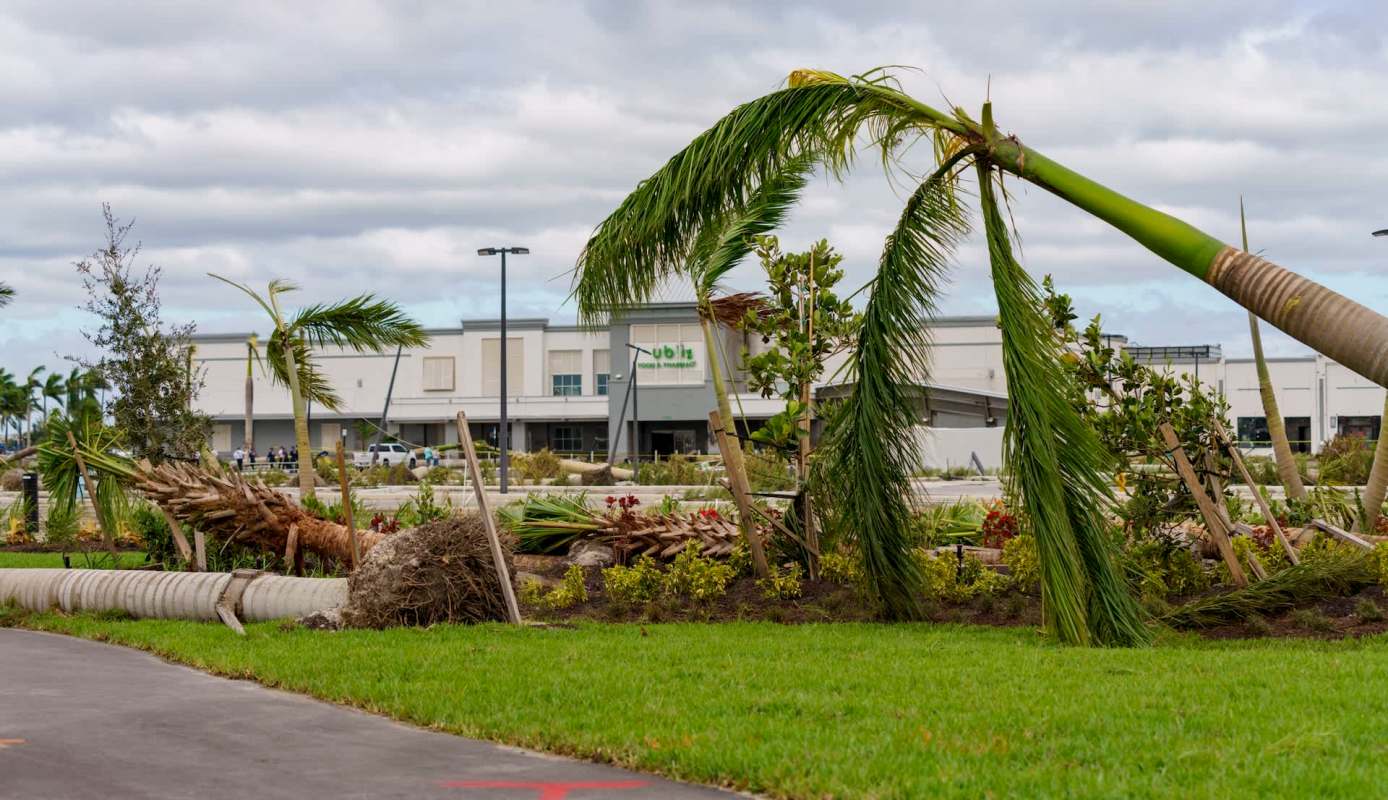
State regulators in Florida have signed off on a modest reduction in the amount Florida Power & Light can pass along to customers for hurricane recovery.
Even with that cut, the final total still comes to more than $1.1 billion for restoring power after major storms, with the expense ultimately flowing back to households through utility bills.
What happened?
Before the final decision, the Florida Public Service Commission had authorized a temporary storm recovery charge in December 2024 using a $1.2 billion estimate, T&D World reported. Those charges were already showing up on customer bills so the utility could pay for restoration work without waiting for a full review.
Now, after a settlement between Florida Power & Light and the Florida Office of Public Counsel — which represents consumers in utility matters — the commission has approved a final recovery amount of about $1.125 billion for work tied to Hurricanes Debby, Helene, and Milton.
That leaves the finalized figure roughly $75 million below the earlier estimate. The new decision replaces the preliminary number with the final amount FPL can recover.
Why does it matter?
When hurricanes damage poles, wires, and substations, utilities often move quickly to restore service and then seek permission to recover those costs later. That process can speed repairs, but it also means storm damage can keep affecting families financially long after the power comes back on.
TCD Picks » Quince Spotlight
💡These best-sellers from Quince deliver affordable, sustainable luxury for all




Worsening extreme weather disasters threaten lives and livelihoods in both immediate and lasting ways. Extended outages can spoil food, interrupt access to medicine, endanger people who rely on powered medical devices, shut down businesses, and strain emergency services. They can also make recovery harder for workers who lose income and for communities trying to reopen schools, stores, and public buildings.
A storm does not just damage infrastructure — it can drive up insurance costs, trigger expensive repairs, disrupt supply chains, and add new charges to household budgets. For many Floridians, that means the true cost of a hurricane is felt for months.
What's being done?
The settlement shows one way regulators can try to balance competing needs. Utilities need funding to restore service quickly after disasters, but customers also need oversight to make sure they are not paying more than necessary. In this case, negotiations brought the approved recovery amount below the initial estimate.
Regulatory reviews like this can help test whether projected storm costs match documented spending. They may not eliminate storm-related charges, but they can improve transparency and potentially reduce the amount passed on to ratepayers.
Keeping backup batteries charged, storing water and shelf-stable food, signing up for local emergency alerts, and having a plan for refrigeration or medical needs during outages can all reduce risk when the grid goes down.
Stronger grid design, targeted undergrounding, home weatherization, and energy-efficiency upgrades can help communities recover faster and reduce vulnerability during future storms.

Get TCD's free newsletters for easy tips, smart advice, and a chance to earn $5,000 toward home upgrades. To see more stories like this one, change your Google preferences here.






