


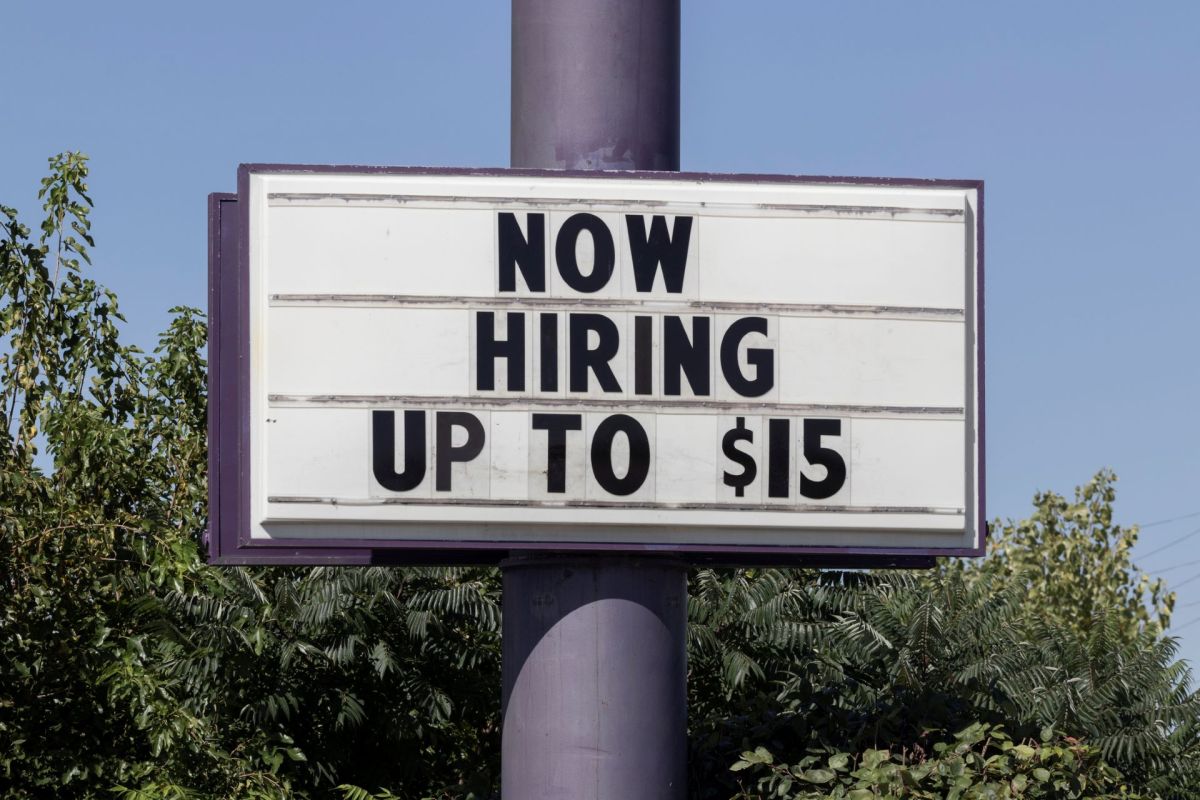
In a voter-approved measure, Florida's minimum wage is set to rise from $14 to $15 on September 30.
Here's what to know
With 60.8% of the vote in 2020, Florida voters passed the constitutional amendment that set this increase in motion, according to WUSF. Since then, the state rate has climbed along a multiyear schedule that started at less than $9 in 2019.
For tipped employees, employers must pay $11.98 an hour directly, and they can apply $3.02 in tips toward the full $15 minimum.
Speaking to WUSF, Lowndes shareholder and labor-and-employment attorney Jyllian Bradshaw said, "This path that we've been walking for the past several years has been positive in a lot of those ways in that it's forward-looking and it gives everybody the opportunity to plan."
The increase comes as Floridians continue to face rising living costs.
"It's no secret that the cost of living has been on the steady increase over time, and we're fortunate in this state to have this framework and pathway that sort of keeps pace," Bradshaw said.
TCD Picks » Quince Spotlight
💡These best-sellers from Quince deliver affordable, sustainable luxury for all




More background
Unless lawmakers or voters change it, the amendment calls for continual increases tied to inflation. And if the federal minimum wage were ever set above that amount, Florida employers would have to pay the higher national rate.
The federal minimum wage still sits at just $7.25 per hour — less than half of what Florida workers will earn under the new state standard.
Many said the previous wage was not enough to live on given the cost of living in Florida, believing that giving workers more money to spend would help the economy.
State Representative Angie Nixon of Jacksonville — the Democratic nominee for U.S. Senate — is campaigning for a $25 federal minimum wage. In a social media post, Nixon wrote, "Because when vegetables and fresh produce feel like a luxury for our working families, we have a major problem."
What's being done?
Samantha Padgett, Florida Restaurant and Lodging Association's government-relations vice president and general counsel, told WUSF the group worries about what will come next, already managing several other rising costs.
"Gas costs are going up, transportation costs are going up, food costs are going up," Padgett said. "It does add to challenges for business owners and operators."
Padgett advised businesses to plan for future increases. "I think some employers may not be prepared for the fact that $15 is not the ceiling for Florida's minimum wage."
Where can I learn more?
These stories explore Florida utility bills, electricity rate decisions, energy funding, and rising grocery prices.
• In Florida, power bills rose sharply as the attorney general stayed out of rate fights.
• Florida Power & Light customers could see an $8 September bill drop after lower storm costs.
• Duke Energy Florida customers avoided a 2027 rate hike after tax savings were fast-tracked.
• Florida's citrus industry is seeing orange juice get pricier as greening disease squeezes supply.
• Florida leaders rejected federal efficiency funding even as dangerous heat keeps driving energy demand.

Get TCD's free newsletters for easy tips, smart advice, and a chance to earn $5,000 toward home upgrades. To see more stories like this one, change your Google preferences here.






