


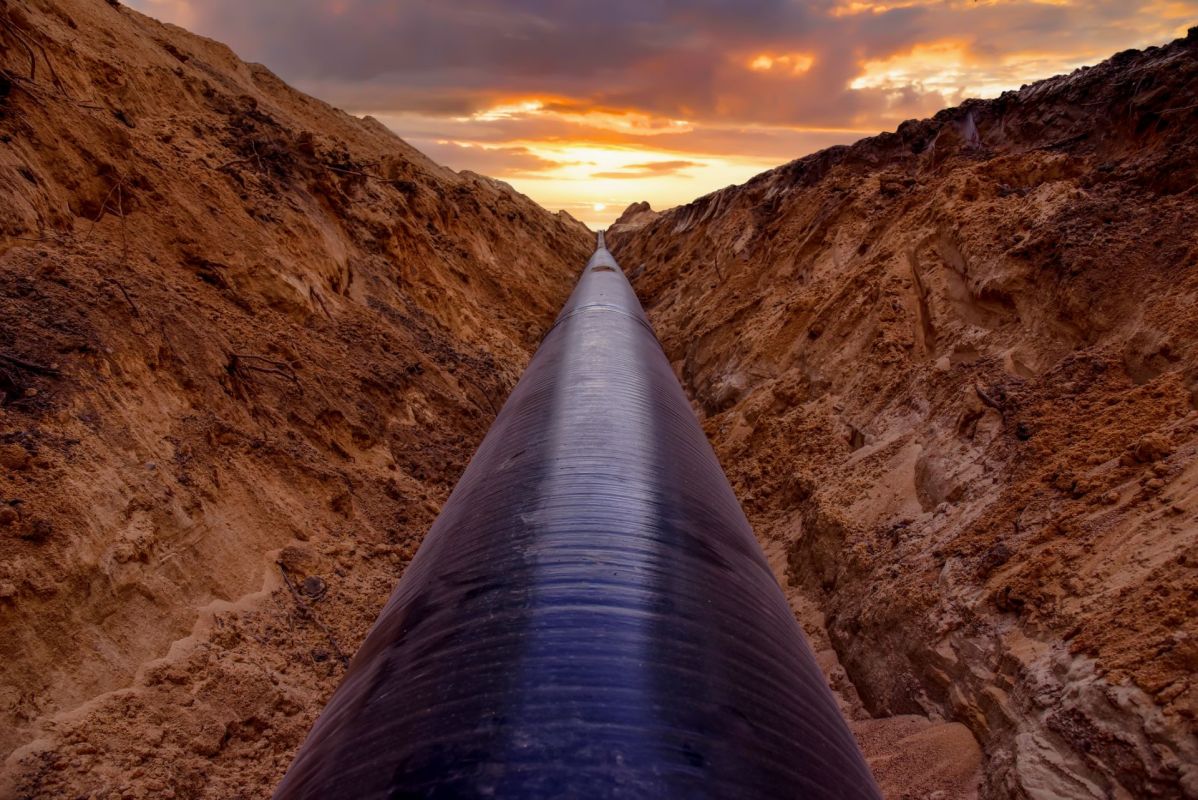
Sixteen agricultural landowners in Florida are resisting survey and testing work for a proposed 38-mile natural gas pipeline, a dispute that has led to litigation.
Private property rights and the risk of damage to working farms are at issue in the six lawsuits the pipeline company filed after the owners refused access.
Here's what to know
The defendants include U.S. Sugar and owners who lease farmland to the company.
The proposed 24-inch pipeline would run south from Martin County to South Bay in southwestern Palm Beach County and connect with another planned pipeline to Miami, according to the local outlet STET News.
The pipeline company — Florida Gas Transmission Co. — argues that the project would meet rising demand for natural gas in South Florida while improving energy reliability. In an October court filing, it asserted a "clear legal right" to enter the properties.
The landowners contend that their constitutional rights allow them to deny the company access. They want full compensation if the court rules otherwise.
TCD Picks » Quince Spotlight
💡These best-sellers from Quince deliver affordable, sustainable luxury for all




Among those challenging the company is Donia Roberts, an attorney whose family owns 200 acres.
"It would put me out of business. I can't afford to put up a legal fight to protect my private property rights," Roberts told STET News. "It's taking our land out of production. Remember, we do feed the world."
More background
About 15 miles of the proposed pipeline route would cross U.S. Sugar's land, according to the Palm Beach County news outlet. Company spokesperson Ryan Duffy said U.S. Sugar had rejected a request to drill "100-foot boreholes" and warned that the holes could penetrate the aquifer.
In addition to drilling concerns, landowners also worry that heavy machinery could compact the Everglades' soft soils and damage the privately maintained water-management system that sugarcane farming relies on.
Growers also worry that visiting workers could spread the pasture mealybug, STET reported. The pest can kill crops.
Natural gas supplies about three-quarters of the electricity generated in Florida, according to the U.S. Energy Information Administration. The state produces little natural gas of its own, relying instead on pipelines carrying supplies from Gulf states.
What's being done?
U.S. Sugar filed its own complaint in a Hendry County court, seeking to prevent the pipeline company from entering its properties, according to STET. The filing also names a utilities company, a subsidiary of which is developing the connecting $1.2 billion Florida Energy Pathway pipeline.
The access lawsuits will determine whether preliminary surveys and tests can move forward. The pipeline company must complete that work before it can apply to the Federal Energy Regulatory Commission.
The company will also need a federal Certificate of Public Convenience and Necessity, along with permits from other agencies, including the Florida Fish and Wildlife Conservation Commission.
A spokesperson for the pipeline project declined comment to STET regarding ongoing legal matters.
Meanwhile, for Donia Roberts, opposition to the route does not mean opposition to additional energy infrastructure. She wants less disruptive routes considered.
"But supporting infrastructure does not mean landowners should be expected to simply roll over when their property and livelihoods are at stake," Roberts told STET News. "That won't happen here."

Get TCD's free newsletters for easy tips, smart advice, and a chance to earn $5,000 toward home upgrades. To see more stories like this one, change your Google preferences here.






