


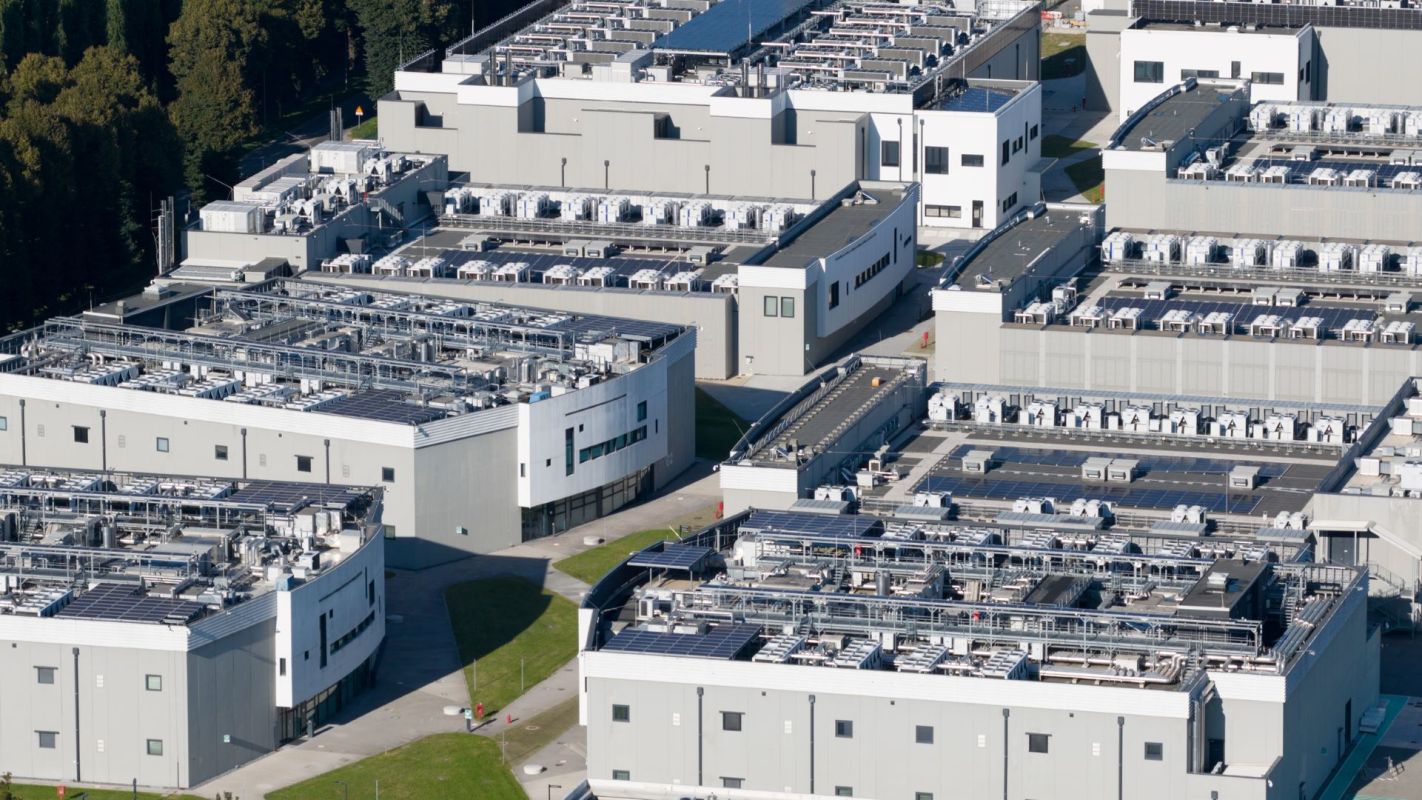
Rapid AI-driven data center growth is intensifying the dispute over who should pay for grid spending.
When huge new facilities need more power, should infrastructure upgrade costs be spread to ordinary customers, or collected more heavily from the big tech corporations creating the new demand?
This question is now at the center of a closely watched proposal from the electric utility FirstEnergy.
According to RTO Insider, FirstEnergy has asked the Federal Energy Regulatory Commission to handle certain transmission costs more like the way new gas pipelines are financed.
Under the proposal, large load customers would directly pay for the transmission needed for their projects as power demand increases, rather than having the costs spread to everyone else.
The idea is aimed at very large electricity users whose developments can set off the need for new power lines, substations, and other related equipment.
TCD Picks » Quince Spotlight
💡These best-sellers from Quince deliver affordable, sustainable luxury for all




Instead of distributing those costs across the broader base of transmission customers, FirstEnergy said the biggest new sources of demand should take on more of the expense.
FirstEnergy wrote in an FERC filing, "American households are being asked to pay for transmission infrastructure built to serve hyperscale data centers. Under FERC's current rules, when a utility constructs new high-voltage transmission lines and substations to connect a single new data center, the cost of that infrastructure is spread across all customers in the surrounding regions."
The utility noted that "ordinary families and small businesses see their electric bills rise to support facilities that were built to serve the new data center facilities."
FirstEnergy concluded, "Adapting [this] framework to electric transmission infrastructure would protect consumers, provide developers with regulatory certainty, and strengthen the nation's ability to build the modern grid required for economic growth and technological leadership."
This question of who pays for transmission upgrades is already affecting Americans' monthly utility bills right now. These costs are spread across all customers, including households and small businesses, who are helping fund infrastructure built largely to serve a relatively small number of giant new facilities.
But if the costs are assigned more directly to those projects, developers could face higher upfront expenses. This could also push Big Tech companies to choose sites more carefully and plan their growth more efficiently and sustainably.

Get TCD's free newsletters for easy tips, smart advice, and a chance to earn $5,000 toward home upgrades. To see more stories like this one, change your Google preferences here.






