


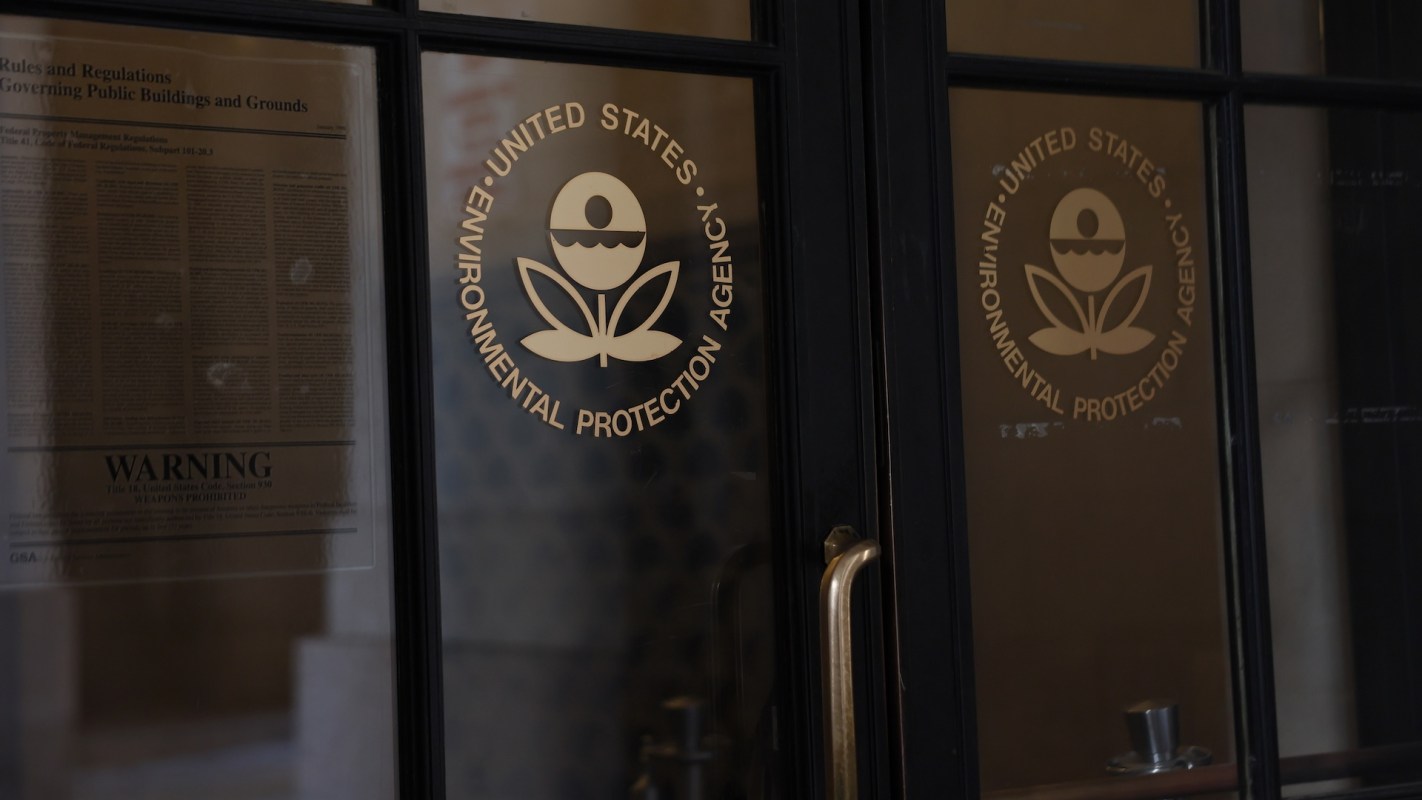
For the first time, the U.S. government has taken steps toward potentially regulating the levels of microplastics and pharmaceuticals found in drinking water, The Associated Press reported.
The Environmental Protection Agency proposed adding the substances to a list of possible drinking-water contaminants. If the proposal succeeds, it could pave the way for the government to place legal limits on the amount of microplastics and pharmaceuticals allowed in drinking water.
However, skeptics expressed doubt over whether the moves would actually result in meaningful changes.
"It's the beginning of a very long process that routinely ends in nothing," said Erik Olson, an attorney at the Natural Resources Defense Council, per the AP.
Research has long shown that drinking water contains both microplastics and pharmaceuticals.
Microplastics, small pieces of plastic measuring less than 5 millimeters, have been found in both tap water and bottled water. According to Pennsylvania State University, scientists have found an average of 5.5 plastic particles per liter of tap water and 325 per liter of bottled water.
Similarly, researchers have detected pharmaceuticals in drinking water. They typically enter the water system via human waste and people flushing unused medications down the toilet.
"You might think that wastewater treatment plants would take care of the situation, but pharmaceuticals pass through water treatment," according to the United States Geological Survey.
While it has been well-established that drinking water is contaminated with both microplastics and pharmaceuticals, experts say that further investigation is needed to understand the impact these substances have on human health.
"Much more research needs to be done to know what adverse effects they may have," the Penn State article said.
TCD Picks » Quince Spotlight
💡These best-sellers from Quince deliver affordable, sustainable luxury for all




|
Which of these savings plans for rooftop solar panels would be most appealing for you?
Click your choice to see results and earn rewards to spend on home upgrades. |
 Save $1,000 this year 💸
 As for potentially adding microplastics and pharmaceuticals to the EPA's Contaminants Candidate List for drinking water, environmental and public health advocates said the move was significant but cautioned that much work remained.
"Including it in the list would be the first step toward eventually regulating microplastics in public water supplies, and hopefully this is not the last step," said Judith Enck, a former EPA regional administrator, per the AP.
Regardless of the actions coming out of Washington, D.C., we all can take steps to reduce the amount of microplastics and pharmaceuticals entering the environment.
For example, when it comes to microplastics, you can use less plastic by choosing plastic-free alternatives for everyday items and by supporting brands that use plastic-free packaging.
As for pharmaceuticals, you can help by properly disposing of unused medications and not flushing them down the toilet.

Get TCD's free newsletters for easy tips to save more, waste less, and make smarter choices — and earn up to $5,000 toward clean upgrades in TCD's exclusive Rewards Club.
Cool Picks




