


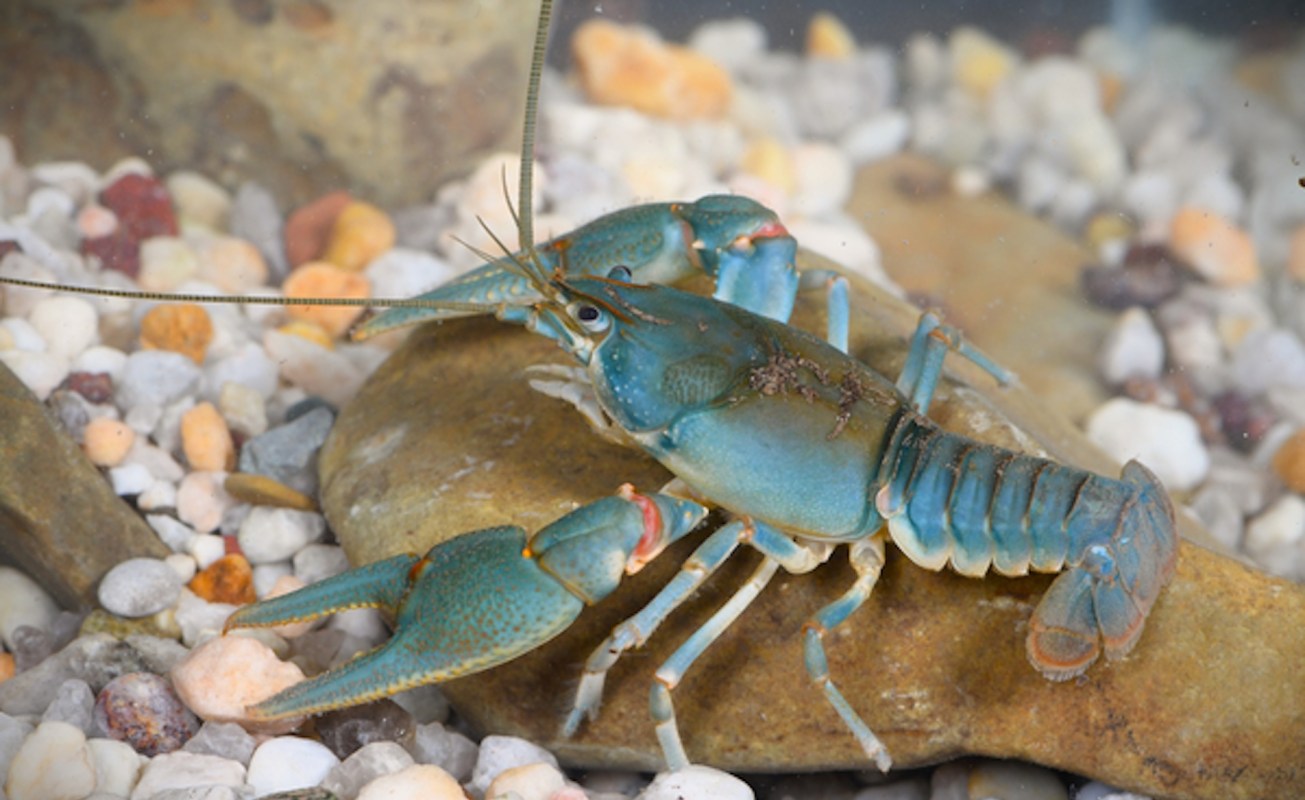
A federal judge has ruled that federal oversight of coal mining in Appalachia fell short of protecting crayfish found only in Appalachian streams, E&E News reported.
The decision could force stronger environmental reviews for future mining permits in parts of Kentucky, Virginia, and West Virginia.
On Friday, District Judge Sparkle Sooknanan of Washington, D.C., sided with the Center for Biological Diversity and Appalachian Voices in a case involving endangered species protections tied to coal mining, E&E News reported.
The lawsuit centered on a 2020 biological opinion from the U.S. Fish and Wildlife Service. It reviewed how the Office of Surface Mining Reclamation and Enforcement was carrying out the Surface Coal Mining and Reclamation Act.
Environmental groups argued that the review was too weak and let mining permits move forward without doing enough to safeguard endangered species.
The case focused in part on two crayfish species that live only in Appalachian streams.
TCD Picks » Quince Spotlight
💡These best-sellers from Quince deliver affordable, sustainable luxury for all




The groups argued that permitting decisions in West Virginia, Virginia, and Kentucky, states that largely handle their own mine permitting under federal approval, failed to adequately protect those animals and their habitat.
The judge agreed, ruling that the Fish and Wildlife Service's 2020 biological opinion "violated the Endangered Species Act."
As a result, future permits will likely face stricter scrutiny.
The Center for Biological Diversity and Appalachian Voices framed the ruling as a major win for endangered wildlife in coal country.
Environmental advocates are pushing for change like this all around the world. National Geographic recently recognized a Nigerian ecologist and a Mexican marine biologist for working hard to protect bats and sharks, respectively.
Community-led conservation is making a huge difference in many countries across Asia as well.
While work needs to happen beyond legislation, laws themselves can be an important step forward in creating a world where wildlife gets the protection it needs.

Get TCD's free newsletters for easy tips, smart advice, and a chance to earn $5,000 toward home upgrades. To see more stories like this one, change your Google preferences here.






