


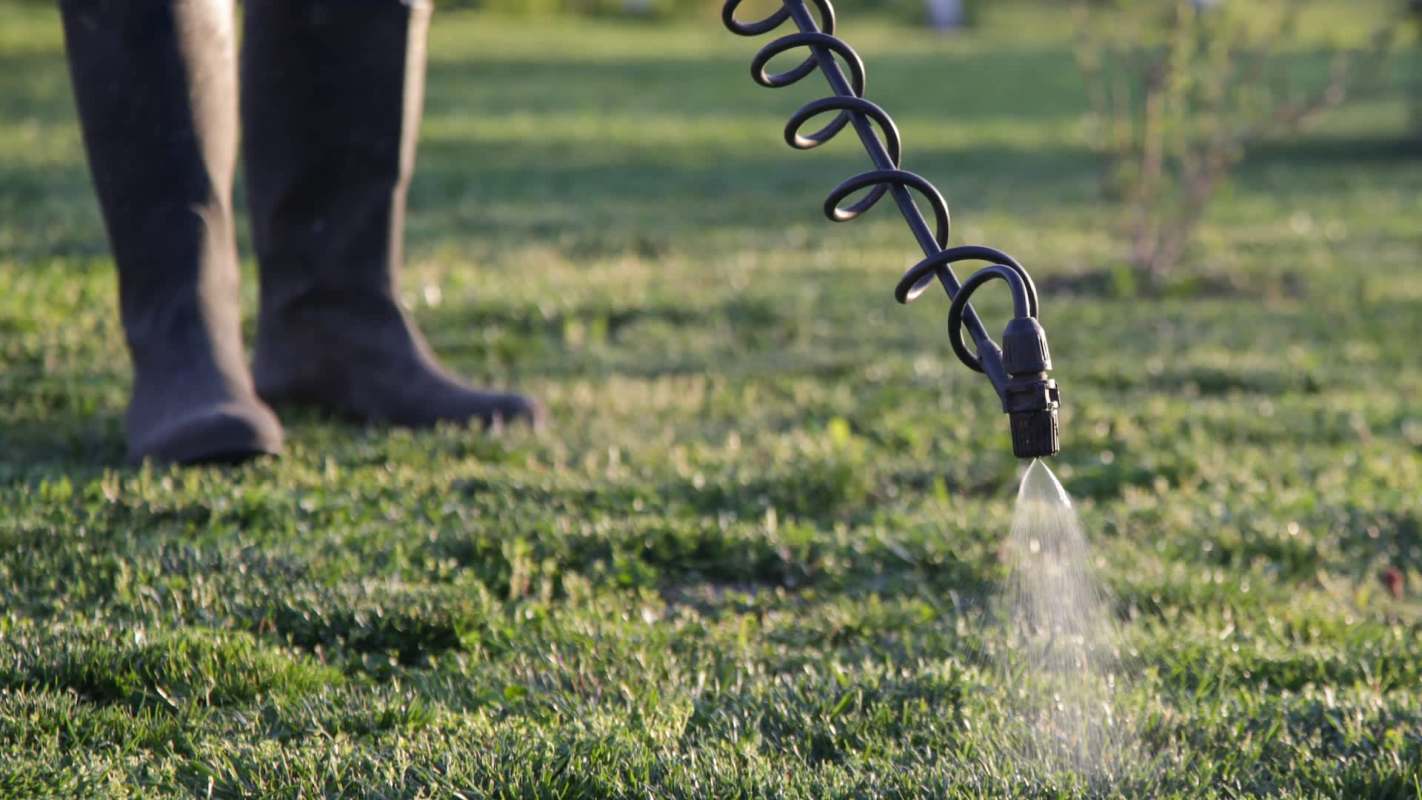
A new federal review has cleared the way for continued use of atrazine, one of the most widely used weed killers in U.S. agriculture, even as health advocates and environmental groups warn that the chemical threatens human health, wildlife, and waterways.
According to a report from The New York Times, the federal review released this week said the U.S. Fish and Wildlife Service determined that atrazine would not threaten endangered or threatened species with extinction.
That finding is a major win for powerful farm groups and for the pesticide's manufacturer, Syngenta, because it helps justify continued use of the herbicide across American farmland. Atrazine is especially common on corn, sorghum, and sugar cane. The Times noted farmers used about 72 million pounds of atrazine each year across around 75 million acres.
The announcement conflicts with findings released in 2021 by the Environmental Protection Agency that said atrazine was likely to harm more than 1,000 protected species. This time, the Fish and Wildlife Service said relatively minor mitigation steps — such as wider buffers around fields, runoff controls, and reduced application amounts — would be enough to limit harm.
Environmental advocates were outraged by the decision.
Nathan Donley of the Center for Biological Diversity, whose group helped trigger the review through litigation, argued that modest safeguards will not protect species already on the edge.
TCD Picks » Quince Spotlight
💡These best-sellers from Quince deliver affordable, sustainable luxury for all




"It's an absolute joke to think that these mitigations are going to prevent serious harm to species that are on the brink of extinction," Donley told The Times.
Backers of Robert F. Kennedy Jr. and the Make America Healthy Again movement have pushed for a ban on atrazine, saying the government should be moving faster to reduce toxic exposures in food and water.
Atrazine is drawing so much attention because its effects do not stop at the edge of a farm field.
Studies have tied atrazine exposure to birth defects, fertility problems, and several cancers. The World Health Organization's International Agency for Research on Cancer said in 2025 that atrazine was "probably carcinogenic to humans," The Times noted.
The chemical is also known to leach into groundwater and can drift from fields into streams, wetlands, and drinking water sources.
That creates particular concern for rural communities, farmworkers, and families living near heavily treated cropland, who may face repeated exposure over time.
For wildlife, the risks are serious as well. Atrazine interferes with photosynthesis in wild plants, making aquatic and wetland ecosystems especially vulnerable. There is also substantial evidence that it can disrupt hormones in amphibians such as frogs, which has made the pesticide a long-running flashpoint in debates over species protection.
Experts say that waiting for a full-blown collapse in animal populations before acting can miss the bigger warning signs. When wetlands, plants, and amphibians are harmed, the effects can ripple through entire food webs.
As a broader concern, policies that keep controversial chemicals in wide circulation can slow progress toward cleaner water, healthier farms, and safer communities.
They can also leave the public footing the bill later through medical costs, ecosystem damage, and expensive water treatment.
Other parts of the world have already taken a more cautious approach. The Times highlighted that the European Union stopped using atrazine in the early 2000s due to groundwater contamination concerns, and more than three dozen other countries have banned or restricted it.
The fight over atrazine is far from over.
The EPA has said it will continue evaluating whether additional protections are needed, and environmental groups are expected to keep pushing for stricter limits or a ban. Ongoing public pressure could also matter, as atrazine has now drawn scrutiny from environmental advocates, health activists, and people concerned about toxic exposures in everyday life.
There are also practical alternatives that can help reduce reliance on heavy pesticide use. Farmers can adopt approaches such as cover cropping, crop rotation, targeted spraying, and other integrated weed-management strategies that cut chemical use while protecting soil and water.
Those methods can also support more resilient farms over the long term.
Consumers and communities can help by supporting growers who use fewer harmful chemicals, speaking up for stronger drinking water protections, and backing policies that invest in safer agricultural practices rather than doubling down on risky ones.
Local watershed groups and environmental health organizations can also be important allies for residents who want better testing and transparency around pesticide contamination.
The bigger takeaway is that food production does not have to come at the expense of public health or wildlife. Other countries have already shown that tougher safeguards are possible, and advocates say the United States can still choose a future with cleaner water, healthier ecosystems, and farming methods that do not put vulnerable communities at greater risk.

Get TCD's free newsletters for easy tips, smart advice, and a chance to earn $5,000 toward home upgrades. To see more stories like this one, change your Google preferences here.






