


Two EV charging companies are joining forces in a deal that could reshape how commercial electric vehicles charge in major cities.
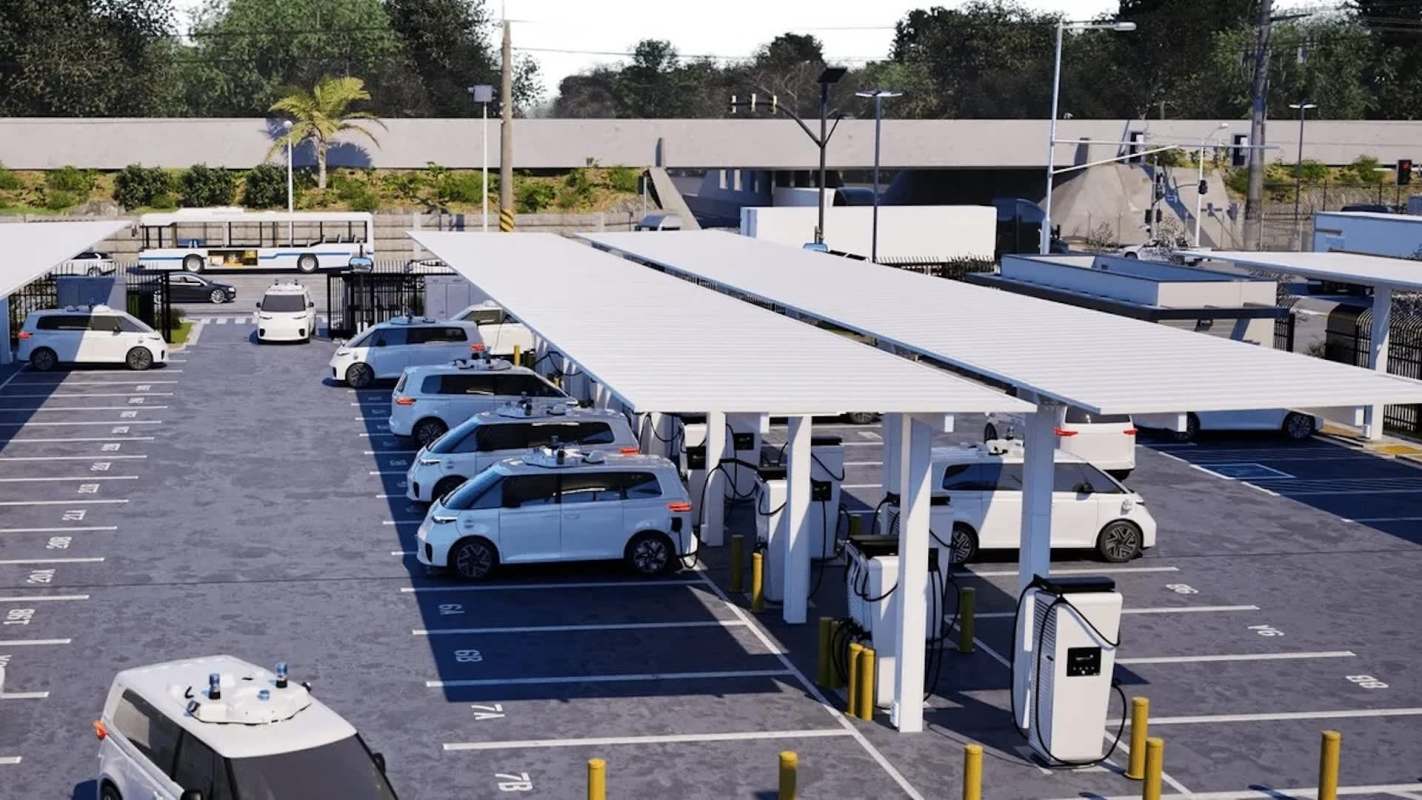
Voltera and Revel say their merger will create a major U.S. fast-charging platform geared toward fleets, ride-hail drivers, and robotaxis.
What's happening?
Once the transaction closes, the combined business will keep the Voltera name, and current Revel CEO Frank Reig will lead it, according to Electrek. Together, the company is expected to have more than 1,000 charging stalls either already in operation or under development across 11 major U.S. metro areas.
The strategy focuses on dense urban markets, where commercial EV fleets, robotaxis, and ride-hail operators need reliable fast charging.
The merger combines Revel's experience operating large public fast-charging hubs in New York City with Voltera's real estate development work and fleet-focused EV charging infrastructure. Current Voltera CEO Brett Hauser is expected to step down after the transaction closes and remain in a senior commercial advisory role during the transition.
The ownership structure will shift as well. Global investment firm EQT will take a majority stake in the merged company, while Global Infrastructure Partners, part of BlackRock and Revel's current lead sponsor, will keep a minority stake.
TCD Picks » Quince Spotlight
💡These best-sellers from Quince deliver affordable, sustainable luxury for all




Why does it matter?
Charging access remains one of the biggest barriers to commercial EV adoption, especially in crowded cities. While many personal EV owners can charge at home, professional drivers often cannot. Fast, reliable charging hubs can make electric driving far more practical for people who rely on their vehicles for work.
More charging infrastructure for ride-hail and delivery fleets can help speed the shift away from gas-powered vehicles that contribute to planet-warming pollution and poor air quality. In urban neighborhoods, that can mean cleaner air and quieter streets.
EVs often cost less to fuel and maintain than gas vehicles, but those savings are easier to capture when charging is convenient and dependable. Expanding charging networks for fleets could help businesses and drivers realize those lower operating costs more consistently.
As robotaxi services expand in some cities, charging built specifically for high-use commercial vehicles could become an important piece of transportation infrastructure rather than a niche convenience.
What's being done?
The new Voltera says it is building sites specifically for commercial operations. That means prioritizing urban locations where fleets and ride-hail drivers already work.
By combining Revel's operating experience with Voltera's project pipeline and customer relationships, the company says it plans to scale faster in key markets. The platform may also grow beyond charging.
According to the companies, future offerings could include battery storage, energy management, and integrated fleet services. Those additions could improve reliability, reduce strain on the grid, and make charging sites more efficient to run.
Homeowners can pair solar panels with efficient electric appliances to drive their utility costs even lower. Companies like Palmetto and EnergySage make it easy for you to get the right system for your home and budget, helping you save massively on energy bills.
Reig called the merger the "natural next step" after both companies had spent years building charging infrastructure for fleet operators in dense cities. EQT partner Erwin Thompson said urban transportation electrification is "one of the biggest infrastructure buildouts this decade."

Get TCD's free newsletters for easy tips, smart advice, and a chance to earn $5,000 toward home upgrades. To see more stories like this one, change your Google preferences here.






