


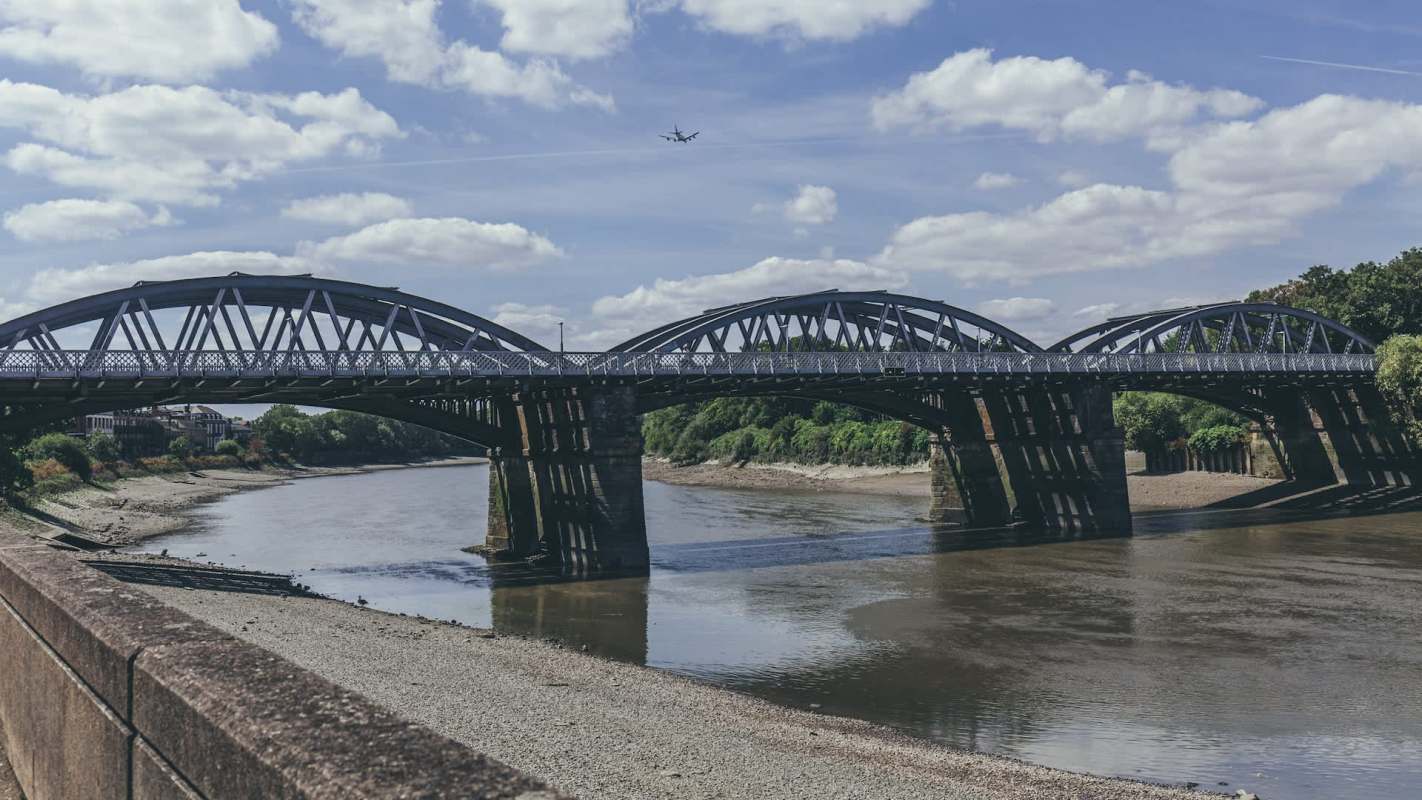
Europe's shrinking rivers are turning what should be relaxing vacations into logistical scrambles.
What's happening?
Across Europe, shrinking river depths amid drought conditions are interrupting cruise schedules. As Skift reported, a Viking ship has already run aground, and more travelers could still end up facing cancellations and unexpected hotel stays.
Fox News noted that record-low water levels have created "chaos," with passengers scrambling to alter their itineraries amid ongoing disruptions. Even when river cruises weren't entirely canceled, some tourists had to disembark and board buses for transfer to farther downriver.
"Just got back home on Sunday. The 'castle' part of the Rhine was too shallow to traverse," one traveler reportedly wrote on Reddit. "Our line did their best to overcome things [outside] their control, but it was disappointing, to say the least."
Why does it matter?
Even when operators keep the trip going, what passengers experience may look very different from the vacation they thought they were purchasing. River cruises are especially vulnerable because, unlike ocean liners, they cannot easily avoid shallow stretches.
The situation also highlights how worsening extreme weather disasters can cause disruptions beyond a single industry. Low rivers can disrupt not only tourism but also cargo shipping and local commerce, while severe drought can reduce access to water, raise food and energy costs, damage ecosystems, and strain local economies that depend on tourism and transport.
TCD Picks » Quince Spotlight
💡These best-sellers from Quince deliver affordable, sustainable luxury for all




According to the European Drought Observatory, the continent experienced "above-average temperatures with an extensive and prolonged heatwave in the first half of July," with warning drought conditions worsening in France, the Balkans, the United Kingdom, and Central Europe.
What's being done?
Booking terms can shape the financial risk of weather-sensitive travel. Checking cancellation policies, understanding what a cruise line promises in the event of low water, and comparing travel insurance coverage for interruptions can help limit financial risk.
Greater flexibility in travel plans, including extra time before return flights, can make costly disruptions easier to manage when conditions suddenly change.

Get TCD's free newsletters for easy tips, smart advice, and a chance to earn $5,000 toward home upgrades. To see more stories like this one, change your Google preferences here.






