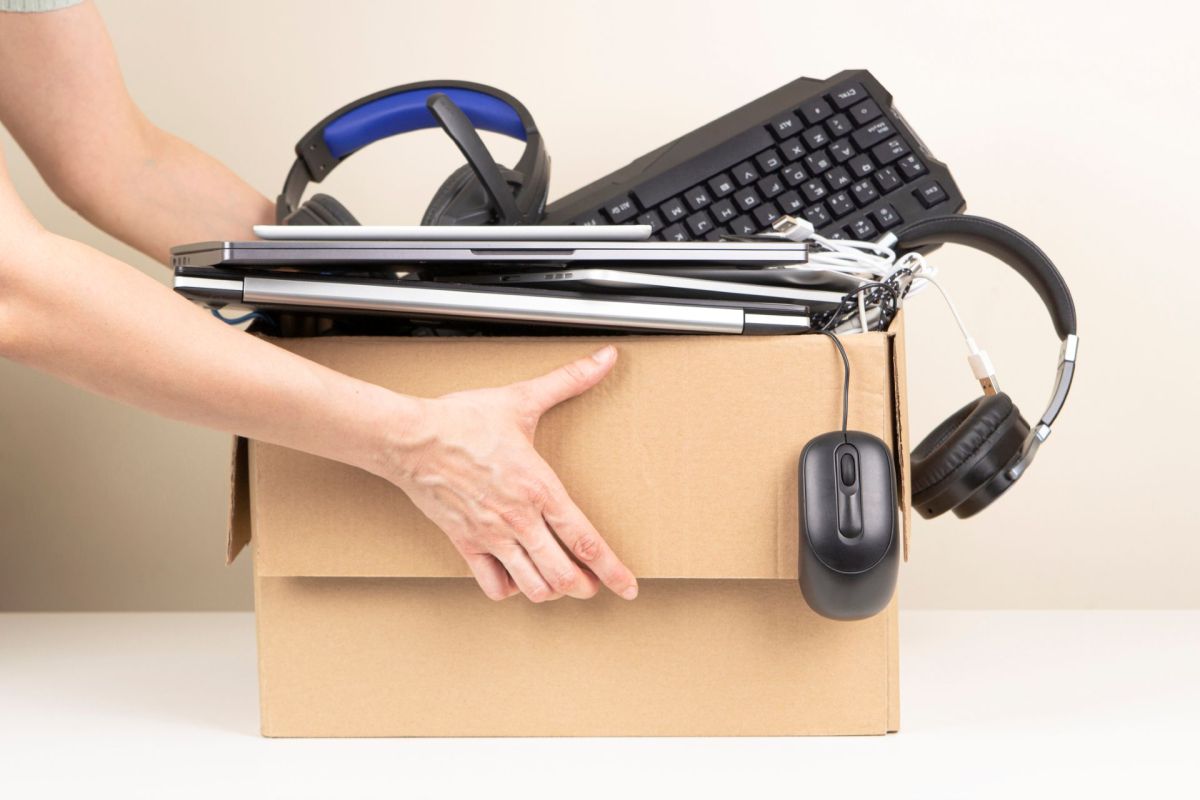
The EU plans to use its upcoming Circular Economy Act to deepen the market for recycled materials, yet one expert says electronics won't become cleaner or more resilient simply by collecting larger volumes of waste.
Here's what to know
In an analysis for edie, Dr. Diana Radovan, director of sustainability policy at the Global Electronics Association, said electronics need a wider policy approach than waste collection alone.
When the European Commission adopts the Circular Economy Act in 2026, its aim is to reinforce an EU-wide market for secondary raw materials, increase the amount of higher-quality recycled material in circulation, and build demand for it.
Her point is that higher collection rates achieve little without the market conditions to support the circular use of materials; as she wrote, without dependable demand, trusted quality, and rules that work across borders, "more collection" doesn't automatically translate into "more circularity."
Electronics pose a different challenge from bulk materials because much of their value is locked inside components and sub-assemblies, where tracing, recovering, and putting them back into use are far harder.
She also identified several barriers to progress: inconsistent data, weak economic incentives, products not built for repair or disassembly, fragmented supply chains, and limited understanding of circular-economy principles across the sector.
TCD Picks » Quince Spotlight
💡These best-sellers from Quince deliver affordable, sustainable luxury for all




More background
Discussions of "circular electronics" often stop at e-waste recycling, but Radovan said that view is too limited and can obscure the largest areas of potential progress.
A more complete circular model can include redesigning products, cutting material use, reusing parts, repairing devices, refurbishing equipment, remanufacturing systems, and repurposing components before recycling becomes necessary.
Recycling remains important, but its main function is usually to recover raw materials rather than retain the higher value already contained in products and parts that are still in circulation.
Europe's ambitions around digital systems, security, and clean energy all rely on advanced electronics used in hospitals, transport networks, telecom systems, servers, automation equipment, and renewable energy technologies.
If policy is aimed mostly at managing waste at the end of a product's life, it may leave those supply chains exposed and prolong dependence on newly extracted raw materials.
Radovan also said that redesigning complex electronics can take 7 to 15 years, or more, particularly when recertification is required. Under those conditions, unclear or shifting rules can discourage the long-term investment that circular systems need.
What's being done?
The strongest opportunity lies in the Circular Economy Act itself. Radovan said the most effective version would align rules across EU countries, provide clearer investment signals, and create incentives that enable circular business models to work at scale.
Industry groups are also calling for continued involvement from a wider mix of participants, including original equipment manufacturers as well as companies focused on collection, recycling, and recovery.
That coordination could help tackle one of electronics' central challenges: supply chains are so fragmented that putting circularity into practice is difficult.
Pressure is also increasing internationally. China already has a five-year circular economy plan, and India is considering establishing a body to develop and implement a national strategy.
Europe risks harming both its competitiveness and its environmental goals if it falls behind on circular electronics.
A better-designed policy could ultimately support longer-lasting products, stronger repair systems, more resilient supply chains, and reduced reliance on scarce raw materials.
As Radovan put it: "The bigger question is not whether circularity is desirable. It is how we make it implementable at an industrial level."

Get TCD's free newsletters for easy tips, smart advice, and a chance to earn $5,000 toward home upgrades. To see more stories like this one, change your Google preferences here.