


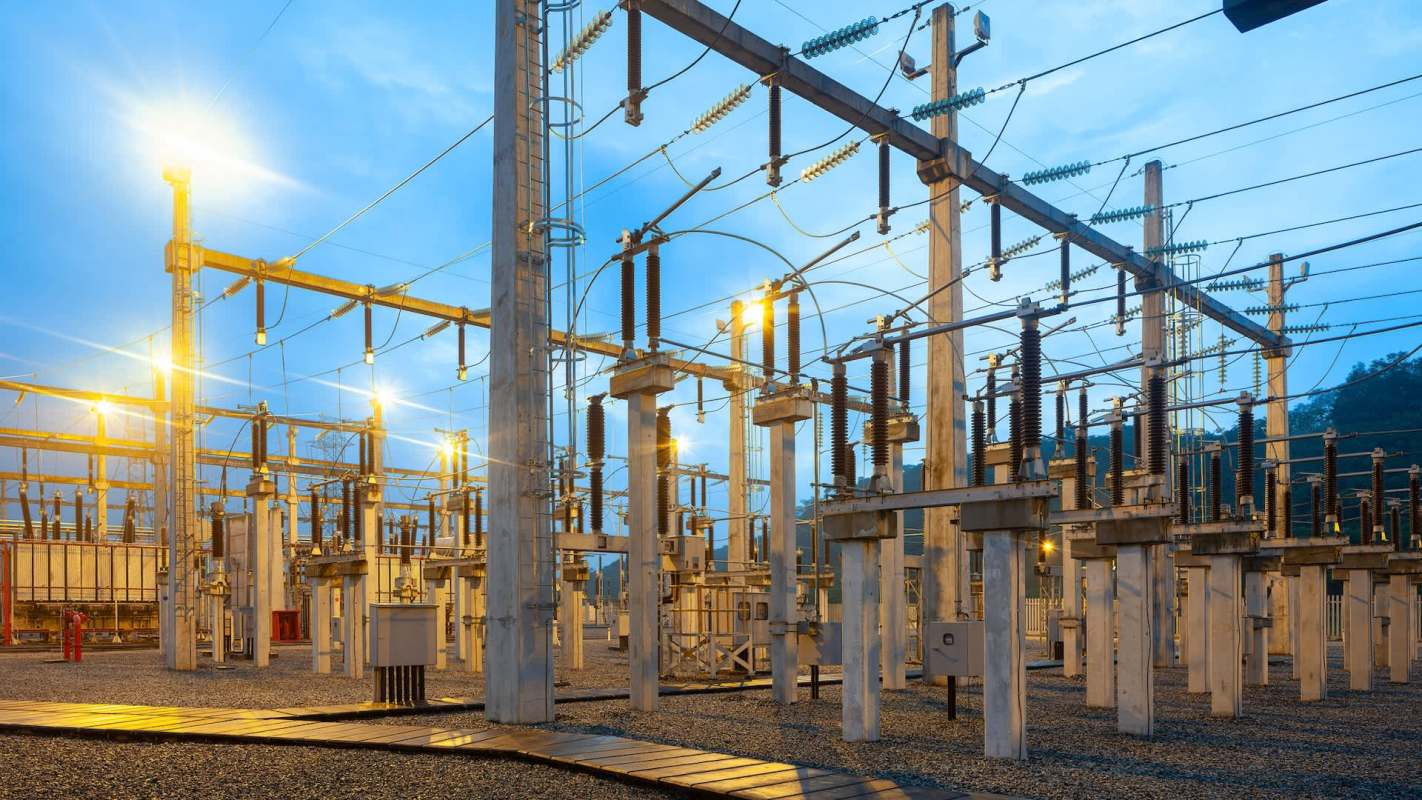
With a dangerous heat dome sending temperatures to punishing levels across much of the United States, federal officials have moved to keep power flowing.
The U.S. Department of Energy has put 17 states under a temporary power order intended to lower the risk of rolling blackouts as electricity demand surges, as WUSA9 detailed.
What's happening?
Under the order, Southwest Power Pool, Inc., the grid operator for much of the central U.S., can call on backup generation to relieve stress on the system, the DOE said in a press release. The emergency measure was issued Sunday and remains in effect through Aug. 3.
The order applies to a region stretching from North Dakota to Louisiana and affecting about 20 million people. The states covered by the order are Arizona, Arkansas, Colorado, Iowa, Kansas, Louisiana, Minnesota, Missouri, Montana, Nebraska, New Mexico, North Dakota, Oklahoma, South Dakota, Texas, Utah, and Wyoming.
Officials say this step falls just below a Level 3 Energy Emergency Alert, a more serious designation that can lead to rolling blackouts. Energy Secretary Chris Wright said in the release that the order is meant to "maintain affordable, reliable, and secure power."
The action comes amid widespread dangerous weather, WUSA9 noted. At least 40 million people were under extreme heat warnings, heat indexes topped 100 degrees Fahrenheit from Minnesota to Mississippi, and temperatures in parts of the Southwest neared 120 degrees.
TCD Picks » Quince Spotlight
💡These best-sellers from Quince deliver affordable, sustainable luxury for all




Why does it matter?
Extreme heat does more than make people uncomfortable. It can push energy systems to their limits at the very moment families need air conditioning most. When electricity demand rises across multiple states at once, the threat of outages grows, particularly during prolonged heat waves.
Officials have called heat "the silent killer," and blackouts during extreme temperatures can leave older adults, children, and medically vulnerable residents without cooling when they need it most.
Across the U.S. economy, blackouts cause about $44 billion in losses each year, DOE data revealed.
What's being done?
Federal officials are trying to buy time and flexibility for grid operators. By authorizing Southwest Power Pool to direct backup generation, the Department of Energy is trying to head off more disruptive emergency measures if electricity demand keeps climbing.
The order is not aimed at homeowners. Still, experts recommend practical steps during heat waves, including setting thermostats slightly higher to reduce household energy use.
Episodes like this highlight the need for stronger, more resilient energy systems that can handle increasingly intense weather without putting millions of people at risk.
Former DEO official Kerry Duggan told WUSA9 that the combination of solar power and batteries could hold the keys to addressing the issue.
"The hotter it gets, the more solar power you get to keep your air conditioning running," Duggan explained to the outlet. "The solution is in the problem."

Get TCD's free newsletters for easy tips, smart advice, and a chance to earn $5,000 toward home upgrades. To see more stories like this one, change your Google preferences here.






