


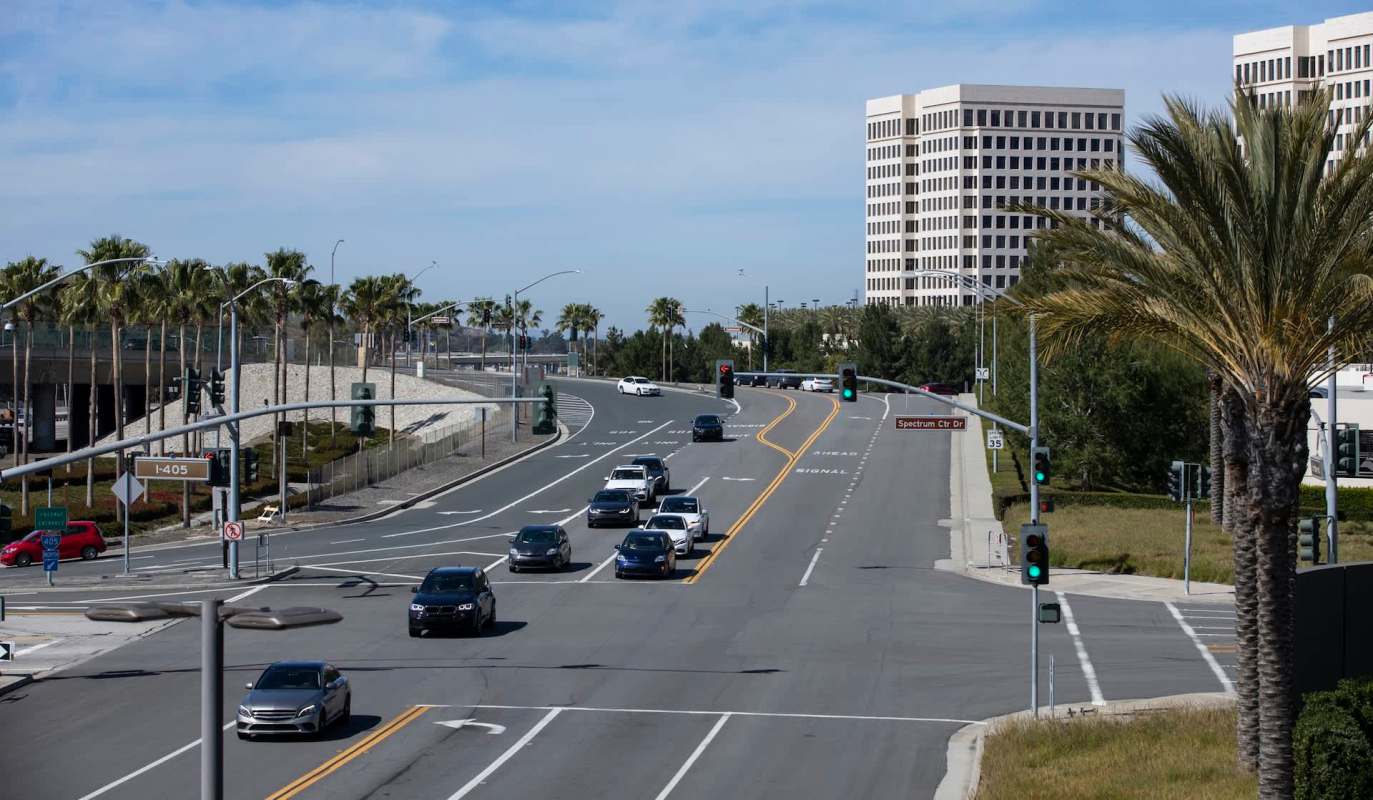
A proposed data center in El Segundo, California, unraveled during a public hearing last week, when strong resident opposition led the developer to withdraw the plan before the Planning Commission could vote.
As The Mercury News reported, residents objected to the project's anticipated electricity use, pollution, and noise, while also arguing that a large industrial facility did not belong so close to homes, schools, and youth sports fields.
What happened?
Eight Form, a real estate development company, sought to replace the Hyatt Place hotel at 750 N. Nash St. with a five-story data center totaling nearly 240,000 square feet. The proposal also included a 169-foot-tall building and a high-voltage electrical substation, per The Mercury News.
The plan reached the El Segundo Planning Commission for an initial reading, but the meeting was quickly dominated by public criticism. Nearly 60 people signed up to speak, and after most had already commented, Eight Form founder Arjun Shokeen announced from the audience that he was withdrawing the application.
"I've heard the community loud and clear," Shokeen said, according to the paper. "They've made their voice very present, and my intention isn't to put anybody through any mental or physical harm."
Because the project fell under the broader Corporate Campus Specific Plan, residents questioned whether relying on an older environmental review was adequate for a facility slated to operate around the clock with 16 diesel-run generators on standby, according to The Mercury News.
TCD Picks » Quince Spotlight
💡These best-sellers from Quince deliver affordable, sustainable luxury for all




Why does it matter?
The dispute reflects growing frustration in many communities as energy-intensive tech infrastructure expands faster than public oversight. Data centers help power the modern internet economy, but they can also place major strain on local power grids, raise air pollution concerns, and reshape neighborhoods in ways residents never approved.
The Mercury News reported fears about electricity demand during extreme heat added to local opposition, as did the site's proximity to the Wiseburn School District and nearby youth athletic fields.
Resident Alex Perez summed up another major concern.
"The corporate campus project proposed (almost) 25 years ago is effectively antiquated and lacks any relevance to the proposed data center today," he said, according to the paper.
Communities are often expected to absorb the burdens of major developments while being told that the key decisions have already been made. When that happens, public input can feel less like a meaningful requirement and more like an afterthought.
What's being done?
By staying engaged throughout the hearing, residents prevented the proposal from moving further through the approval process.
The outcome also puts added pressure on developers and city officials to take community concerns seriously from the outset, especially for projects involving heavy electricity use and diesel backup infrastructure.
The Mercury News noted that many residents at the meeting weren't overly confident in the building's plans for water, electricity, and noise. Similar to other successful local efforts, the saga shows that communities can make an impact.
"When residents show up, stay informed, and participate, they can meaningfully influence the direction of their local government," activist group Sea Change wrote in a statement shared with the paper.

Get TCD's free newsletters for easy tips, smart advice, and a chance to earn $5,000 toward home upgrades. To see more stories like this one, change your Google preferences here.






