


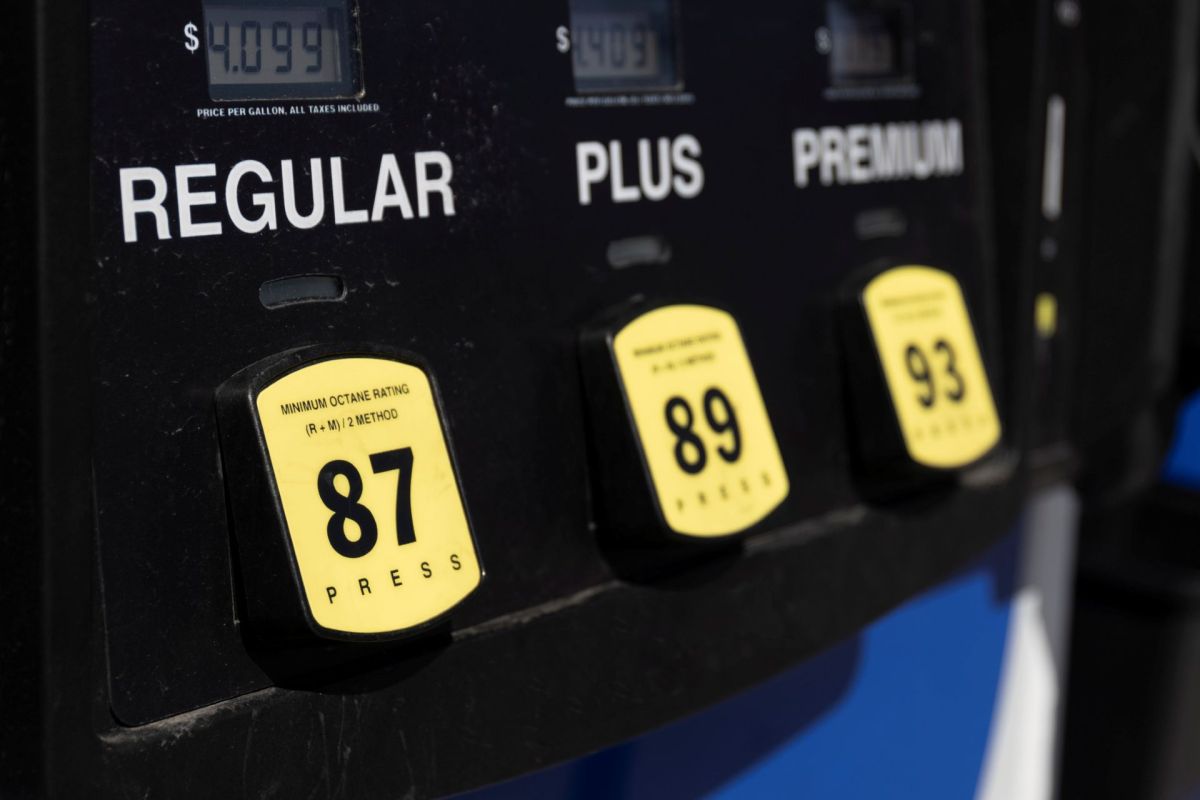
As the spread between premium and regular hits a record level, many U.S. motorists are cutting costs by choosing the cheaper fuel. Bloomberg reports that the switch is increasingly visible even among people driving luxury and performance vehicles.
What's happening?
For drivers trying to lower fill-up costs, the widening gap between fuel grades is already reshaping buying habits, the outlet said. On July 3, AAA said national averages were $3.81 a gallon for regular and $4.70 for premium, a difference of about 90 cents — the largest on record.
Data from Upside cited by Bloomberg showed that, from June 22 to June 25, regular gasoline sales ran about 10% above the February average, while premium was nearly 5% lower and mid-grade was down roughly 2%.
Patrick De Haan, head of petroleum analysis at GasBuddy, told the outlet that the run-up in prices during the Iran conflict sped up the move to cheaper gas and that this is a familiar response when fuel gets more expensive.
"We almost always see premium cannibalized to regular," he relayed to Bloomberg.
The squeeze is affecting drivers whose cars only recommend premium as well. Los Angeles commuter Carlo Santos explained to Bloomberg that he briefly mixed regular and premium in his 2024 Ford Mustang before eventually trading the car back in for a Tesla.
TCD Picks » Quince Spotlight
💡These best-sellers from Quince deliver affordable, sustainable luxury for all




"At almost $1,000 a month, I couldn't reasonably afford to keep that Mustang as a daily commuter," Santos said to the publication.
Why does it matter?
Gas remains a major household expense, and a widening price gap can quickly strain monthly budgets, especially for commuters and drivers in high-cost states such as California.
Thomas Weinandy, principal research economist at Upside, said consumers remain hesitant to pay more for premium in comments to Bloomberg.
There is also a practical drawback, as the outlet detailed. Porsche and BMW caution drivers against using a lower-octane fuel than their vehicles require. While some cars only recommend premium, others depend on it for proper performance, fuel efficiency, and engine protection, Bloomberg noted.
That means drivers trying to save money now could end up sacrificing horsepower, losing mileage, or even risking mechanical damage if they choose the wrong fuel grade.
What's being done?
Experts say motorists should first determine whether their vehicle requires premium or simply recommends it, or if it even advises not using anything higher than regular at all — many vehicles outright say that anything higher than 87 will offer no benefit. If premium is recommended but not required, switching to regular may offer a short-term way to reduce costs, though drivers could notice lower performance or efficiency.
Drivers can also cut fuel spending by comparing prices at local stations, using cash-back or rewards apps, combining errands, and avoiding unnecessary trips. For some commuters, the recent spike is also prompting larger questions about what kind of vehicle makes the most financial sense.
The market may remain tight. De Haan suggested to Bloomberg that automakers have increasingly sold vehicles that need or suggest premium, while refinery production of higher-octane fuel has not kept pace.
He expects the premium-regular gap could reach roughly $1 per gallon by the end of the year, even if crude prices remain lower overall, according to the outlet.
That is despite moves by the Trump administration attempting to force gas prices down.

Get TCD's free newsletters for easy tips, smart advice, and a chance to earn $5,000 toward home upgrades. To see more stories like this one, change your Google preferences here.






