


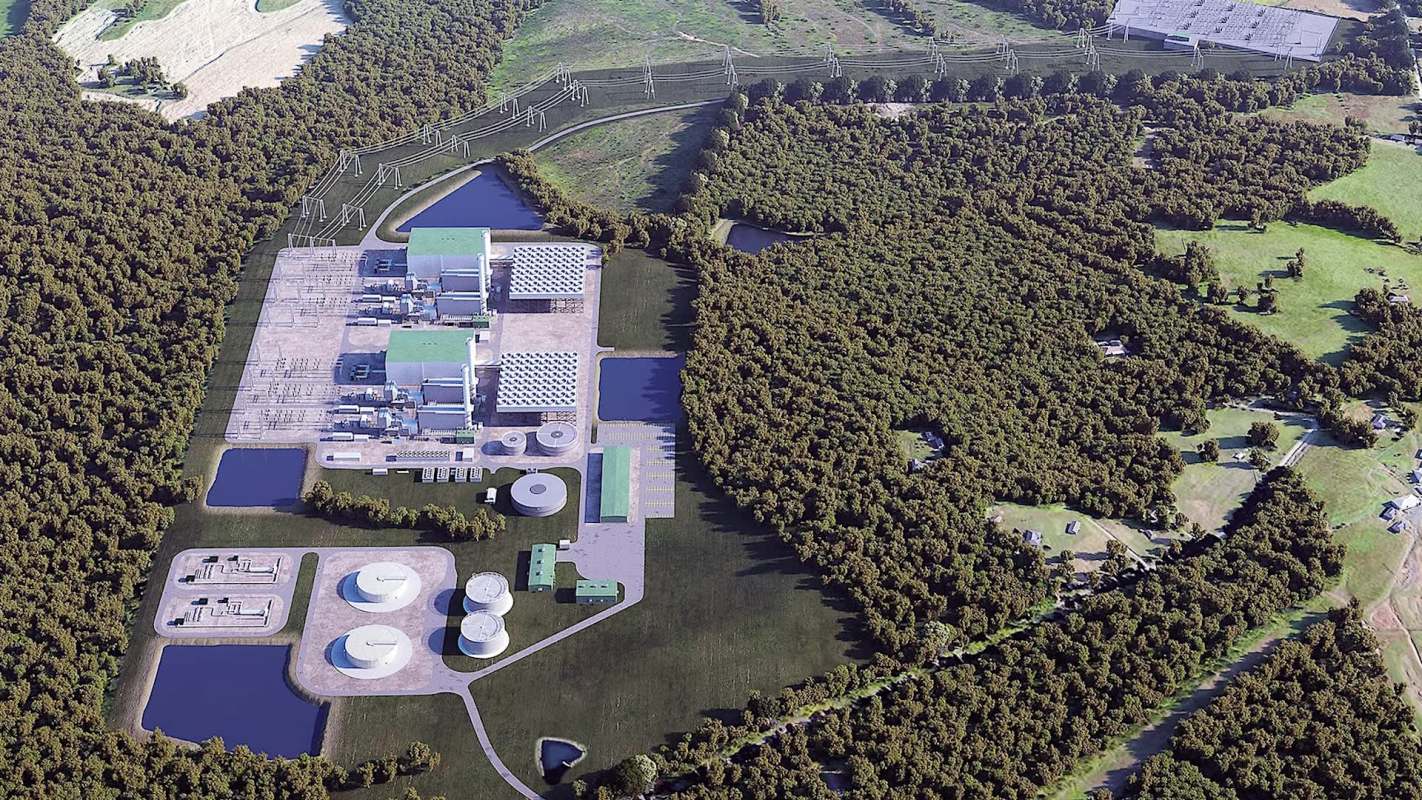
Dominion Energy's plan for a 3-gigawatt natural gas facility cleared a hurdle in Virginia. If state regulators approve it, customers could cover the project's cost through their electric bills.
The recommendation was not an approval, but it marked a significant step in a debate over how utilities should meet rising electricity demand as the economy shifts toward cleaner, lower-risk energy investments.
Here's what to know
In a 5-1 vote Monday, the Cumberland County Planning Commission backed Dominion Energy's proposal for the Cumberland Energy Center, a combined natural gas plant.
Dominion spokesperson Jeremy Slayton told WRIC that the utility expects the plant to begin operating in 2033 or 2034.
Because Dominion is a regulated utility, spending on new generation assets is generally placed in the company's rate base. For households, that means a project can be paid off through monthly electricity bills.
Before the plan can move ahead, Dominion needs approval from the State Corporation Commission as well as an air permit from the Virginia Department of Environmental Quality.
TCD Picks » Quince Spotlight
💡These best-sellers from Quince deliver affordable, sustainable luxury for all




More background
The proposal comes as utilities, regulators, and investors weigh how to meet growing power demand without locking customers into fossil fuel costs.
Supporters of large power projects often point to reliability, economic activity, and construction-related jobs. New infrastructure can support business growth and broader economic resilience if it keeps electricity available as demand rises.
However, long-lived fossil fuel investments can become liabilities. As the world moves away from dirty energy sources and toward a cleaner economy, antiquated gas infrastructure may be more expensive relative to alternatives such as solar and wind plus storage, which do not rely on ongoing fuel purchases.
A central question is whether a major gas plant will provide lasting value or if it will leave households to pay for something that underperforms cleaner energy options.
What's being done?
State officials must still review whether the project is justified and whether its environmental impacts meet permitting standards before it can move forward.
The review process gives the public and consumer advocates a chance to examine whether the plant is the best deal for customers, especially if the costs are passed along through monthly bills.
Utilities and regulators have other tools available to meet demand, including energy efficiency programs, battery storage, transmission upgrades, and renewable power. Those approaches can also support jobs and economic growth while reducing exposure to fuel-price volatility and the financial risks tied to fossil fuel assets.
"Electricity demand is growing faster than at any time since right after World War II. It requires investment in new infrastructure to meet this demand," Slayton said, per WRIC.
Where can I learn more?
When it comes to the energy sector, the debate is whether utilities should keep sinking money into fossil fuel infrastructure or move faster on cleaner options with less long-term risk. These articles show how policy changes and corporate decisions can reshape the economics of power plants and what customers end up paying.
• The Utilities for Net Zero Alliance is investing over $100 billion annually in cleaner grids.
• Across energy markets, investors see fossil fuels taking center stage again despite transition risks.
• In developing countries, financiers see a solid business case for replacing coal with solar.
Energy economics can shift fast once regulators, investors, and utilities commit to a path. In Virginia, customers could still be paying for decisions made now well into the 2030s.

Get TCD's free newsletters for easy tips, smart advice, and a chance to earn $5,000 toward home upgrades. To see more stories like this one, change your Google preferences here.






