


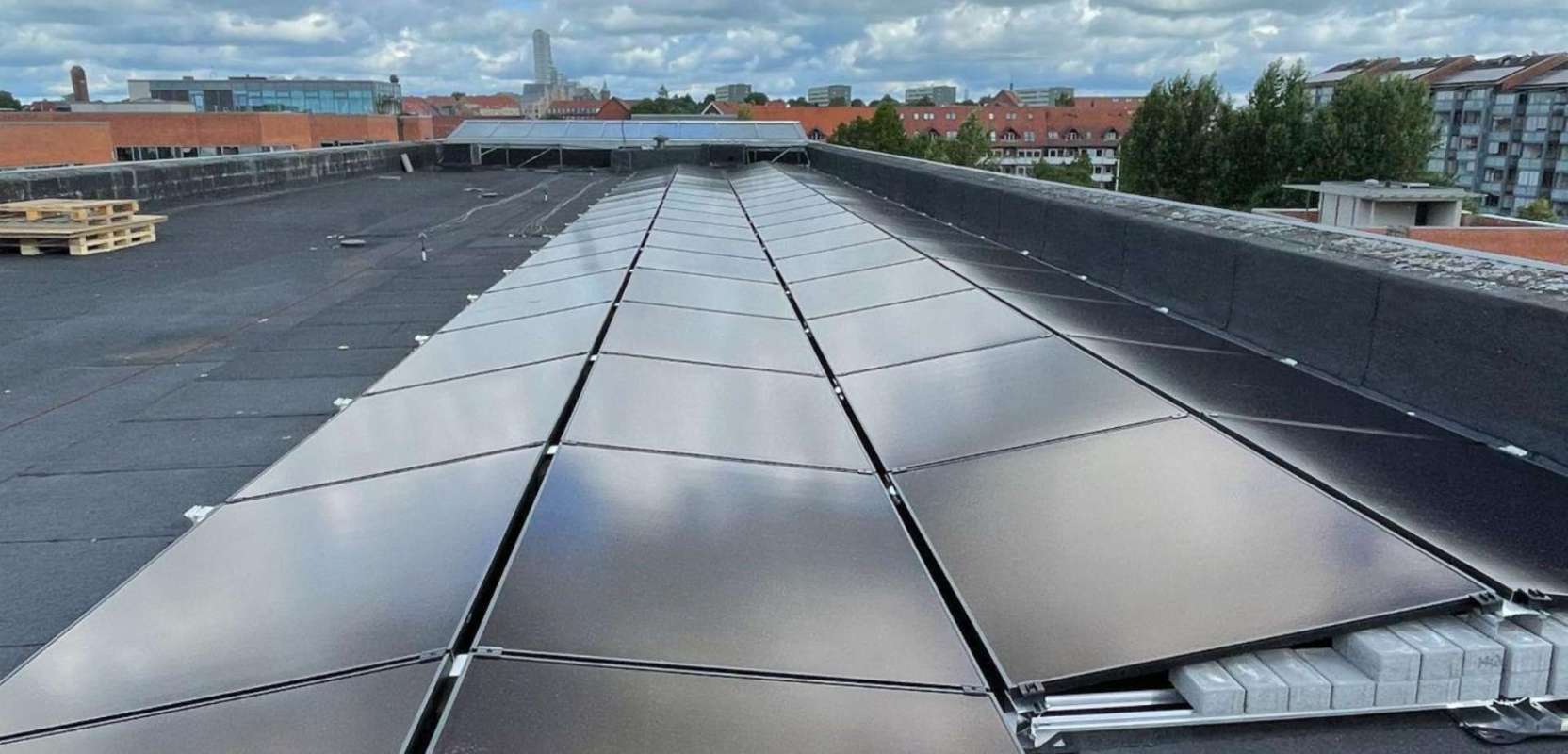
Owning rooftop solar often requires the right house, the right roof, and enough money upfront. But a solar cooperative in Denmark is testing a more flexible model, allowing members to buy into panels installed on university buildings instead.
The arrangement offers a glimpse of how more people could benefit from clean energy, even if they cannot or do not want to install a full system at home.
Here's what to know
According to a Reddit post, Universitetets Energifællesskab, or the University Energy Cooperative, in Aarhus, Denmark, lets members purchase shares in a solar project spread across two Aarhus University buildings. Members collectively finance and own the panels, and the university buys most of the electricity they produce.
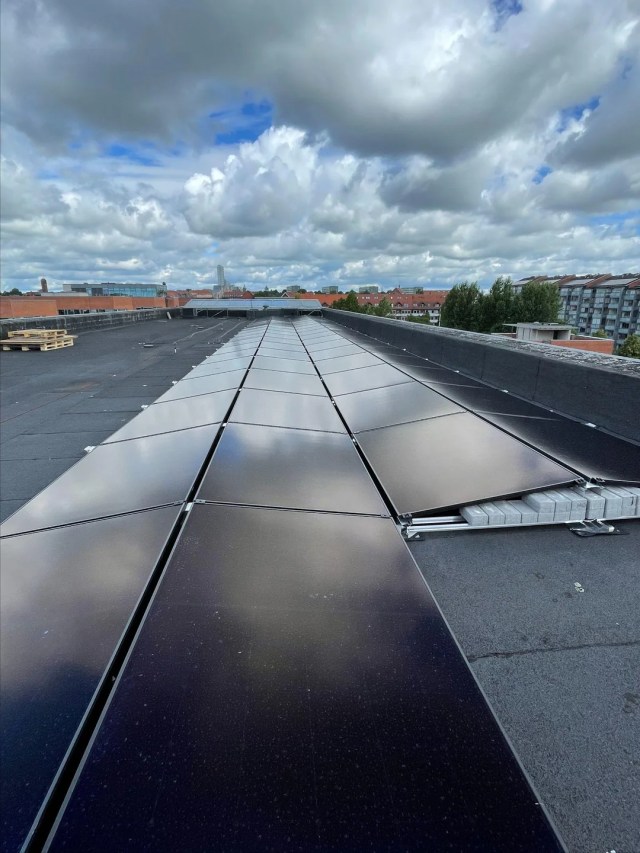
Because the installation is jointly owned, members may receive yearly financial returns based on both electricity sales and the number of shares they hold.
UEF was formally launched in August 2023 and registered with the Danish Business Authority in September 2023, the post said. It began as part of AURORA, a European Union initiative working to turn energy communities into real-world projects at five universities and nearby district councils across Europe.
Beyond the investment itself, members can take part in community activities, including energy discussions and workshops on homemade sensors.
Going solar also stands out as one of the top strategies for lowering residential utility costs. If you are exploring solar options for your home, you can visit EnergySage to receive free installation estimates and compare competitive quotes.
More background
A cooperative can give people a path into solar ownership even if they are renters, live in multifamily housing, or have a roof that is shaded, too small, or otherwise not well suited for panels.
Save $10,000 on solar panels without even sharing your phone number Want to go solar but not sure who to trust? EnergySage has your back with free and transparent quotes from fully vetted providers that can help you save as much as $10k on installation. To get started, just answer a few questions about your home — no phone number required. Within a day or two, EnergySage will email you the best local options for your needs, and their expert advisers can help you compare quotes and pick a winner. |

This shared-ownership model can also spread risk and lower the barrier to entry compared with paying for a full private system alone. In return, participants may see both environmental benefits and a financial return tied to energy production.
One commenter wrote, "This is the future."
Another added, "Very cool! We have similar cooperatives in Austria!"
One commenter argued that in many places, outdated energy laws remain a major obstacle, writing, "These initiatives will always be of an ideological nature until laws change."
More From EnergySage
💡Go deep on the latest news and trends shaping the residential solar landscape

What can be done?
For homeowners who can install panels, EnergySage offers free tools. That can make it easier to compare your options and move forward only when the numbers make sense.
Those free services can also translate into major savings. With EnergySage's help, the average person can save up to $10,000 on solar purchases and installations. Readers can also use EnergySage's solar map to see the average cost of a home solar panel system on a state-by-state level, along with details on solar panel incentives in each state. Together, those resources can help people get the best price for rooftop solar panels and access available incentives.
Adding battery storage to a solar setup is also one of the best ways to protect your home during outages, save money on energy, and go off grid. You can explore EnergySage for information about home battery storage options, including competitive installation estimates.
The original poster described the Danish project as "such an awesome initiative."
Where can I learn more?
Across the globe, shared solar models, community ownership initiatives, and creative funding structures are helping lower energy bills. Communities, local governments, businesses, and residents are finding viable solutions to make solar power reachable, even for those unable to install individual rooftop systems.
• In North Lincolnshire, a free solar panel scheme is already helping ease local energy bills.
• In Cape Town, officials will buy as much solar power as households can sell.
• EnergySage shows homeowners how solar installation costs shift with equipment choices and labor.
• Across the U.S., businesses are using a little-known government program to save over $100,000.
Solar access can extend well beyond single-family rooftops. For anyone interested in cleaner energy without committing to a full solo installation, that flexibility could make a real difference.

Get TCD's free newsletters for easy tips, smart advice, and a chance to earn $5,000 toward home upgrades. To see more stories like this one, change your Google preferences here.






