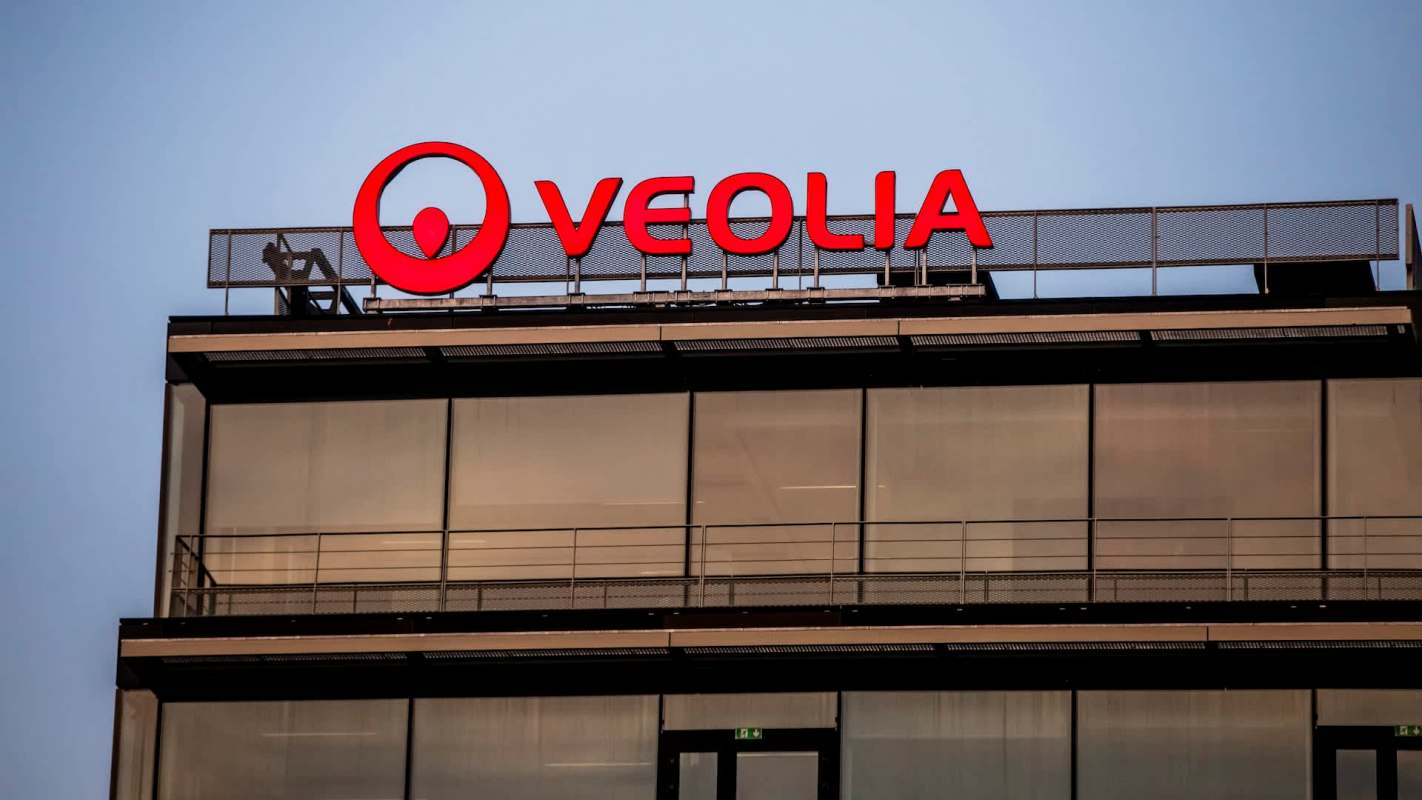
After spending tens of millions of dollars to respond to PFAS found in drinking water sources used by about 40,000 customers, a Delaware water supplier is suing nine companies.
Here's what to know
As reported by local radio station WDEL, Veolia Water Delaware filed a lawsuit in Delaware Superior Court earlier this month, accusing nine companies of contaminating the water supplies it relies on with per- and polyfluoroalkyl substances, or PFAS.
The utility says it wants to recover the costs of treating water supplies for these toxic substances, which are commonly known as "forever chemicals" because they can remain in habitats and human bodies for long periods. The persistence can make contamination especially difficult — and expensive — to mitigate.
Veolia began running a PFAS treatment project at its Stanton site back in March 2025, according to WDEL. The project was designed to remove PFAS from up to 30 million gallons of water each day.
Local news reported that Veolia places the Stanton facility's construction cost at at least $34.6 million, with annual operating expenses of at least $3.5 million. The company argues those costs should be paid by the alleged polluters, not passed on to customers.
More background
If dangerous chemicals enter waterways and utilities are forced to install treatment systems, the costs can ultimately put pressure on water rates or public budgets. Even after a treatment system is installed, yearly operating expenses can pose an ongoing financial burden.
TCD Picks » Quince Spotlight
💡These best-sellers from Quince deliver affordable, sustainable luxury for all




But it is often critical to make these investments anyhow. Not only can PFAS persist in the environment for years and years, but exposure to certain levels of the synthetic chemicals has also been linked to serious health concerns, including reproductive health issues, developmental delays, and cancer.
What's being done?
The plaintiff's aims for the case include shifting the cost of PFAS treatment from utilities and customers to the companies Veolia says caused the contamination.
Cases like this can increase pressure on companies to manage chemicals more responsibly and account for the downstream and long-term costs of contamination. Once PFAS reach drinking water sources, communities may be dealing with the effects for years.

Get TCD's free newsletters for easy tips, smart advice, and a chance to earn $5,000 toward home upgrades. To see more stories like this one, change your Google preferences here.