


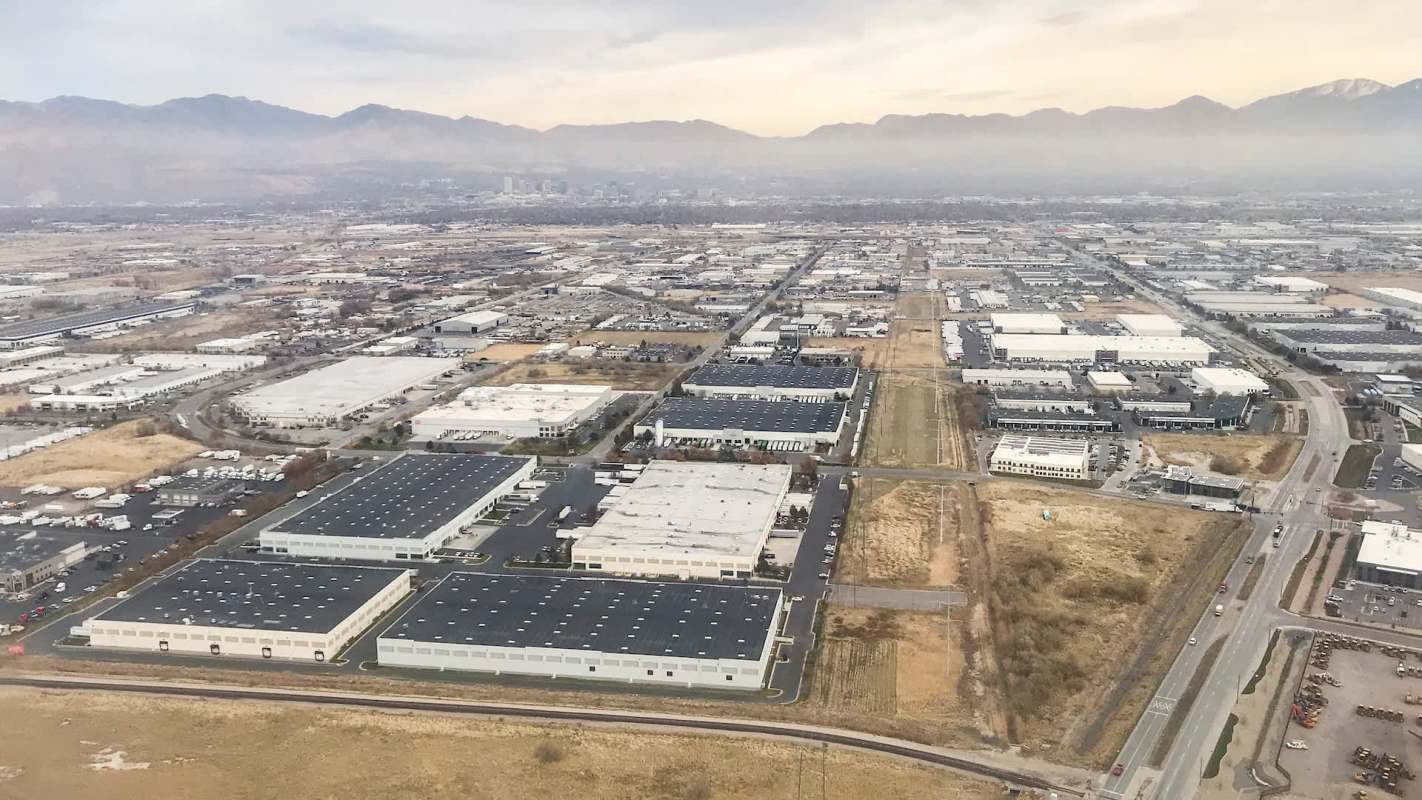
As the race to build massive data centers accelerates, Utah lawmakers are taking a closer look at what that infrastructure could mean for the state's land, water, and wildlife.
A legislative panel added a study of data centers' effects to its agenda amid concern about a major project proposed in Box Elder County, local news station KSL reported.
What's happening?
The Utah Natural Resources, Agriculture, and Environment Interim Committee put data centers on its summer study agenda, alongside topics including water, emergency preparedness, and rare earth development. Any resulting proposals would be aimed at the 2027 general legislative session.
The move comes as attention intensifies around a proposed Box Elder County development known as the Stratos Project Area, which could be spread across 40,000 acres, according to KSL, and eventually reach 7.5 to 9 gigawatts of power capacity.
The local station noted that State Rep. Doug Owens said lawmakers want more information on possible impacts on wildlife, air quality, noise, and water systems, as well as cooling strategies that might reduce water use. Other state lawmakers, including Sen. Scott Sandall and Rep. Carl Albrecht, also supported a deeper review.
Why does this matter?
Data centers can require large amounts of electricity and, depending on their cooling systems, large volumes of water. That is a particularly sensitive issue in a drought-prone state like Utah.
TCD Picks » Quince Spotlight
💡These best-sellers from Quince deliver affordable, sustainable luxury for all




Opponents worry that a project of this size could strain natural resources and affect local ecosystems. There are also questions about air quality and potential noise pollution in a mostly rural part of the state.
Even though the Box Elder proposal is drawing the most scrutiny, it is not the only one. Utah already hosts dozens of smaller data centers, and more have been proposed in counties such as Iron and Juab.
Backers say projects like the Box Elder proposal can support U.S. efforts to stay competitive with China in advancing AI. But lawmakers want clearer facts before similar projects move ahead unchecked, and critics want evidence-based regulations to safeguard communities and habitats.
What's being done?
The new study is still taking shape, and lawmakers have not said exactly what it will include. But officials have signaled that they want independent expertise and more reliable data.
The effort builds on a new Utah law requiring large data center operators to disclose water use and conservation. The law took effect May 6, according to KSL, giving the state a new tool to monitor resource consumption.
Public scrutiny has already pushed this issue onto lawmakers' agenda, and future decisions could affect utility infrastructure, land use, and water planning well beyond one county.

Get TCD's free newsletters for easy tips, smart advice, and a chance to earn $5,000 toward home upgrades. To see more stories like this one, change your Google preferences here.






