


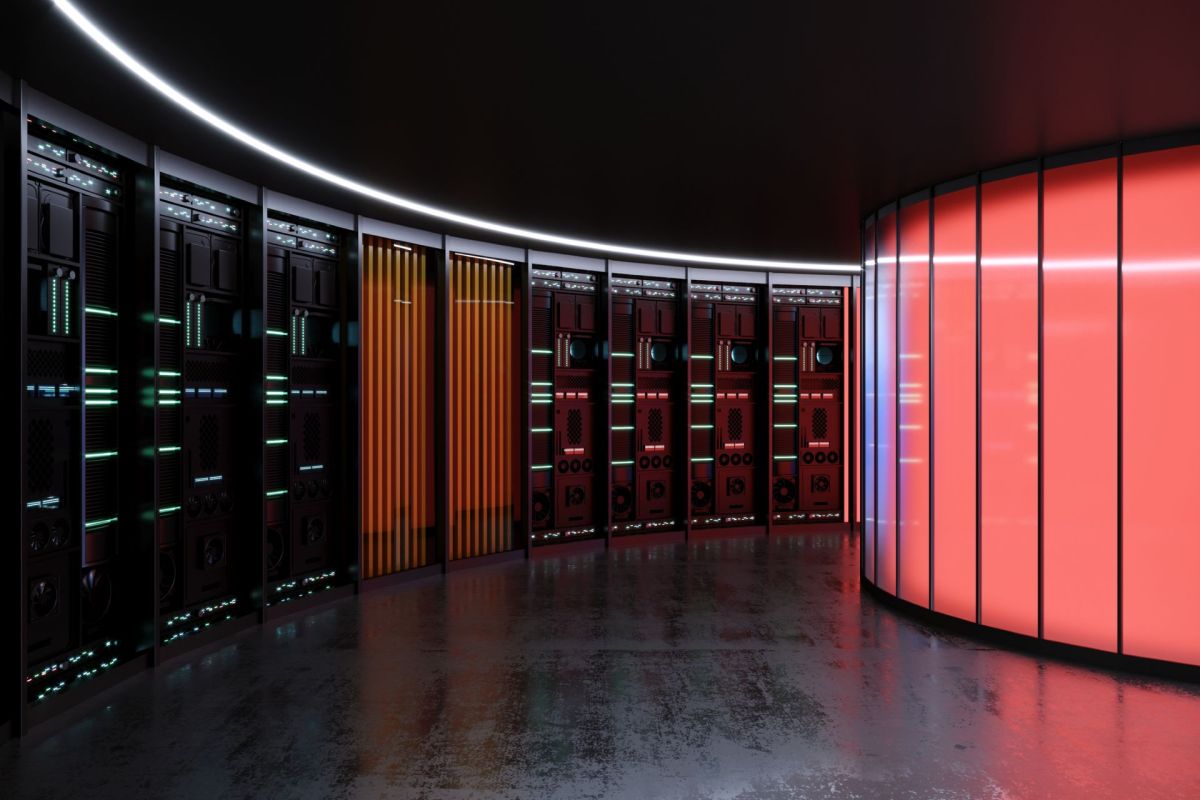
A growing backlash against data center expansion is taking shape in Lowell, Massachusetts, where residents say noise, diesel exhaust, and industrial cooling systems from a nearby facility have turned everyday life into a fight over health and quality of life.
Now, neighbors are suing to stop the Markley Group from expanding a data center they say is already too much for the surrounding homes.
As the Boston Globe reported, residents near the Markley Group data center are pushing back against the company's plans to expand the site, which opened in 2015.
In April, the Lowell City Council put a one-year pause on any expansion of the facility, and neighbors are now working with environmental advocates on what has been described as Massachusetts' first lawsuit against a data center.
The complaint centers on quality-of-life concerns from nearby homeowners.
"We had a view of downtown Lowell from the back of our house," Lowell resident Jake Fortes said. "We could see the fireworks."
TCD Picks » Quince Spotlight
💡These best-sellers from Quince deliver affordable, sustainable luxury for all




Now, that view has been replaced by a large black concrete structure, along with a smaller building lined with cooling fans and several massive diesel generators. Fortes said that when those systems turn on, the neighborhood fills with a loud, constant roar and smoke. He also said regular generator tests send exhaust fumes into his home.
City Councilor Kimberly Scott raised similar concerns, telling the Globe that the cooling equipment at the site sits too close to homes and that nearby residents have dealt with mist entering their driveways.
Markley disputed the claims in a statement, saying the lawsuit contains "inaccurate and irrelevant assertions" and expressing confidence that it and the Massachusetts Department of Environmental Protection will prevail.
The Lowell fight reflects a much bigger national clash over data centers, especially as artificial intelligence drives demand for more computing power. AI tools such as chatbots and image generators rely on specialized chips that consume far more electricity than standard servers and generate significant heat. This increases the need for cooling systems, substations, transmission upgrades, and backup power.
Utilities may spread grid-upgrade costs across all customers, which can increase electric bills. Some centers also consume large amounts of water for cooling and rely on massive diesel generators during outages or equipment testing.
Lowell is not alone. Across New England, communities are trying different ways to slow, limit, or block the development of new data centers.
The Globe also reported that in Massachusetts, Everett officials are weighing rules to restrict the size of any future data center on a large redevelopment site, while Mansfield voters recently backed zoning changes that keep data centers in business or industrial areas and place a modest cap on power use.
These fights are increasingly influencing projects before construction even begins, as public resistance has already helped stall or cancel data center proposals around the country.
As opposition grows, residents say the tradeoffs are becoming impossible to ignore.
"Data centers ... are benefiting some very large firms," said Shane Greenstein, a professor at Harvard Business School who specializes in technology strategy. "It's good for the high-tech economy. But arguably, those aren't the people around you. ... It benefits someone, but not my neighbor."

Get TCD's free newsletters for easy tips, smart advice, and a chance to earn $5,000 toward home upgrades. To see more stories like this one, change your Google preferences here.






