


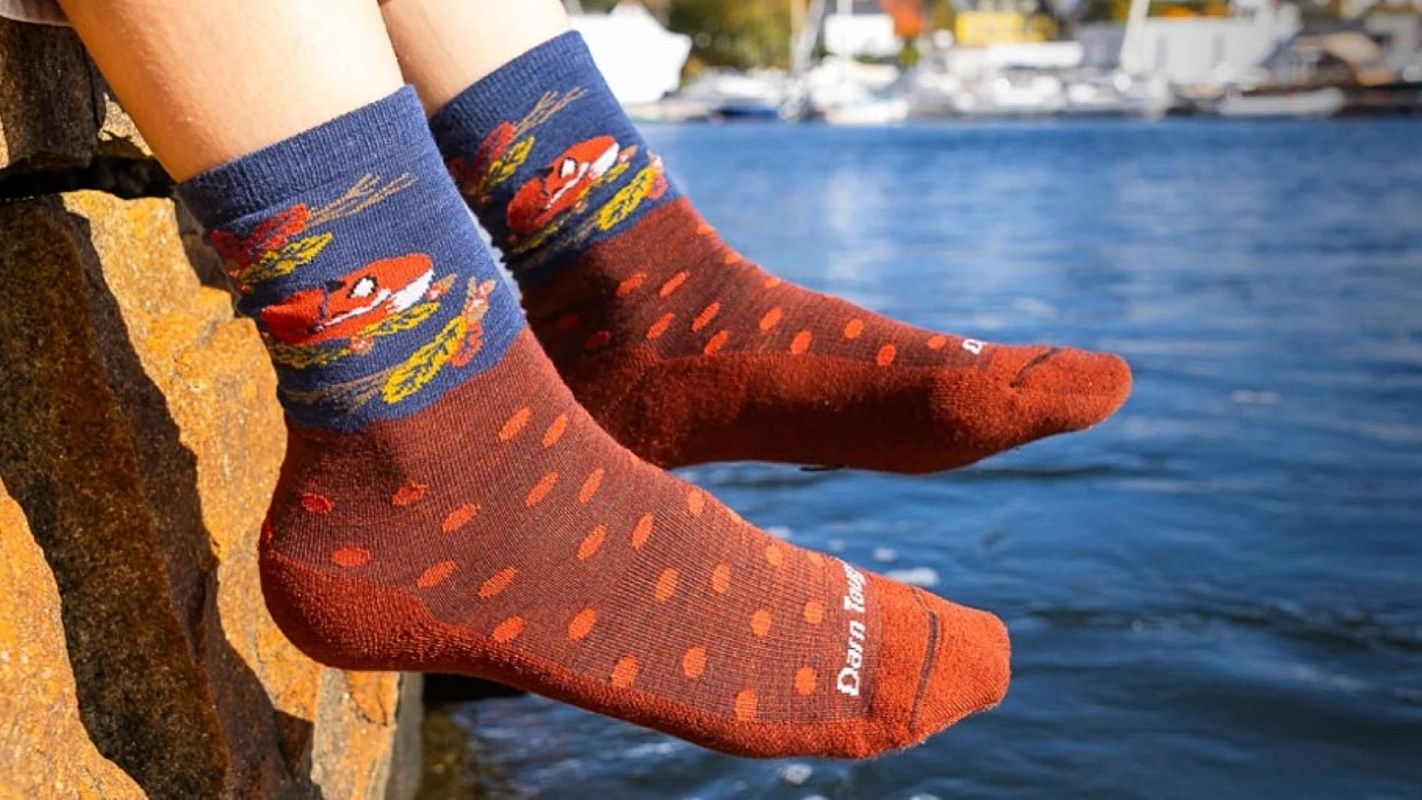
Buying a product that lasts — and can be repaired or replaced instead of ending up in the trash — is one of the simplest ways to cut down on closet waste.
A Reddit post about Darn Tough caught the eyes of users after one customer said the company replaced six worn pairs through its warranty program. From there, the discussion widened into a familiar question: Is the brand actually built to last, or are buyers just paying a premium upfront?
What's happening?
After their claim went through, the original poster shared a photo of old socks alongside replacement pairs, writing, "The ones that I've been wearing daily for a year are still in amazing condition."
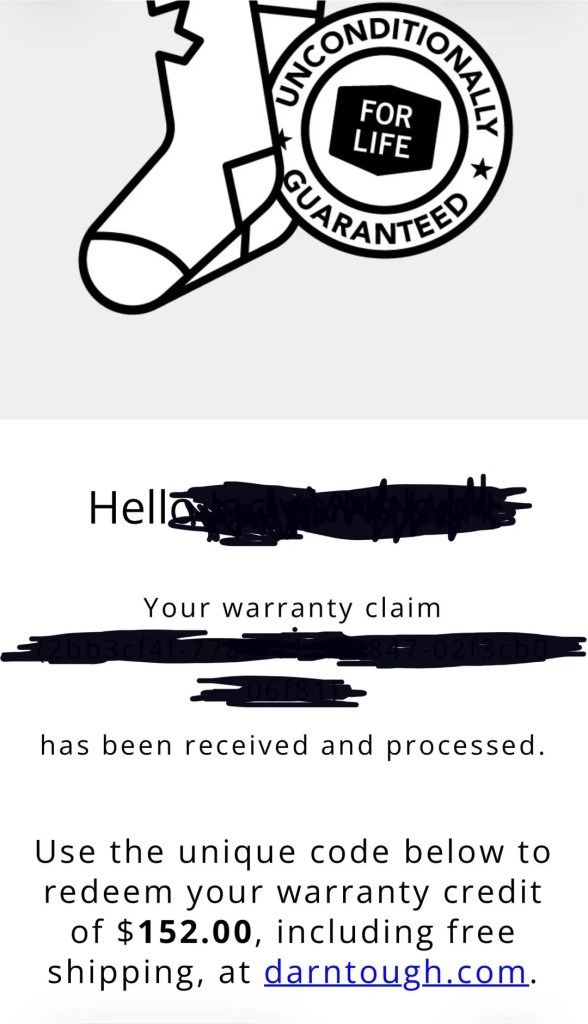
Supporters said that kind of warranty service can make high prices easy to justify, especially for people who rely on wool socks for hiking, work, or everyday use.
Critics pushed back. "At their prices, you're just pre-paying for a sock subscription," one commenter said. Another expressed skepticism about the post, writing: "Very tired of the Darn Tough advertisements pretending to be real customers. This BS shows up all the time. Like others have said, I regret buying my Darn Tough socks."
Others said the socks wore out sooner than expected.
TCD Picks » Quince Spotlight
💡These best-sellers from Quince deliver affordable, sustainable luxury for all




Why does it matter?
Clothing waste adds up quickly, and basics such as socks are easy to overlook even though they can be replaced often. A strong warranty may keep usable items in circulation longer and reduce the need to keep buying new ones.
At the same time, a warranty is only as valuable as the product behind it. If an item fails quickly, the environmental benefit falls because each replacement requires new materials, shipping, and packaging.
There is also the question of cost. A premium sock that lasts for years — or is replaced reliably — could save you money over time. But if shoppers pay top dollar for pairs that develop holes early, that value proposition changes fast.
"So many pairs developed holes within a year while being uncomfortable," one frustrated commenter wrote.
What can I do?
If you're trying to buy durable clothing, check warranty terms before spending a lot upfront. Look at what is covered, whether proof of purchase is required, and who pays for shipping on replacements.
Buy from authorized sellers when possible. Several commenters raised concerns about knockoffs from third-party marketplaces, which can make it hard to judge a brand fairly.
Cost per wear can be a better measure than sticker price. An expensive pair may be worth it if it lasts a long time, fits well, and comes with solid customer support. If not, a cheaper option may be the better buy.
How socks are worn and cared for matters too. Commenters pointed to moisture, friction, and poor shoe fit as factors that can shorten lifespan, noting choosing the right size and following care instructions may help any pair last longer.
"Bought my first pair five years ago and have bought several more since; haven't had to replace any yet," one user wrote. "... Worth mentioning my lifestyle is not very destructive to socks — I don't hike very often, play fast-paced sports, spend all day on my feet walking around a warehouse, or anything like that."

Get TCD's free newsletters for easy tips, smart advice, and a chance to earn $5,000 toward home upgrades. To see more stories like this one, change your Google preferences here.






