


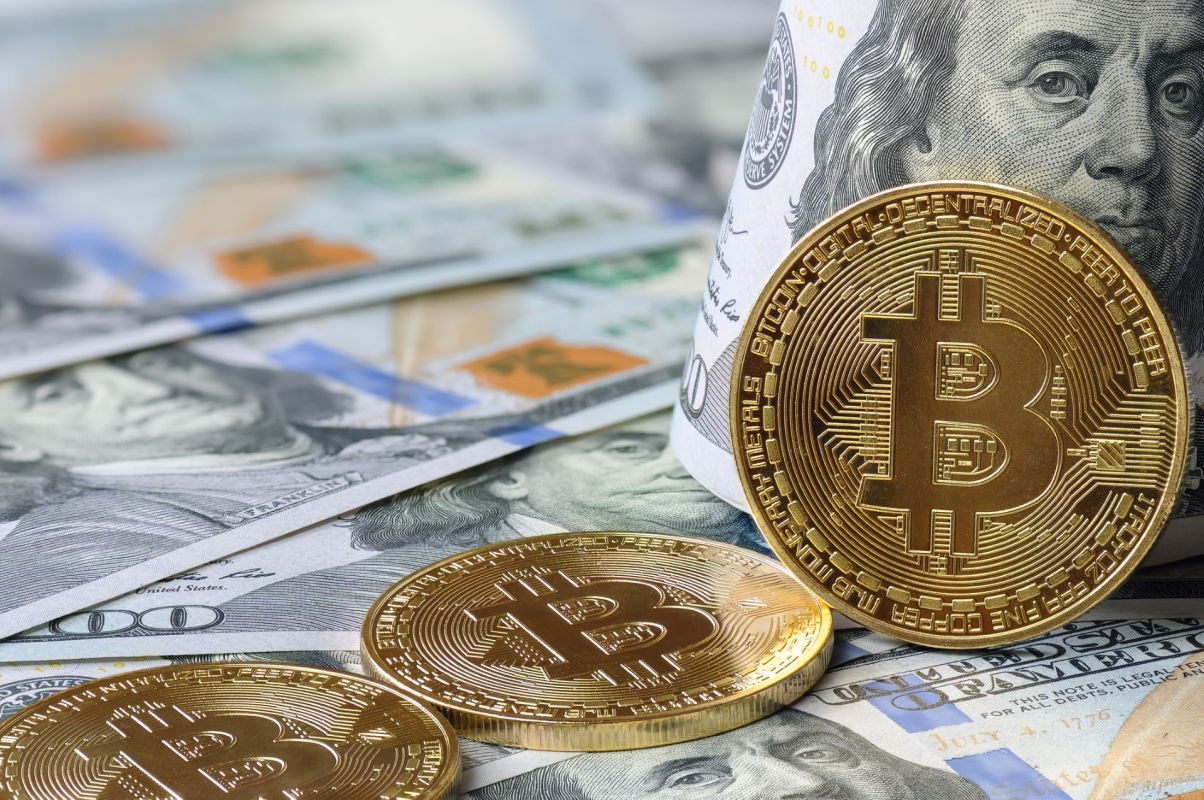
Crypto enthusiasts are being reminded that not everything that glitters in the digital world is gold … or bitcoin.
Across social media, so-called "crypto faucets" are luring users with promises of free coins for performing simple online tasks. But experts say that while the offer sounds risk-free, the hidden costs can outweigh the rewards.
What's happening?
According to the New York Post, crypto faucets, first launched in 2010 by bitcoin pioneer Gavin Andresen, were once designed to help newcomers learn how digital wallets and blockchain transactions work. Participants could earn small fractions of cryptocurrency by completing tasks like solving captchas or watching ads.
Today, those payouts have dwindled to nearly nothing, and the faucets themselves have become breeding grounds for scams.
"They're like a 'digital water dispenser' that gives out tiny fractions of a cent in crypto," said Prashant Tiwari, founder of Vhindi.com, per the New York Post. "The bombastic claims of easy money often hide the real cost — people spend hours on them only to earn less than a dollar."
Cybersecurity experts also note that many sites are riddled with spam and phishing attempts.
TCD Picks » Quince Spotlight
💡These best-sellers from Quince deliver affordable, sustainable luxury for all




"Safety is a big concern," Tiwari added. "The shady ads, phishing scams, and malware they often expose you to can be far more costly than any earnings."
Why is this concerning?
For new users, these "free" crypto offers can create a false sense of financial opportunity that comes with both security and environmental risks.
Bitcoin and similar proof-of-work currencies consume vast amounts of electricity to verify transactions. While newer proof-of-stake networks like Ethereum have cut that consumption by 99.95%, the overall energy footprint of the crypto industry remains significant.
A recent University of Cambridge study found that 52.4% of bitcoin mining was powered by renewable energy, but that still leaves a significant reliance on fossil fuels.
|
Do you worry about companies having too much of your personal data? Click your choice to see results and speak your mind. |
 Absolutely 👍
 Still, many analysts see long-term potential. In an interview with CNBC, Jeremy Siegel, a Wharton School professor and chief economist at WisdomTree, noted that bitcoin could one day rival the U.S. dollar as the world's reserve currency. However, its success will depend on whether it can evolve sustainably.
What's being done to make crypto safer and greener?
Recognizing the environmental strain of blockchain technology, some innovators are building more efficient alternatives.
One example is Algorand, a network founded by MIT's Silvio Micali that runs on a pure proof-of-stake system. Unlike bitcoin's energy-hungry mining process, Algorand's system drastically cuts energy use while maintaining security.
If you're interested in exploring the space responsibly, it's recommended to start with educational tools and reputable platforms rather than chasing "free" crypto online.
Stick to wallets you control, avoid sharing personal details, and remember: In crypto, as in life, if something sounds too good to be true, it probably is.

Join our free newsletter for good news and useful tips, and don't miss this cool list of easy ways to help yourself while helping the planet.






