


After a six-figure plant-operator job disappeared and the search for replacement work dragged on, one Reddit user supporting a family began building a new business around free organic waste with little more than resourcefulness, persistence, and a willingness to put in the work.
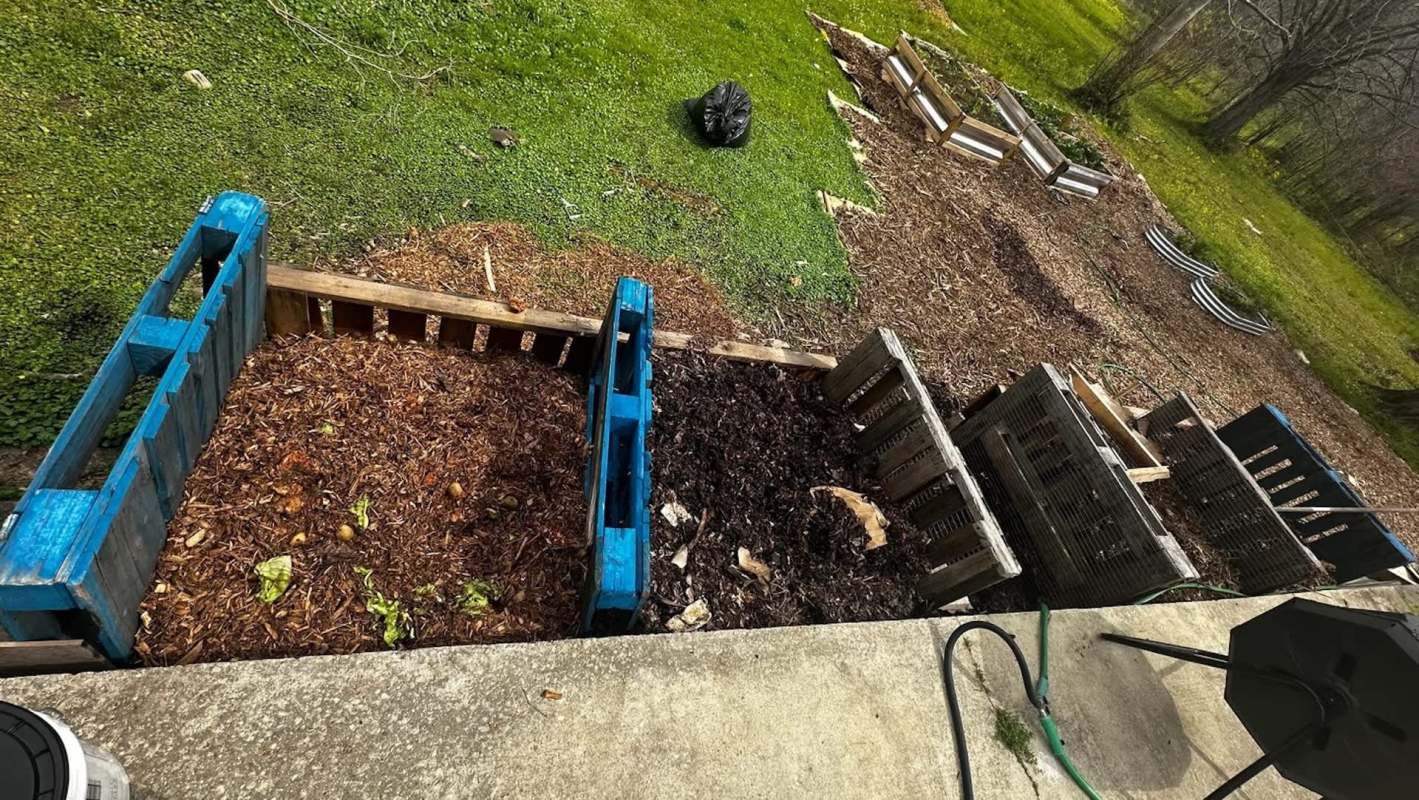
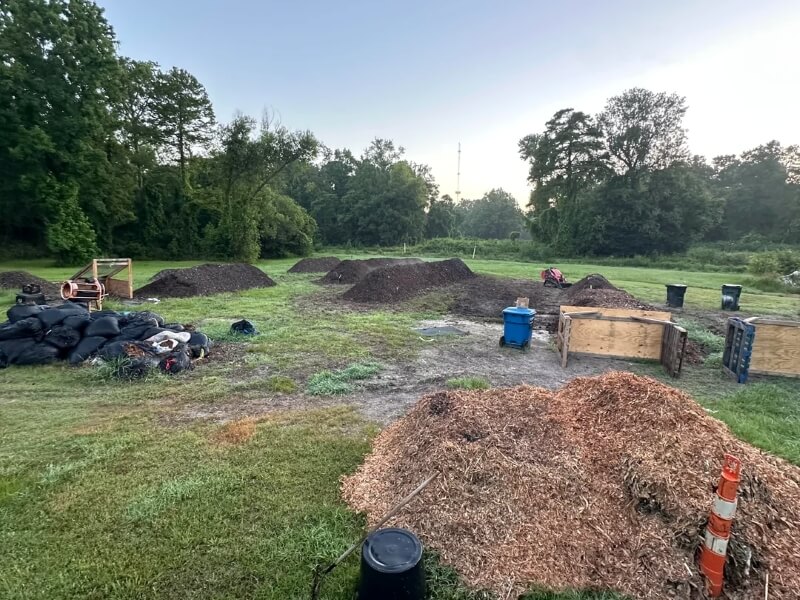
Just 12 months later, the effort had expanded beyond two tumblers, expanding into pallet bins and windrows about 60 feet long.
What happened?
A post on Reddit documents that growth with before-and-after images, showing a small composting project develop into a much bigger operation.
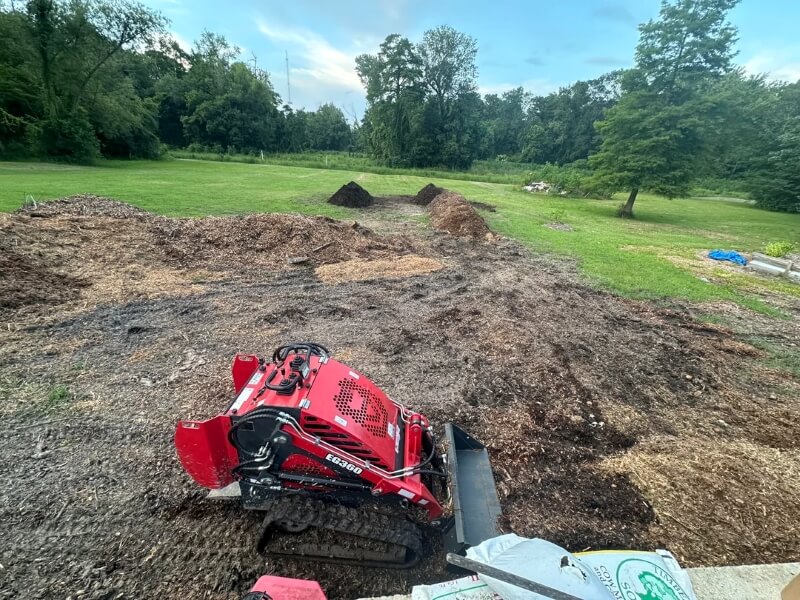
The poster said the push to scale up came after losing their job and having a hard time finding another one while trying to provide for their family.
Over roughly a year, the setup progressed from two tumblers to nine pallet bins, then to three windrows, each about 60 feet long, according to the composter.
In the comments, the poster explained that a produce stand and a horse stable provide a steady, free supply of food waste and manure that would otherwise need to be disposed of. They also said the finished compost sells for $120 per yard or $10 per bag.
TCD Picks » Quince Spotlight
💡These best-sellers from Quince deliver affordable, sustainable luxury for all




Much of the conversation centered on day-to-day logistics, including how to keep inputs consistent, prevent trash from getting mixed in, and make sure the pallets are safe.
One commenter offered helpful advice on how to avoid pests from destroying the setup: "In aus the blue pallets are sprayed and heavily treated to prevent nasties from eating them. The chemicals can leach from the pallets into your compost and then into your food." Others expressed excitement over this project, one simply saying it's "friggin cool" and another saying, "That's awesome! Good work!
Why does it matter?
When food waste is sent to landfills, it produces methane, a powerful planet-warming gas. Composting, by contrast, helps return nutrients to the soil while keeping those materials out of the waste stream.
Job loss can be devastating for households, and building new income streams from overlooked materials can offer an alternative.
Turning free organic waste into a product with clear demand shows that circular solutions can be both financially practical and environmentally beneficial.
Community-scale composting can cut disposal costs, support gardeners, and improve soil health in yards and small farms. Small-scale efforts should not be underestimated, since diverting produce scraps and manure from the trash can make a meaningful difference.
The end product is only as good as the materials that go into it, so plastic, other trash, or improperly treated wood can quickly compromise a batch.
What can I do?
One lesson from this story is that growth can be gradual: the whole operation started with two tumblers and expanded only as the work became easier to manage and more dependable.
If you want to try it at home, start with a basic bin or pile and focus on the fundamentals: balancing "greens" such as fruit and vegetable scraps with "browns" such as dry leaves or cardboard, keeping the pile moist but not soggy, and turning it regularly. There are simple ways you can take action, like starting a backyard compost pile, using a tumbler, or using local drop-off options to dispose of food scraps.
You can also look into local options if backyard composting is not realistic. Many towns, community gardens, and farms accept food scraps, and some neighborhoods have drop-off programs that make it easier to keep organic waste out of the trash.

Get TCD's free newsletters for easy tips, smart advice, and a chance to earn $5,000 toward home upgrades. To see more stories like this one, change your Google preferences here.







