


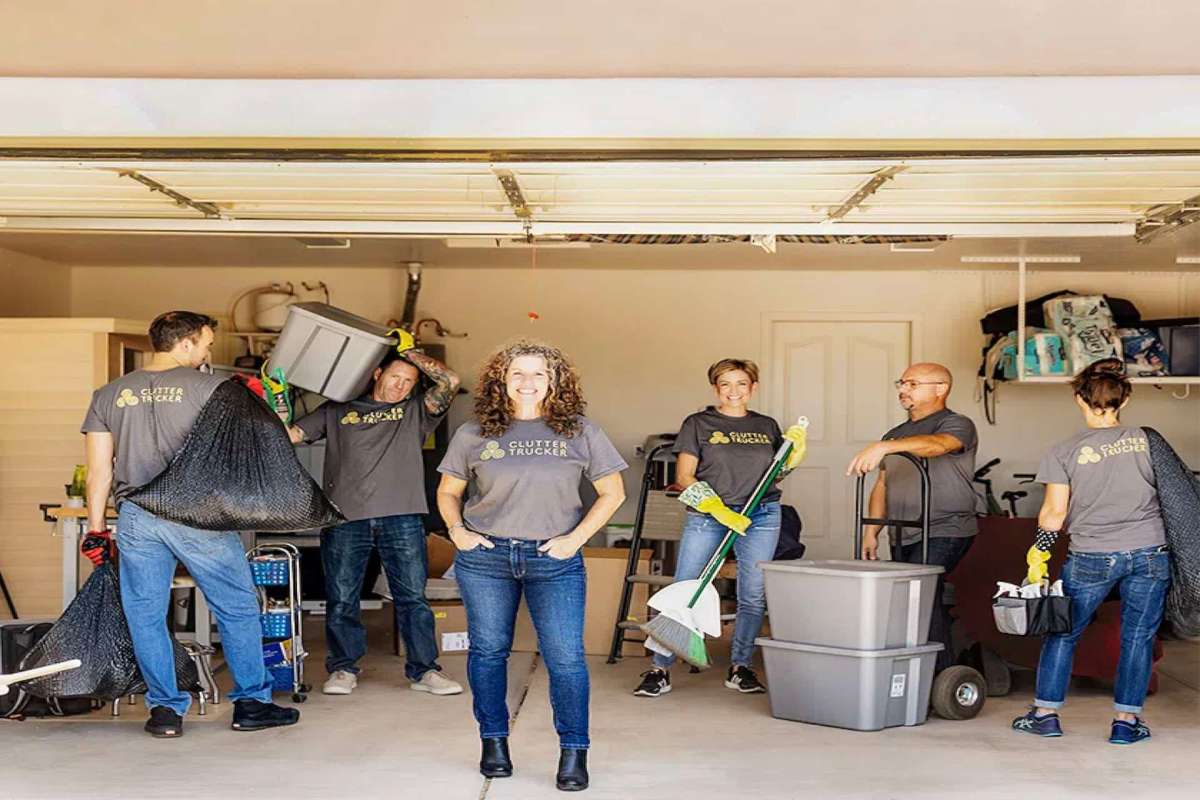
What began as a painful discovery inside one Colorado family's home took a brighter turn when it became the foundation for a business centered on second chances for people who need support.
After finding her grandparents living in a hoard, Jennifer Hanzlick turned that experience into a cleanup service designed to help other families reclaim their spaces.
Here's what to know
As The Gazette reported, discovering her grandparents' living conditions led her toward work that now helps others manage serious cleanouts. After being laid off in 2008, Hanzlick used her severance pay to buy a truck and launch Clutter Trucker — one of Colorado's first companies specifically focused on hoarding cleanup.
In naming the business, she wanted to avoid the "junk removal" language that can be insensitive to people's feelings about their personal belongings.
Hoarding is about far more than housekeeping. Excessive clutter can block exits, increase the risk of trips and falls, attract pests, and hide mold or leaks that become more expensive over time. For older adults in particular, those hazards can turn a familiar home into an unsafe one.
There is also a clear financial benefit to stepping in early. Sorting, donating, recycling, and removing items before a home reaches a crisis point can reduce disposal costs, prevent expensive repairs, and even uncover belongings that have resale or reuse value.
TCD Picks » Quince Spotlight
💡These best-sellers from Quince deliver affordable, sustainable luxury for all




More background
When clutter reaches a certain point, what may have started as a manageable project can need large-scale hauling, deep cleaning, repairs, or pest treatment.
That can make the financial toll especially hard. Water damage hidden behind stacks of belongings, a rodent infestation, or a blocked heating or ventilation system can all lead to repair bills that far exceed the cost of routine decluttering. In some cases, dangerous buildup can also create code or insurance problems.
There is an environmental angle as well. When cleanouts are handled thoughtfully, usable furniture, clothing, household goods, and scrap materials can be donated or recycled instead of being thrown away. That not only keeps waste out of landfills but can also lower fees tied to disposal by weight or volume.
Cleanup work, when approached with care, can protect both people and property. A safer home can mean less risk of injuries, less stress, lower long-term maintenance costs, and a better chance of preserving items that still hold value.
What can be done?
For individuals and families, the most practical first step is to act before clutter becomes dangerous.
That may mean setting aside time each month to sort things in one room, one closet, or even one shelf into simple categories: keep, donate, recycle, and discard.
If a situation feels emotionally charged or physically overwhelming, bringing in help can make a major difference. That could mean a trusted family member, a professional organizer, or a cleanup company experienced in compassionate large-scale removals. Asking in advance about donation and recycling options can also reduce waste and lower costs.
For many people, asking for help can be a difficult first step, especially if they anticipate judgment or losing control over the process.
"There's so many people out there that want or need help but maybe don't have the financial means," Hanzlick said. "The most common fear is that people won't have a say and think they'll be judged or turned into authorities. Even if it feels like it can't happen for you and you're super defeated, once you commit to the notion of getting help, it'll usually work out."
For households with aging relatives, regular check-ins can be especially important. A gradual buildup of possessions is often much easier to address early than after it interferes with cooking, bathing, sleeping, or moving safely through a home.
Clutter is rarely just about stuff. When it is addressed early and handled with empathy, cleanup can make a home safer, less stressful, and potentially far less expensive to maintain.

Get TCD's free newsletters for easy tips, smart advice, and a chance to earn $5,000 toward home upgrades. To see more stories like this one, change your Google preferences here.







