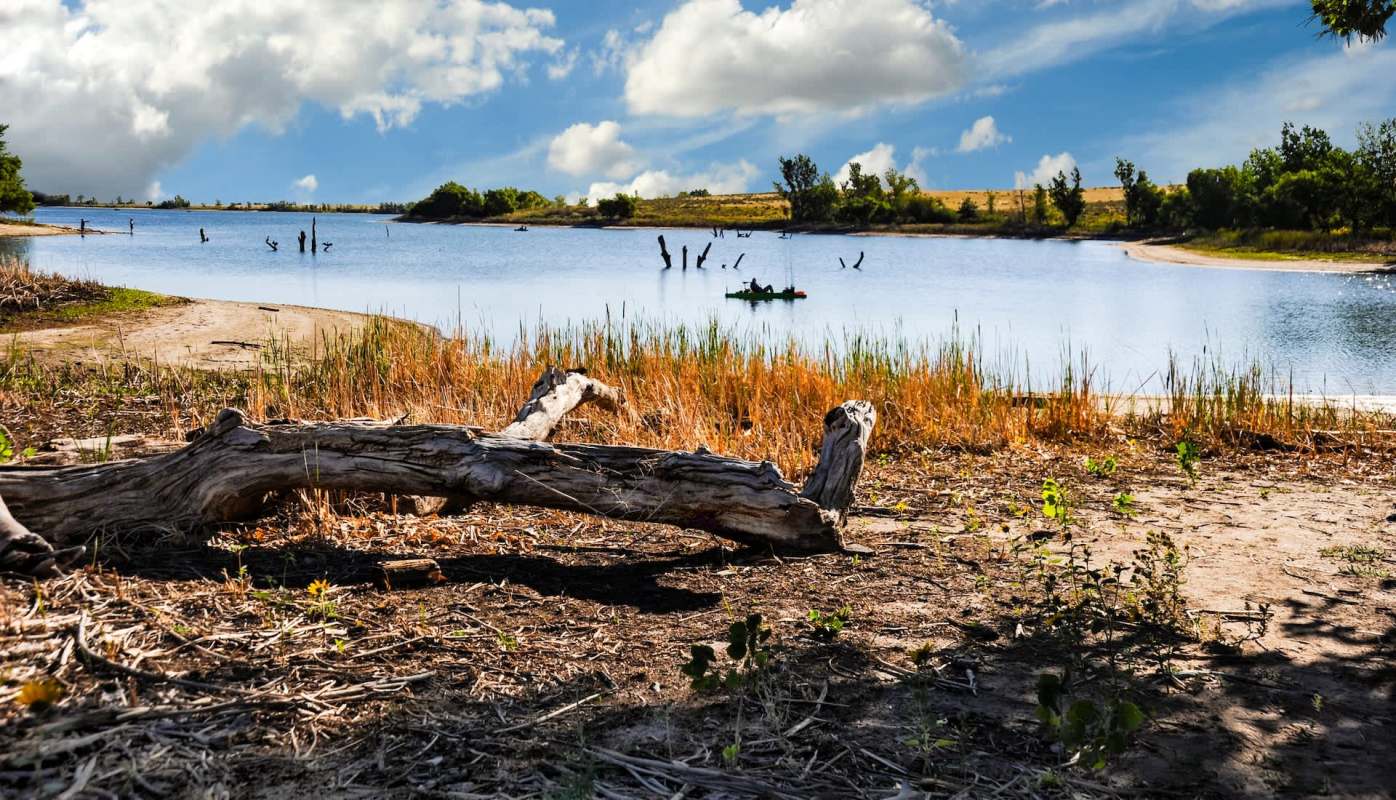
After years of opposing oil and gas activity near the Aurora Reservoir, Colorado residents are facing a new battle. The Colorado Sun reported that the federal government plans to auction 600 acres of mineral leases west of the drinking water source.
Here's what to know
According to The Colorado Sun, the Sept. 8 Bureau of Land Management auction includes two parcels near the reservoir totaling 600 acres. Those tracts border Colorado State Land Board property tied to Crestone Peak Resources, a subsidiary of SM Energy Company, which already has approval to develop 108 oil and gas wells.
The Colorado Energy and Carbon Management Commission approved one piece of that project, the State Sunlight-Long pad, after months of public opposition and a 3-2 vote. It is part of a much larger drilling plan on the state's Lowry Ranch that the commission approved in July 2024 for roughly 32,000 acres.
STAR, short for Save the Aurora Reservoir, spent eight months fighting over that pad and used an attorney and expert witnesses across seven hearings.
The Colorado Sun reported that the group said in a statement, "Many of the parcels being leased under this version of the BLM are concerning and additive to the problems that Colorado is already seeing from rampant oil and gas development."
The BLM's environmental assessment, as cited by The Colorado Sun, says any federal wells would likely be developed from Crestone's still-unapproved State Blanca West pad. It could accommodate eight horizontal wells reaching 3 miles laterally onto federal land.
TCD Picks » Quince Spotlight
💡These best-sellers from Quince deliver affordable, sustainable luxury for all




More background
If that federal drilling moves forward, it would add about 8.5 acres of surface disturbance to the 21.5-acre State Blanca West pad, along with about 3 acres of roads.
Coal and natural gas power plants contribute to air and water pollution that has been linked to asthma, heart disease, cancer, and premature death. They can also keep household energy costs elevated when families remain dependent on fuel sources with volatile prices instead of more abundant energy from sunlight and wind.
Industry lobbying has further delayed cleaner, cheaper energy solutions that could better protect communities while lowering utility bills.
The lease sale is moving ahead under the Trump administration's One Big Beautiful Bill Act, which requires Colorado and eight other oil-producing states to hold quarterly oil and gas lease auctions. Under that law, at least 50% of nominated parcels must be offered in the next auction, while all nominated parcels must be offered within 18 months.
It also includes 3,438 acres in Weld County on or near the Pawnee National Grassland.
What's being done?
Opponents are continuing to rely on the state review process and public testimony to slow or challenge drilling near the reservoir.
Meanwhile, regulators and the BLM have created mitigation steps intended to reduce some of drilling's impacts. The federal assessment, as described by The Colorado Sun, references ECMC-approved requirements including electric drilling rigs, low-odor rigs, closed-loop fluid systems, full-wrap sound walls, and vapor recovery systems.
Still, those measures have not resolved the core dispute over whether drilling should be allowed so close to a major water supply in the first place. For many residents, the central issues are location and proper land stewardship.
In a press release from the Center for Western Priorities, the organization detailed several testimonies people shared in response to the drilling at a live taping of a podcast called "The Landscape."
"The United States government is destroying all beautiful and historic lands on the border, and we care just as much about those areas as ours," said Amy Juan, a member of the Tohono O'odham Nation. "Important and historic places that are true testaments to the history of America are being destroyed. We thank people for their support and care about our country, and what is happening."
Where can I learn more?
The fight over Aurora Reservoir is part of a much bigger struggle over oil and gas development.
• Across the U.S., oil and gas pollution has been tied to asthma and premature deaths.
• In Montana, state officials are trying to overturn young activists' win after courts faulted climate policy.
• In Utah, voter anxiety over environmental rules is reshaping politics in a fossil-fuel-heavy state.
For residents near Aurora Reservoir and anyone facing a similar issue, these stories can help provide talking points for conversations about what actions to take next.

Get TCD's free newsletters for easy tips, smart advice, and a chance to earn $5,000 toward home upgrades. To see more stories like this one, change your Google preferences here.