


The Supreme Court took up a dispute over whether local governments can use state law to make oil companies help pay for climate-related damage.
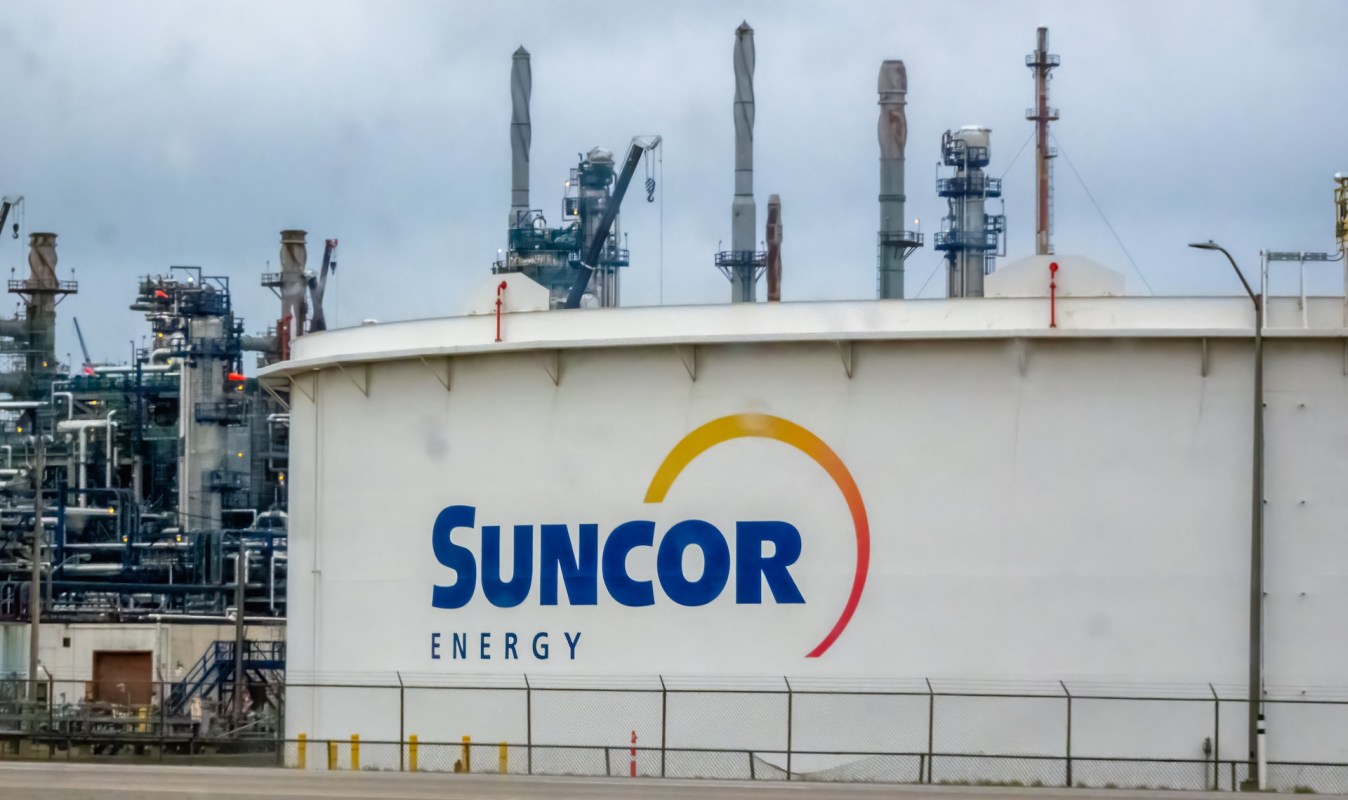
The issue reaches the justices through a long-running lawsuit from Boulder, Colorado, against Exxon Mobil and Suncor Energy, CBS News reported.
Here's what to know
The justices are reviewing a Colorado Supreme Court ruling that let Boulder and Boulder County continue pursuing state-law claims against Exxon and Suncor.
Boulder officials maintain that the area has coped with extreme heat, more frequent major wildfires, and ecological damage linked to the companies' fossil fuel production and allegedly deceptive marketing.
In addition to impacts on climate and weather, producing and burning fossil fuels has long been linked to myriad adverse public health outcomes, from increased asthma rates in children to cardiac disease, various cancers, and premature mortality.
A ruling for Boulder at this stage would simply keep the case moving in state court.
TCD Picks » Quince Spotlight
💡These best-sellers from Quince deliver affordable, sustainable luxury for all




The lawsuit was filed in 2018 and is still in its early stages, so such a decision would not automatically award damages to the city and county.
Jonathan Adler, a law professor at William & Mary, addressed its current status.
"This is not a judgment about whether these cases will succeed. It's a judgment about whether folks get to make their case. And even if they get to make their case, the scope of what they can pursue could well be narrowed and might well be narrowed significantly," Adler explained.
For their part, Exxon and Suncor claim that the Constitution and the Clean Air Act prevent state-law claims connected to interstate greenhouse-gas emissions.
The justices also pressed a separate threshold question: whether the court has jurisdiction to review the Colorado decision at all.
If the answer is no, the appeal could end without any broader ruling on climate liability.
More background
Justice Samuel Alito recused himself, so only eight justices heard the case.
Alito's 2025 financial disclosure listed individual holdings in ConocoPhillips and Phillips 66.
A 4-4 split would leave the Colorado Supreme Court's ruling in place.
"This litigation is not an attempt to solve climate change; it merely asks that petitioners bear their fair share of local costs incurred in part because of their tortious conduct," Boulder's lawyers wrote in a filing.
What's being done?
Rather than trying to regulate emissions directly, Boulder is pursuing five state-law claims centered on fossil fuel production and alleged deception.
Its lawyers told the court that the Clean Air Act covers emissions, but said their suit targets upstream conduct by producers instead.
"Indeed, avoiding liability would not require reducing emissions at all — only telling the truth, so the public can make informed consumption decisions free of the distorting effect of petitioners' misrepresentations," a filing stated.
A ruling in Boulder's favor could preserve dozens of similar lawsuits brought by states and local governments.
If Exxon and Suncor prevail, Congress could become the more obvious place for setting liability limits. Adler noted that lawmakers took a similar approach in 2005 when they passed a federal shield for gun manufacturers.
"It's a national problem, so it requires a national solution," said Michael Williams, West Virginia's solicitor general.
Where can I learn more?
Questions about who should pay for climate-related damage aren't limited to Colorado. These stories follow similar lawsuits, proposed climate superfund laws, and another Supreme Court climate case.
• In Oregon, judges greenlit a lawsuit against major fossil fuel companies over the deadly 2021 heat wave.
• New York's Assembly advanced a climate superfund bill that could make major oil companies pay damages.
• In Rhode Island, legislators weighed a fossil fuel superfund aimed at shifting climate costs to producers.

Get TCD's free newsletters for easy tips, smart advice, and a chance to earn $5,000 toward home upgrades. To see more stories like this one, change your Google preferences here.






