


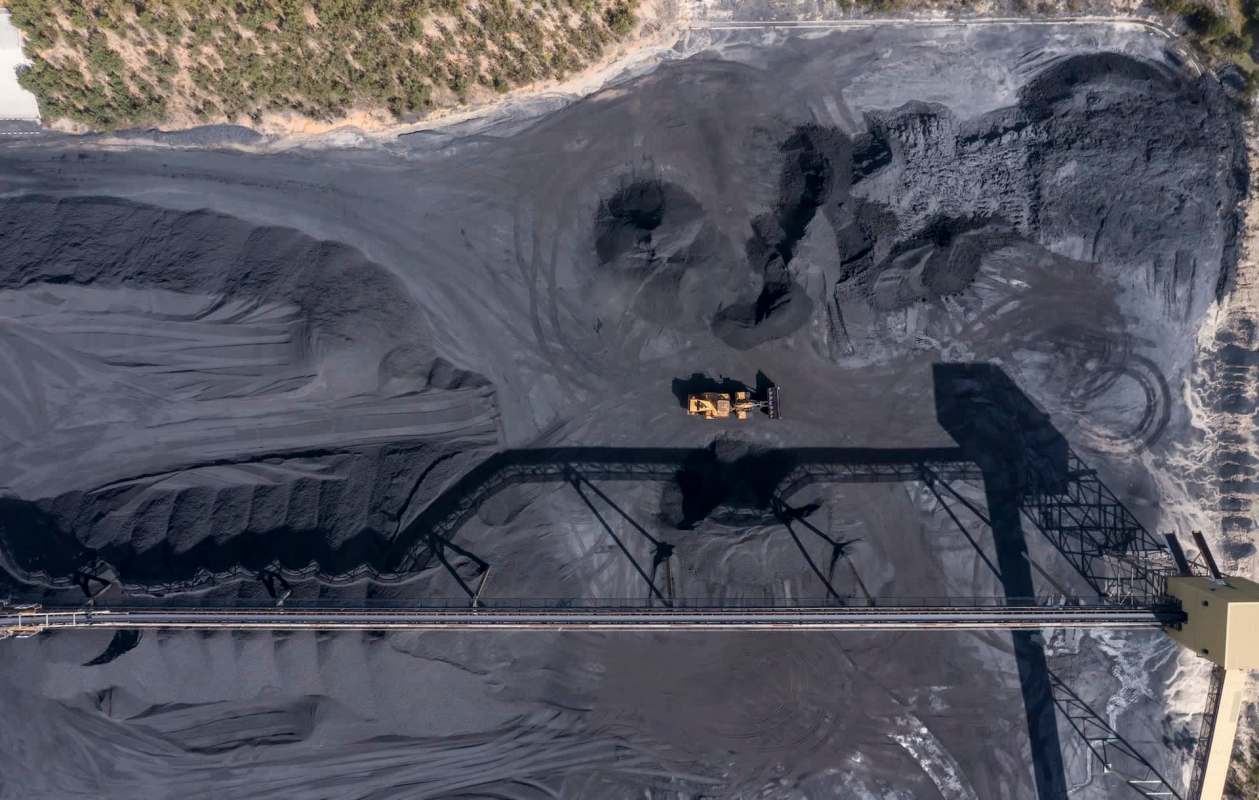
Australia and Turkey will host the COP31 climate summit next month — but the countries are also connected to a wave of novel coal development that is outpacing coal cancellations worldwide.
German environmental group Urgewald found that the gap is roughly three newly announced projects for every one shelved, according to The Independent.
Here's what to know
Urgewald counted 76 planned coal developments canceled or shelved in 2025, compared with 257 new announcements.
It noted that the global queue of proposed coal mining, power, chemical, and infrastructure projects had reached 1,510, the newspaper reported.
Urgewald determined that over 40% of companies on its Global Coal Exit List were pursuing new thermal coal assets.
Australia and Turkey are set to host the 31st Conference of the Parties to the United Nations Framework Convention on Climate Change from Nov. 9 to 20, putting their domestic energy choices under scrutiny as global negotiations continue.
TCD Picks » Quince Spotlight
💡These best-sellers from Quince deliver affordable, sustainable luxury for all




More background
Across 39 countries, 357 companies are moving to open or enlarge thermal coal mines, with planned annual capacity of 3.3 billion tons, according to The Independent.
Urgewald also listed 335 companies behind 606 proposed coal-fired power projects that totaled over 740 gigawatts — about four times that of American coal plants.
Australia is the world's second-largest coal exporter, and Urgewald noted it also ranks third globally for planned thermal coal mining development, per The Independent. The country has 49 proposed new mines or mine extensions, 20 of which are greenfield projects.
Urgewald said Turkey gets more of its electricity from coal than from wind and solar combined: 34% in 2025 versus 22% from clean sources. The country provides the coal industry with over €2.4 billion ($2.7 billion) in subsidies each year.
Coal and natural gas power plants pollute air and water, and that pollution has been linked to asthma, heart disease, cancer, and premature death.
Continued dependence on these fuels keeps household energy costs high by forcing communities to rely on volatile fuel markets rather than expanding more abundant energy sources such as wind and sunlight.
Industry lobbying has long sabotaged the shift to cleaner, cheaper, more reliable alternatives.
What can be done?
Urgewald indicated that Australia remains one of the few Organisation for Economic Co-operation and Development countries without a coal phase-out date, The Independent relayed, even though it signed the Belém Declaration at COP30, a roadmap for moving away from fossil fuels.
Electrification is a centerpiece of Turkey's COP31 platform, but Urgewald warned that the approach needs a coal phase-out plan to deliver its intended benefits.
Campaigners are calling for governments to stop approving new coal mines and power projects and to set domestic deadlines that match the rhetoric countries bring to climate action summits.
"Electrification without phasing out coal is like showering with polluted water. You can't build a clean energy future on a dirty foundation," said Heffa Schücking, director of Urgewald.

Get TCD's free newsletters for easy tips, smart advice, and a chance to earn $5,000 toward home upgrades. To see more stories like this one, change your Google preferences here.






