


A recent study highlighted one of the biggest problems with clothing donations, according to Earth.com.
What's happening?
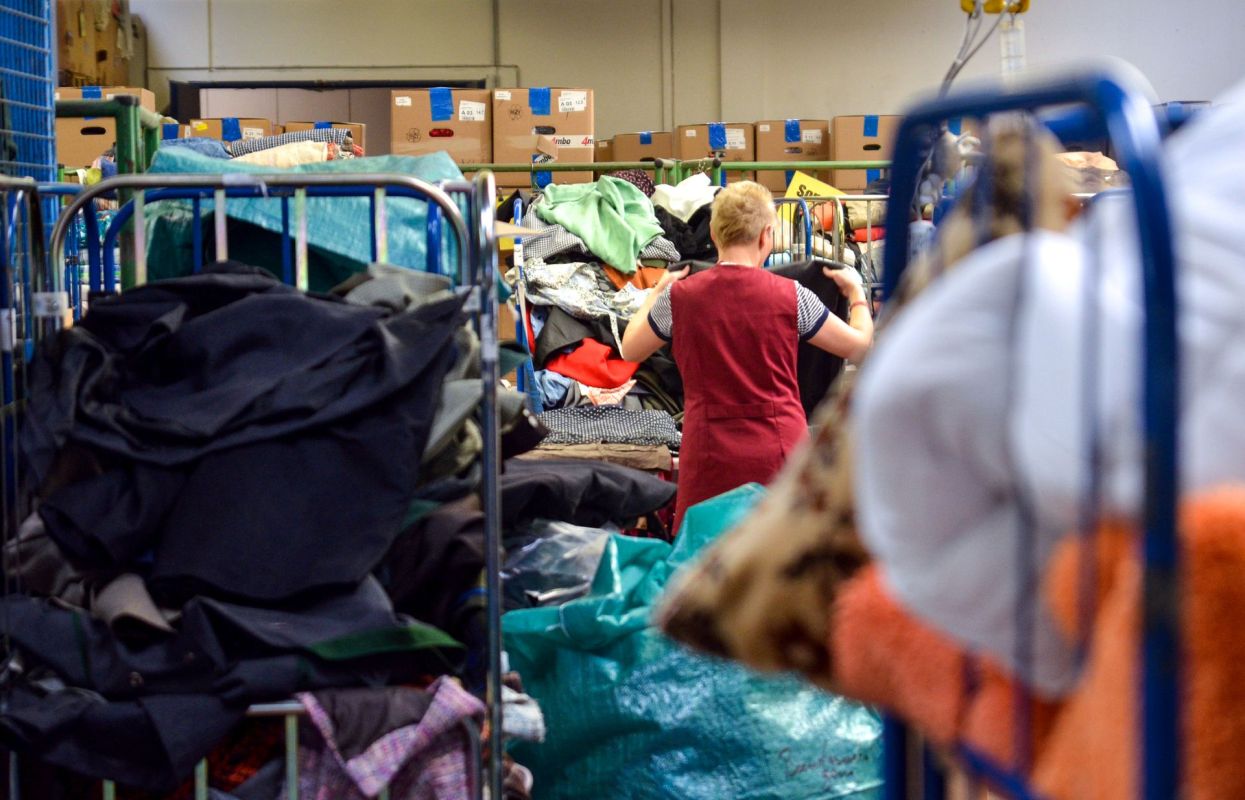
The study tracked the movement of clothing donations collected in nine wealthy cities, including Austin, Toronto, Melbourne, and Oslo.
Researchers found that the vast majority of this clothing was shipped abroad, as supply routinely outstripped domestic demand.
Even in recycling contexts, researchers also found that low-quality fabrics were harder to reuse.
"We're used to charities doing the heavy lifting, but they've been unable to fully handle the volume of donated clothes for a long time now," said author Yassie Samie.
Why is recycling clothing important?
When sent to landfills, clothing waste decomposes, producing methane that traps heat in the atmosphere.
TCD Picks » Quince Spotlight
💡These best-sellers from Quince deliver affordable, sustainable luxury for all




This can exacerbate a wide range of destructive weather patterns, leaving steep societal costs in their wake.
Clothing waste includes a significant amount of synthetic fabric that sheds microplastics, and fabrics account for more than 35% of plastic particles found in the ocean.
Microplastics routinely enter the human food supply.
Once ingested, microplastics can pose a wide range of health risks.
|
What's your primary motivation in shopping at thrift stores?
Click your choice to see results and speak your mind. |
 Cheaper clothes 🤑
 What's being done about clothing waste?
At an individual level, you can support a circular economy by thrift shopping and selling your old clothes rather than donating them to charities that may be overburdened.
Researchers advocated greater support for charities, repair shops, and municipal waste managers to handle the persistent avalanche of used clothing.
The authors suggested the best solution was to reduce excessive purchasing of brand-new, low-quality clothing in the first place. However, displacing entrenched industry players has proven to be an uphill battle.
"Sustainable fashion initiatives, like second-hand retailers, struggle to compete with fashion brands' big marketing budgets and convenient locations," Samie explained.
"Fast fashion alternatives exist but they are under-promoted, despite their potential to significantly reduce cities' textile waste."

💰Get TCD's free newsletters for easy tips to save more, waste less, and make smarter choices — and earn up to $5,000 toward clean upgrades in TCD's exclusive Rewards Club.






