


The bipartisan Clean Water Act has helped ensure access to safe drinking water and outdoor recreation for more than 50 years.
However, Environment America warns that a spending proposal approved by the House Appropriations Committee in July could prevent resources from going toward supporting this goal, leading to dirtier and more hazardous conditions for communities.
What's happening?
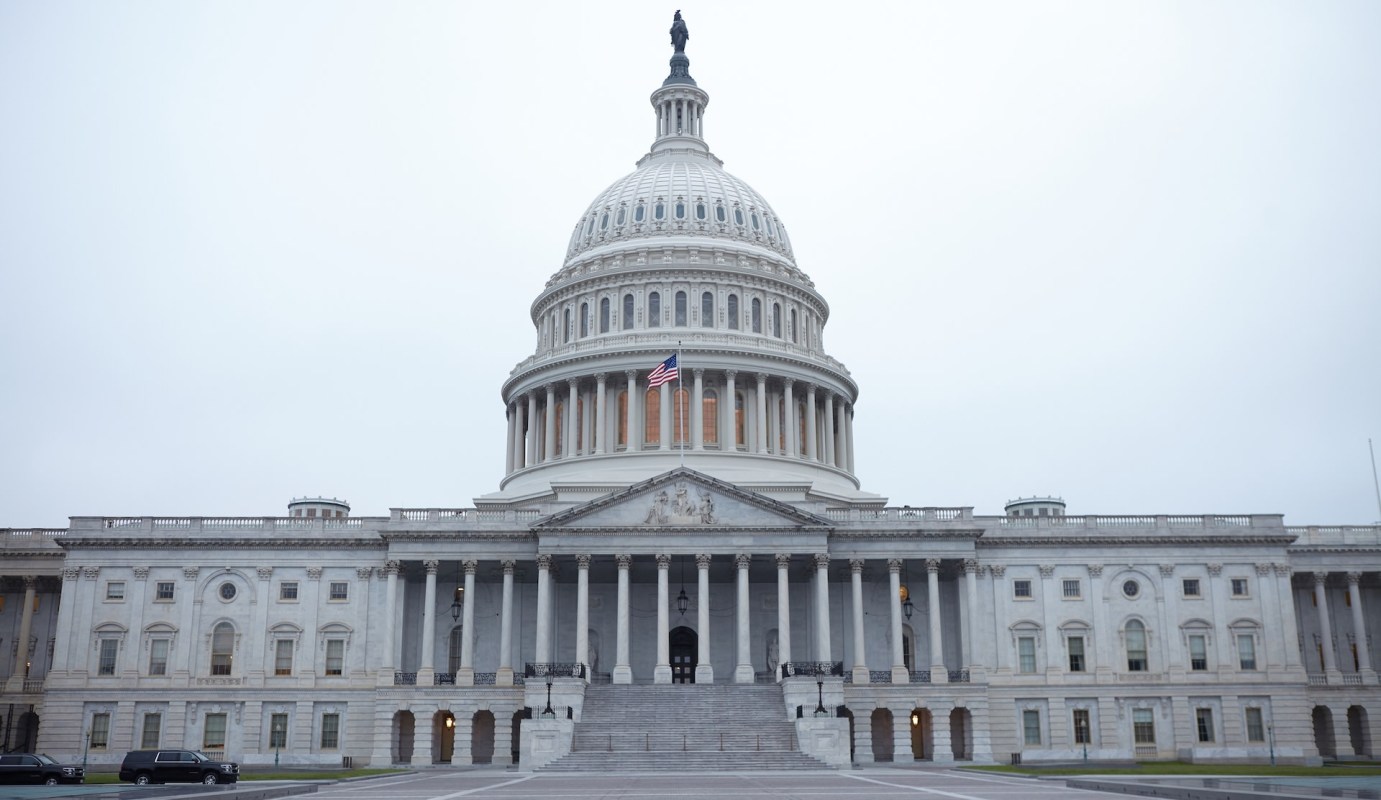
On July 22, the House Appropriations Committee backed a plan that would cut funding for wastewater infrastructure by 26%. The proposal would also slash funds for the Drinking Water State Revolving Fund, which supports communities working to remove hazardous substances like lead and PFAS (or "forever chemicals") from their drinking water.
Supporters of the plan — including Interior and Environment Subcommittee Chairman Mike Simpson, a Republican from Idaho, and Chairman Tom Cole, a Republican from Oklahoma — argue that the bill prevents regulatory overreach and redirects funds to more urgent needs, including wildfire management.
However, critics say it could leave Americans vulnerable to disease and significantly reduce their quality of life by making beaches, fishing sites, and outdoor recreation areas unusable.
"From beaches to kitchen faucets, Americans deserve clean water. Yet some representatives in Congress have voted for a bill that leaves us with fewer resources to make that happen," John Rumpler, clean water director for Environment America, said in a statement.
TCD Picks » Quince Spotlight
💡These best-sellers from Quince deliver affordable, sustainable luxury for all




"... Now is not the time to slash the funds communities need to stop the flow of nasty bacteria and pollution into our water."
Why is funding wastewater infrastructure important now?
A recent report from Environment America found that 61% of U.S. beaches had at least one day last year in which fecal contamination levels may have reached unsafe levels, and there's more than just one source of contamination.
Agricultural activities, outdated or poorly maintained sewer systems, and runoff from urban development can all play a role, among other things.
However, an increase in extreme weather events due to a warming climate has exacerbated wastewater management challenges, stressing existing infrastructure.
|
Do you worry about having toxic forever chemicals in your home?
Click your choice to see results and speak your mind. |
 Majorly 😥
 While maintaining and improving wastewater infrastructure requires a significant investment, it could prevent a bigger bill from being needed down the line, helping to save lives and preventing billions of dollars in health care costs from serious diseases like hepatitis A, polio, and typhoid.
What can be done about this?
Congress is expected to revisit spending proposals for the 2026 fiscal year when it returns from its recess this month. If you want to make your voice heard, you can contact your representatives.
"Let's remind them that Americans want all of our waters to be safe for swimming — and that as taxpayers, we're willing to pay for it," Rumpler wrote in a statement for Environment America.

Join our free newsletter for good news and useful tips, and don't miss this cool list of easy ways to help yourself while helping the planet.






