


A major clean energy project in Ohio has hit another snag, escalating a broader fight over who gets to shape the future of rural land, local jobs, and clean energy projects.
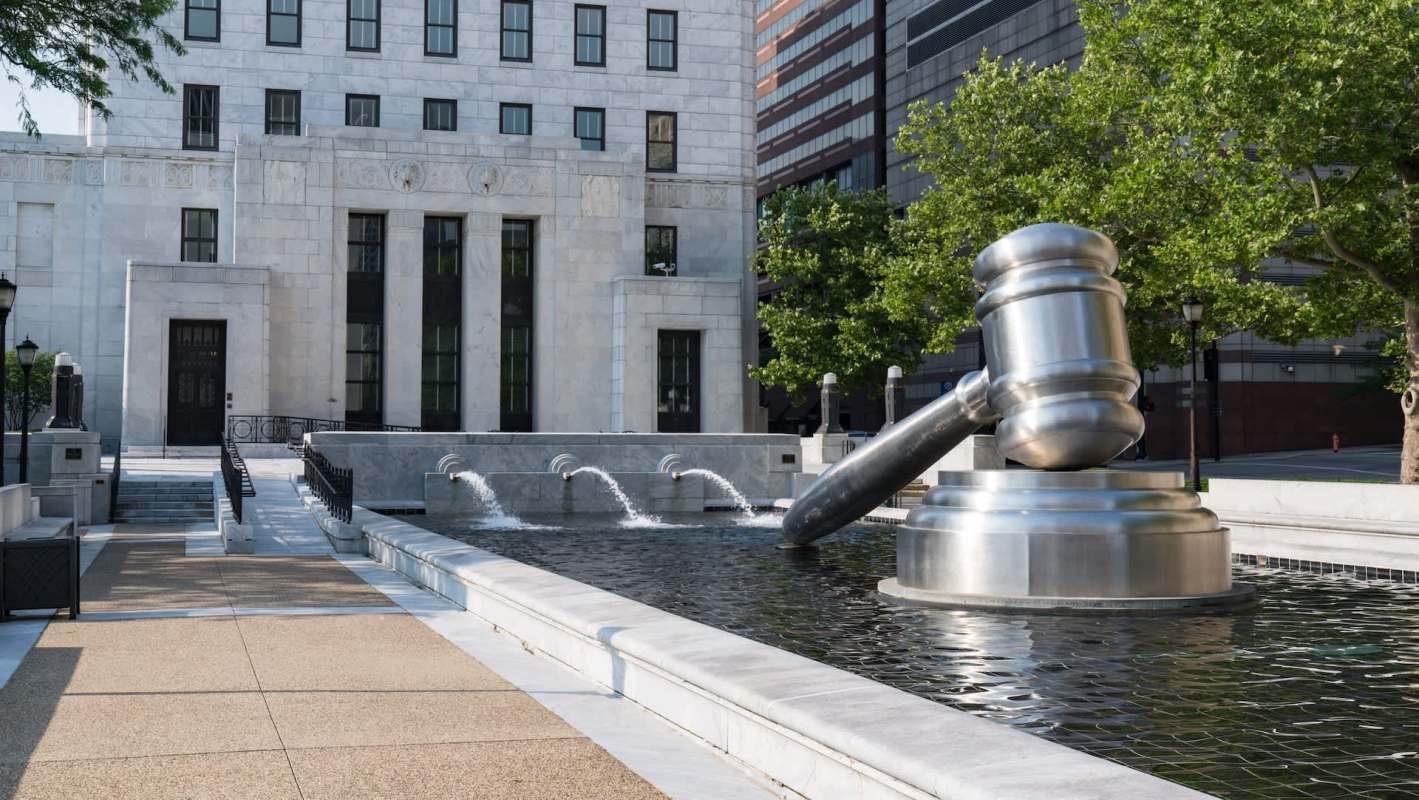
In Madison County, plans for the roughly 6,000-acre Oak Run Solar development lost a key approval after the Ohio Supreme Court threw out its permit, the Associated Press reported.
What happened?
The ruling centered on a missing part of the application. According to the AP, developers did not provide visual renderings showing how the project's substations would appear from public viewpoints.
That gap led a four-justice Republican majority to conclude that the Ohio Power Siting Board should not have signed off on the permit without taking a closer look at the project's visual impact.
Oak Run was expected to generate enough electricity to serve about 170,000 households, per the AP.
The project — backed by Savion, a Shell subsidiary — also included two 150-megawatt battery systems for energy storage, along with an agrovoltaic element that could allow uses such as sheep grazing, beekeeping, and groundcover gardening alongside the panels, the AP noted.
TCD Picks » Quince Spotlight
💡These best-sellers from Quince deliver affordable, sustainable luxury for all




The decision does not necessarily kill the project, but it does send the permit back for another round of review.
The case also highlights the mounting barriers facing renewable developers in Ohio, where local opposition and a 2021 state law have made large wind and solar projects harder to build, according to the AP.
Why does it matter?
Large-scale solar can help stabilize energy supplies, cut pollution, and bring tax revenue and jobs to local communities.
The AP noted that Oak Run's developers said the project would support more than 3,000 construction jobs, create 63 permanent positions, and bring in an estimated $7.2 million in county taxes.
Delays can cost communities economic activity, along with cleaner, more resilient power.
Energy demand is rising, and utilities are looking for ways to add generation without locking in more pollution from sources such as oil, coal, and gas.
Battery storage, in particular, can help fill gaps when the sun isn't shining. Local concerns about views, land use, fire safety, and water increasingly can influence whether clean energy projects get built.
What are people saying?
Chief Justice Sharon Kennedy argued that the project also fell short on water-quality and fire-safety information, the AP reported.
Commenters on the piece expressed frustration about the ruling.
"I wonder how much larger the judges' bank accounts were after this ruling," one reader wrote.
Another user questioned the justification: "If it's in rural farmland, how many people are actually going to see it? Are the township and county officials actually impacted, or is it just a case of NIMBY?"

Get TCD's free newsletters for easy tips, smart advice, and a chance to earn $5,000 toward home upgrades. To see more stories like this one, change your Google preferences here.






