


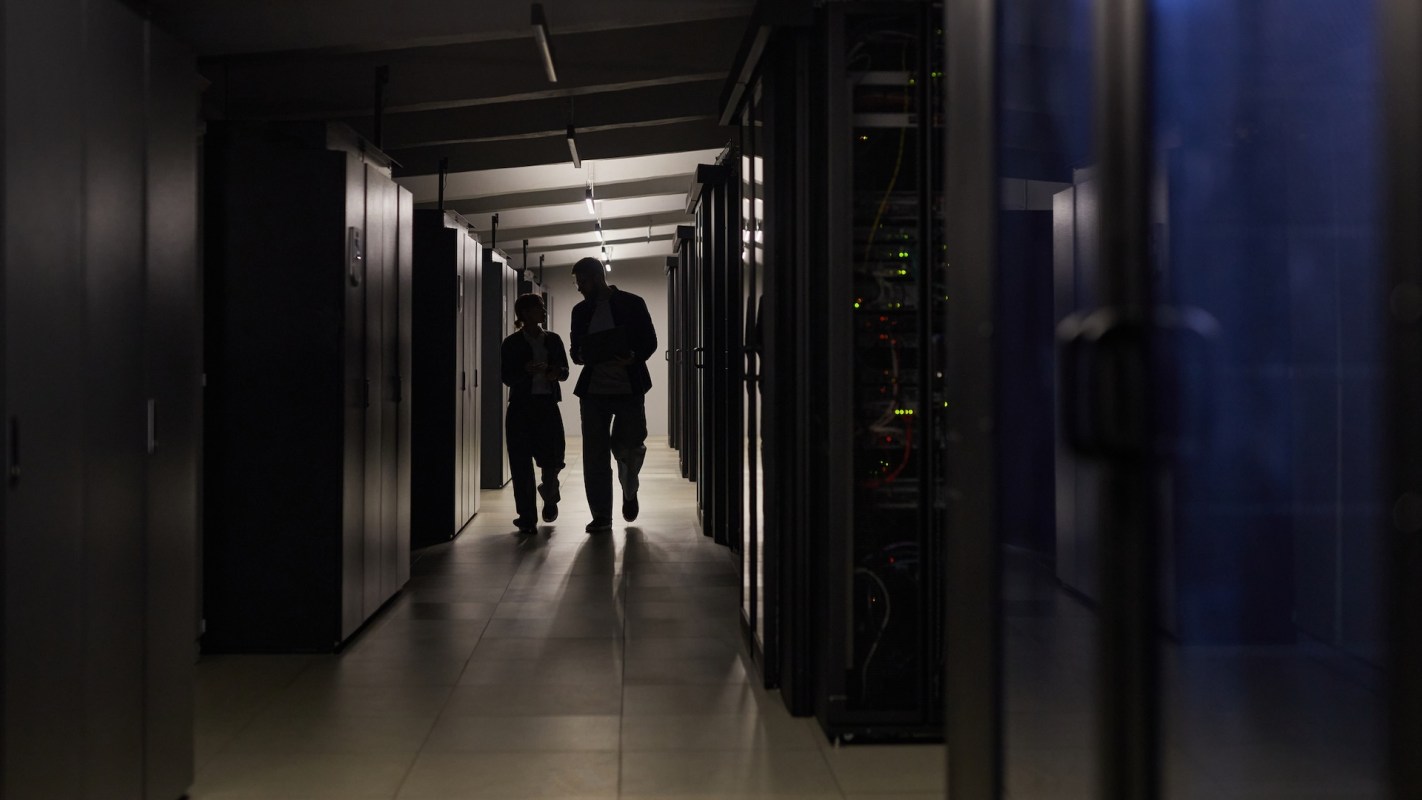
In a shocking turn of events, a hacker claimed to have accessed a key Chinese supercomputer and extracted sensitive data, which the hacker then sought to sell online, CNN reported.
Using the alias FlamingChina, the hacker has posted samples of the allegedly stolen data online. Experts have said that these samples appear to be authentic.
"They're exactly what I would expect to see from the supercomputing center," said Dakota Cary, a cybersecurity consultant at SentinelOne.
The alleged hack exposed potential vulnerabilities in China's digital operations, allowing sensitive information to be stolen over a period of several months, apparently without detection.
The stolen data appeared to contain details about Chinese military hardware, including bombs and missiles.
It is believed that the hacked supercomputer had thousands of clients located across China, according to CNN.
TCD Picks » Quince Spotlight
💡These best-sellers from Quince deliver affordable, sustainable luxury for all




"You would use supercomputer centers for large computational tasks," Cary explained to CNN. "The swath of samples that the sellers put out kind of really speaks to the breadth of customers that this supercomputing center had."
The account FlamingChina was asking for hundreds of thousands of dollars, payable via cryptocurrency, in exchange for the stolen data.
The hackers claimed to have stolen roughly 10 petabytes of data in total. One petabyte is equal to 1,000 terabytes, or one million gigabytes.
Cary said that the methods the hacker claimed to have used to access and extract the sensitive data were not particularly sophisticated. He cast doubts on the strength of China's cybersecurity practices.
|
Which of these savings plans for rooftop solar panels would be most appealing for you?
Click your choice to see results and earn rewards to spend on home upgrades. |
 Save $1,000 this year 💸
 "They've really had poor cybersecurity for a very long time across a wide number of industries and organizations. If you look at what Chinese policymakers say themselves, cybersecurity in China has not been good," he said. "They would say it's still improving at this point in time."
The hack came as China continues to engage in the fierce global competition for dominance in the field of artificial intelligence.

Get TCD's free newsletters for easy tips to save more, waste less, and make smarter choices — and earn up to $5,000 toward clean upgrades in TCD's exclusive Rewards Club.






