


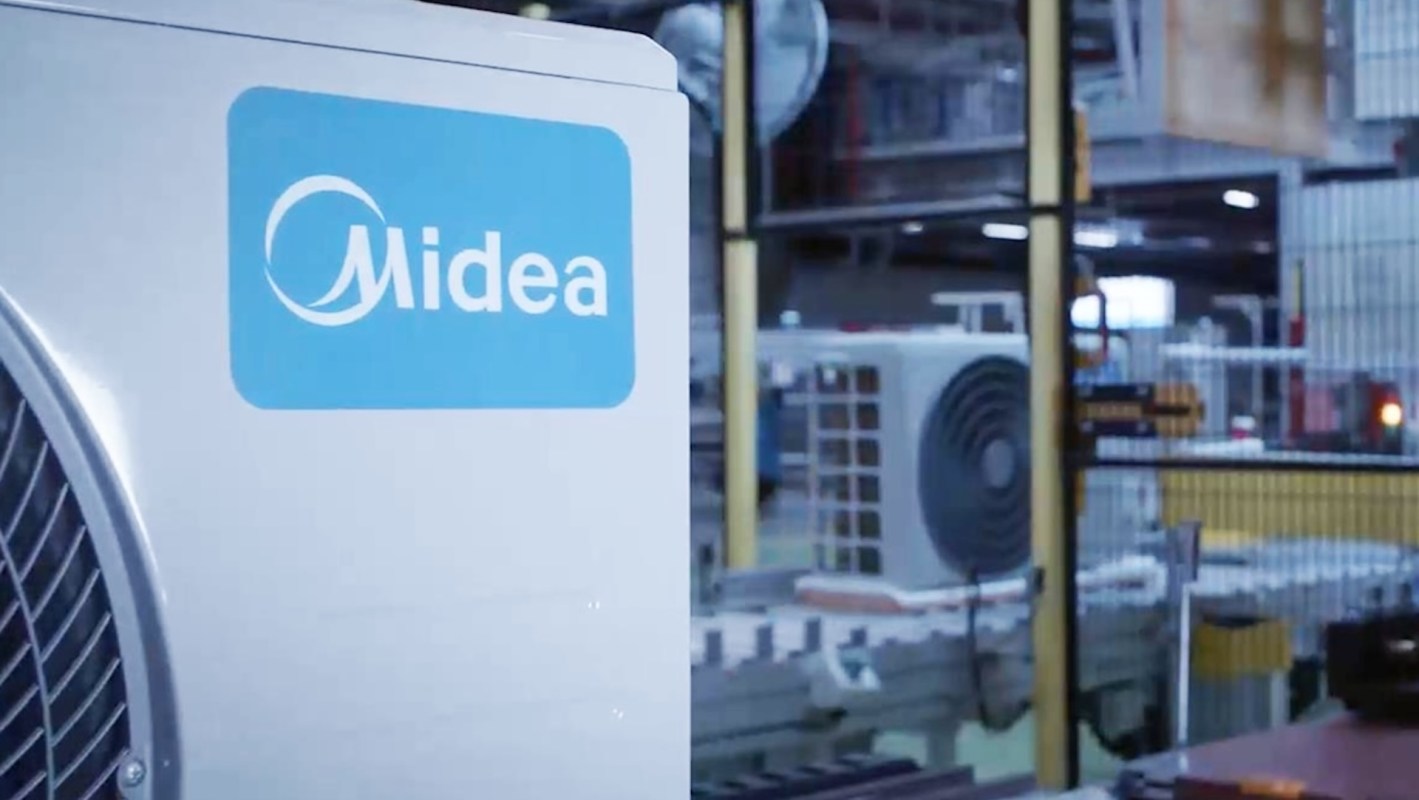
Europe's extreme summer heat is pushing portable air conditioners into the mainstream, as Chinese manufacturers ship more no-installation units to the region, where many older buildings make conventional AC difficult and expensive to install.
Here's what to know
From January through June 2026, Midea Group shipped 200,000 of its no-installation PortaSplit air conditioners to Europe — about double its total for all of 2025, KrASIA reported. The company said it had added another 160,000 orders for the product since June 2026.
That spike came after a late-June heat wave drove temperatures in France and Germany above 104 degrees Fahrenheit (40 degrees Celsius). As people rushed to buy cooling equipment, the PortaSplit reportedly became difficult to find in parts of Europe due to tighter supplies.
The boom also highlights Europe's cooling gap. The International Energy Agency said the region's 2025 AC installation rate was 23%. Many people live in older apartment buildings where drilling through exterior walls is restricted, and even homes without those limits can still face high installation costs and hard-to-book service.
To address that, Midea offered a portable split system priced at about €1,000, or roughly $1,154. The company said the indoor unit rolls on wheels, while the outdoor unit weighs around 22 pounds (10 kilograms) and can be placed outside a window or balcony door.
More background
Other Chinese appliance brands are benefiting too. Hisense Group said its AC sales in France doubled from January to June 2026 compared with the same period in 2025, while its sales across Western Europe rose 20%, according ot KrAsia.
TCD Picks » Quince Spotlight
💡These best-sellers from Quince deliver affordable, sustainable luxury for all




Customs figures show a similar pattern. China's General Administration of Customs said first-half 2026 exports of air conditioner-related products to Europe reached ¥1.4 billion, or about $207.1 million, in both France and the Netherlands — an 80% increase for France and a 60% increase for the Netherlands.
What's being done?
Rather than trying to force standard central or wall-mounted systems into buildings not built for them, manufacturers are developing products tailored to Europe's housing limitations. Midea said its research and development team in China and its design department in Italy spent three years creating the PortaSplit.
Less expensive portable air conditioners were already being sold, usually for €200-300 ($230.80-$346.20). Midea said those cheaper units often delivered weaker cooling and more noise, which made them less practical in severe heat.
KrASIA reported that Europe is also becoming a more important growth market for Chinese appliance makers as demand softens elsewhere. Research firm Beijing All View Cloud Data Technology said China's domestic AC sales fell 6% year over year to 59.67 million units from January to June 2026, while the country's total AC exports declined 9% to ¥113.6 billion, or about $16.8 billion, as shipments to the United States and Russia dropped.
While the upfront price is higher, the unit eliminates the need for professional installation, exterior drilling, and long appointment wait times.
"It all started when our European team grasped the needs and made a proposal," said Zhao Ali, Midea's European product manager for air conditioning. "By selling original products to the market, Chinese companies can break the stereotype of Chinese brands as 'OEM (original equipment manufacturer)' in overseas markets," said Xiong Xueqin, sales director for European residential air conditioners at Midea.
Where can I learn more?
Europe's scramble for portable cooling reflects a widespread change as hotter summers push air conditioning into homes that long went without it. The articles below look at the same pressures, from rising Chinese AC shipments into Europe to newer cooling technologies that could help meet demand more efficiently.
• Across Europe, Chinese air conditioners surge as record heat collides with tight cooling supplies.
• In France and Germany, deadly heat is driving a rapid rethink of air conditioning.
• Scientists are revisiting century-old cooling technology to ease the energy burden of rising AC use.
The stories show how a short-term scramble for relief is giving way to a longer rethink of how Europe cools its homes. That shift also helps explain why portable split systems are moving so quickly from a niche product to a mainstream option.

Get TCD's free newsletters for easy tips, smart advice, and a chance to earn $5,000 toward home upgrades. To see more stories like this one, change your Google preferences here.






