


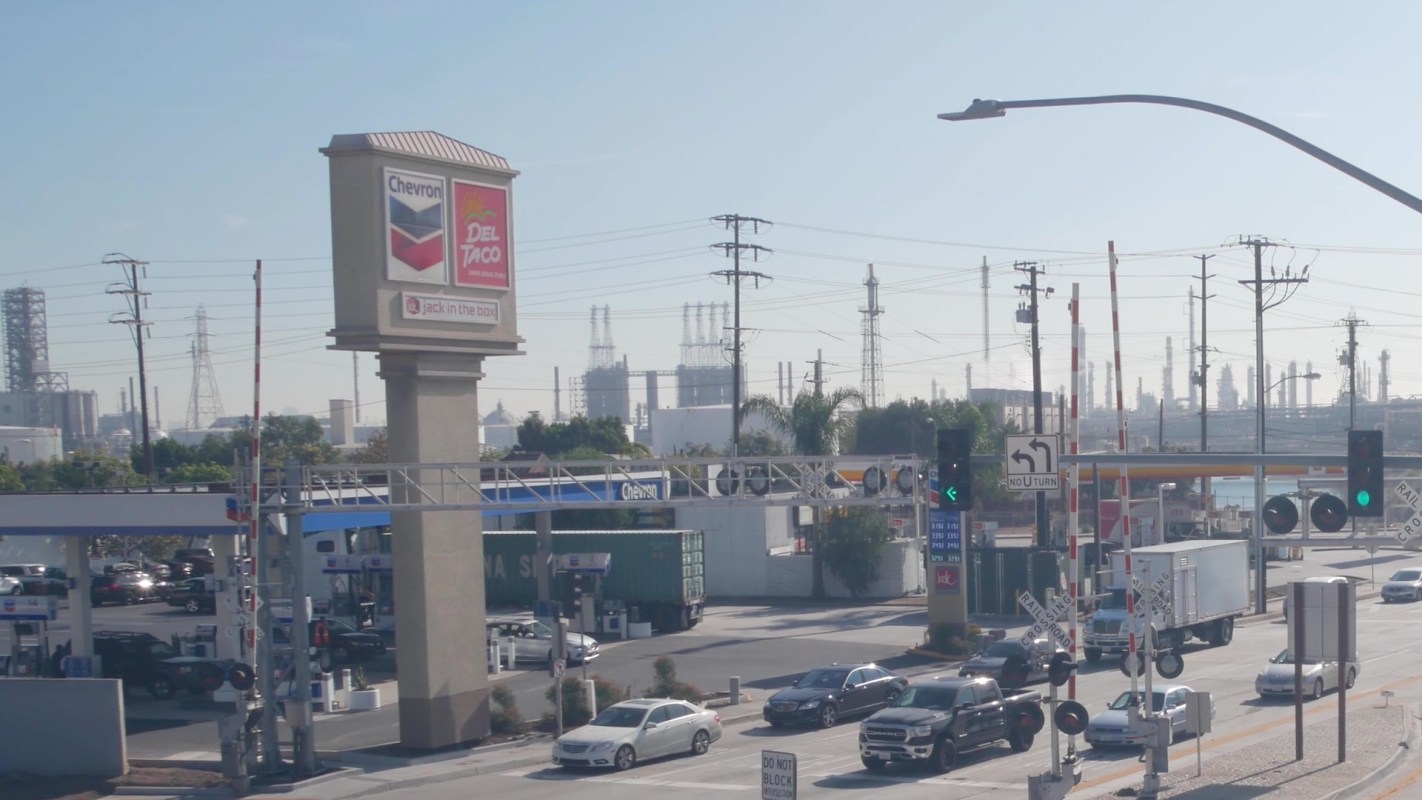
A rotten-egg smell that spread across parts of California's western Contra Costa County prompted 226 complaints to the Bay Area Air District after a Chevron refinery released tens of thousands of pounds of chemicals.
Contra Costa County Hazardous Materials programs reclassified the incident as a "major chemical accident or release," which made additional public notification requirements and an investigation mandatory.
Here's what to know
Roughly 34,000 pounds of hydrogen sulfide escaped from the Richmond refinery's flare stack, along with slightly more than 1,600 pounds of ammonia, during the 42-hour span related to the October 22 incident, according to Richmondside.
Chevron spokesperson Caitlin Powell explained the odor in an emailed statement, disclosing the chemicals involved and the amounts released.
The district said a Chevron monitoring station near Castro Street measured hydrogen sulfide concentrations rising from roughly 3.5 to almost 500 parts per billion.
For comparison, the California Air Resources Board's standard for hydrogen sulfide is 0.03 parts per million, equivalent to 30 parts per billion, averaged over one hour.
TCD Picks » Quince Spotlight
💡These best-sellers from Quince deliver affordable, sustainable luxury for all




More background
The Level 2 designation replaced the initial Level 1 classification assigned by Contra Costa County Hazardous Materials programs.
The county's four-tier community warning system treats the two classifications differently. A Level 2 incident requires phone notifications to all residents and applies to events that may affect the health of "sensitive populations." Level 1, by contrast, poses no public health risk.
Coal and methane gas power plants contribute to air and water pollution linked to asthma, heart disease, cancer, and premature death. Dependence on these fuels can also keep household energy costs high compared with abundant sunlight and wind, while industry lobbying can delay cleaner, cheaper energy solutions.
What's being done?
Chevron is responsible for determining what caused the release through a root cause analysis required by the county's upgraded classification. Separately, Richmondside reported that the Bay Area Air District issued the company a public-nuisance violation notice.
Chevron said its investigation had already begun.
Powell also addressed residents' concerns about the incident.
"We understand the concern that Richmond residents raised about the odor reported October 22. Chevron has been cooperating with regulatory agencies and engaging with community members since the event. We are committed to sharing information," she wrote.
"We are committed to learning from this incident and strengthening safeguards against similar events in the future," she continued.
Where can I learn more?
Residents in other communities have also pressed for answers and accountability over industrial pollution and chemical releases.
• Texas residents sought answers from Marathon after its refinery released 15 tons of pollutants.
• Canada's Metro Vancouver sought $1.2 million from Parkland after refinery haze sickened residents.
• Near Britain's Mersey Estuary, a major refinery breached chemical limits hundreds of times.
• California's Garden Grove toxic tank settlement could provide $100 million to 50,000 evacuees.
• In Massachusetts, residents demanded answers after 24 odor complaints near New Bedford's wastewater plant.

Get TCD's free newsletters for easy tips, smart advice, and a chance to earn $5,000 toward home upgrades. To see more stories like this one, change your Google preferences here.
Cool Picks






