


Environmental advocates say recent moves by Prime Minister Mark Carney's government are undermining Canada's earlier pledge to eliminate "inefficient" fossil fuel subsidies, as Ottawa expands support for oil and gas.
The shift is drawing fresh scrutiny as energy prices remain a concern, public money continues flowing into fossil fuels, and cleaner industries compete for the same investment and policy attention.
What happened?
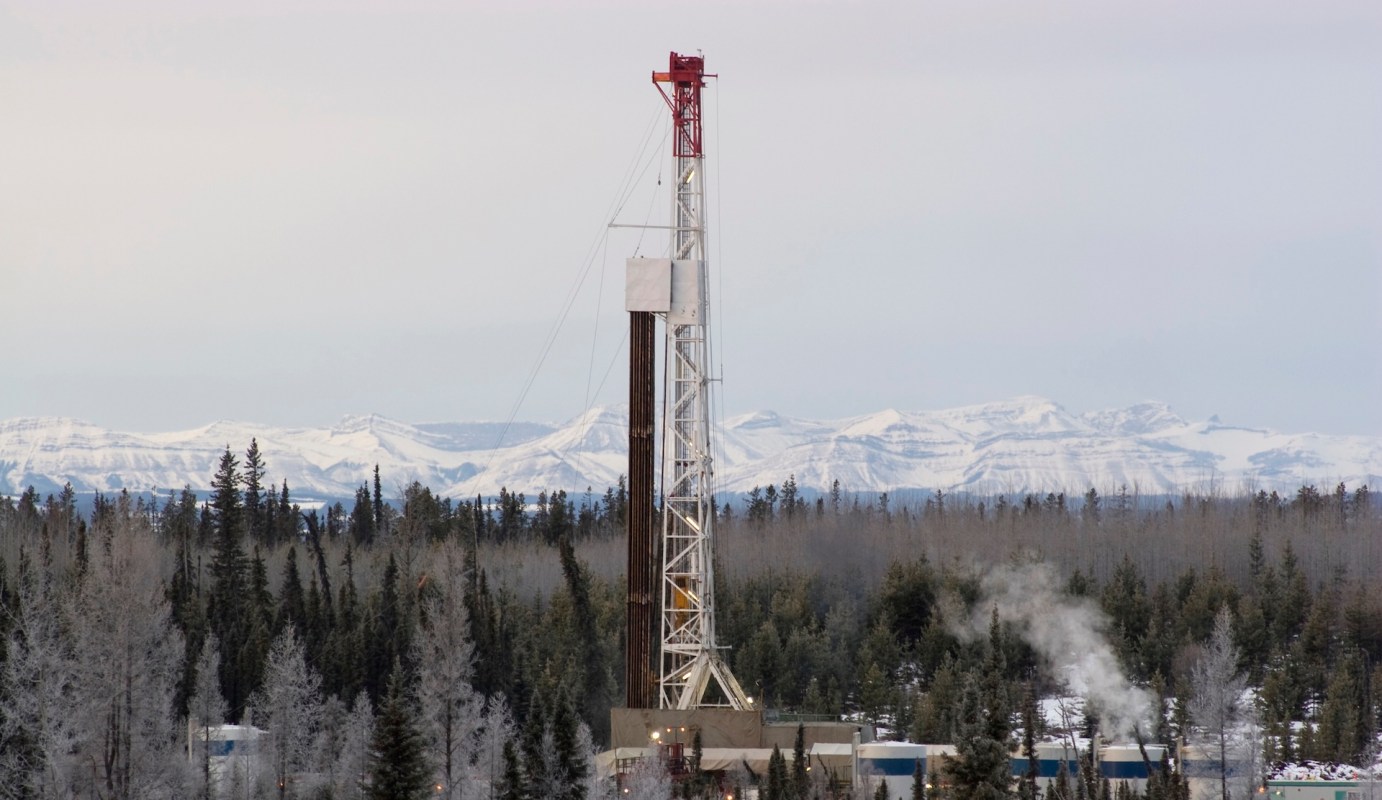
CBC News reported that the Carney government has rolled out a new tax incentive for oil extraction while reviving a lapsed tax break for liquefied natural gas companies, allowing companies to write off assets more quickly for tax purposes.
According to the Parliamentary Budget Office, restoring that tax break will cost Ottawa $362 million over five years. The government is also broadening its carbon capture tax credit to include enhanced oil recovery — a method that injects carbon dioxide underground to increase oil extraction — and even before that change, the credit was projected to cost $12.3 billion, as reported by CBC News.
Nichole Dusyk, who leads Canada's energy transition work at the Institute for Sustainable Development, told CBC News, "We're seeing quite worrying steps backwards." She also said the government is creating "new subsidies, new measures, new vehicles to transfer public dollars to the fossil fuels sector."
The criticism comes even as Ottawa says it still supports a low-carbon economy. John Fragos, press secretary to the minister of finance and national revenue, said, "It's worth reiterating that Canada is the lone country in the world to release a rigorous analytical guide to phase out inefficient fossil fuel subsidies."
TCD Picks » Quince Spotlight
💡These best-sellers from Quince deliver affordable, sustainable luxury for all




Why does it matter?
Public support for fossil fuels can shape everything from tax revenues and household costs to the momentum of the clean energy transition.
When governments direct billions toward oil and gas expansion, that funding can crowd out investment in industries that may offer stronger growth, steadier employment, and better protection against future energy shocks. Not to mention, fossil fuel investments are increasingly seen as financially vulnerable as the global economy shifts toward cleaner electricity, electric vehicles, and more efficient buildings.
In its latest analysis, Environmental Defence Canada estimated federal support for fossil fuels at more than $10 billion — down from over $29 billion in 2024. Meanwhile, Export Development Canada reported $9.3 billion in support for the oil and gas sector, up 22% from the previous year, while disbursing $1.4 billion for solar, wind, geothermal, and battery energy.
What's being done?
Advocacy groups are continuing to monitor where public money is going while environmental organizations argue that loans, tax breaks, and other forms of government-backed financing for fossil fuel expansion should still count as subsidies, even when agencies say the support is being offered on commercial terms.
Export Development Canada said it remains committed to supporting renewable energy and storage. "We're seeing quite worrying steps backwards," Dusyk said.
Julia Levin, associate director at Environmental Defence Canada, put it even more plainly: "The government continues to put a huge amount of our money into projects that are fuelling the climate crisis."

Get TCD's free newsletters for easy tips, smart advice, and a chance to earn $5,000 toward home upgrades. To see more stories like this one, change your Google preferences here.






