


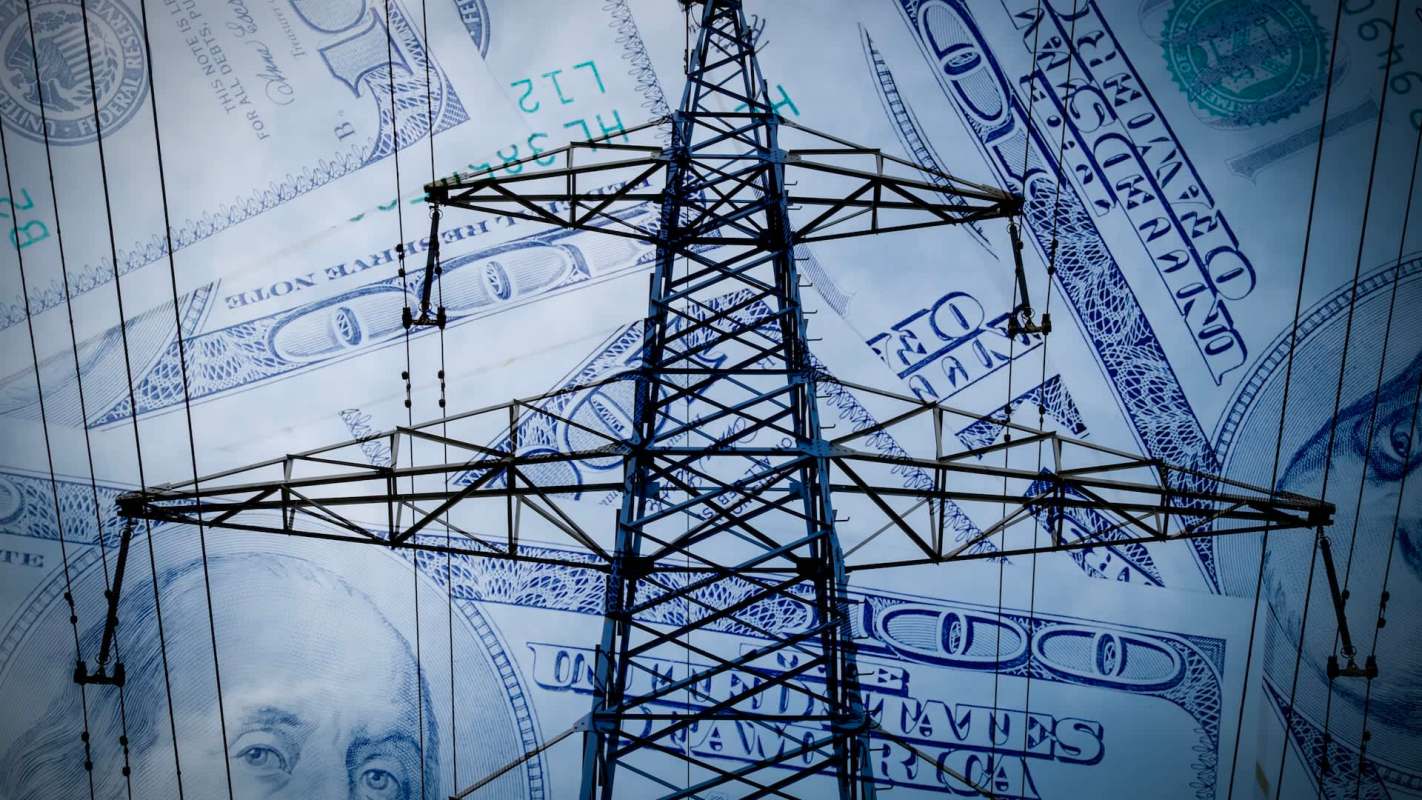
A fresh 2025 analysis has again put California second nationwide for highest electricity costs, pointing to the state's own energy policies as the cause.
Here's what to know
According to the "Blue States, High Rates" analysis from the Institute for Energy Research and Always On Energy Research, California's average retail electricity price was 27.63 cents per kilowatt-hour in 2025 — more than double the national average of 13.63 cents per kilowatt-hour.
The report said California's inflation-adjusted average electricity price has increased 29.9% since 2018, the largest absolute rise of any state. In the 2025 rankings, only Hawaii was higher at 35.72 cents per kilowatt-hour, while North Dakota and Oklahoma were among the cheapest at 8.2 and 9.5 cents, respectively.
To assess what drives rates, the groups said they reviewed six policy areas including renewable portfolio standards, rooftop solar compensation policies, carbon pricing, data center consumer protections, access to natural gas, and utility net-zero goals.
During a webinar, Institute for Energy Research President Tom Pyle said, "A significant chunk of the blue states have higher rates than the national average and a significant chunk of the red states have electricity rates below the national average."
As Always On Energy CEO Amy Cooke said, "Blue States, High Rates captures what we've been saying for years: bad energy policy leads to higher electricity rates."
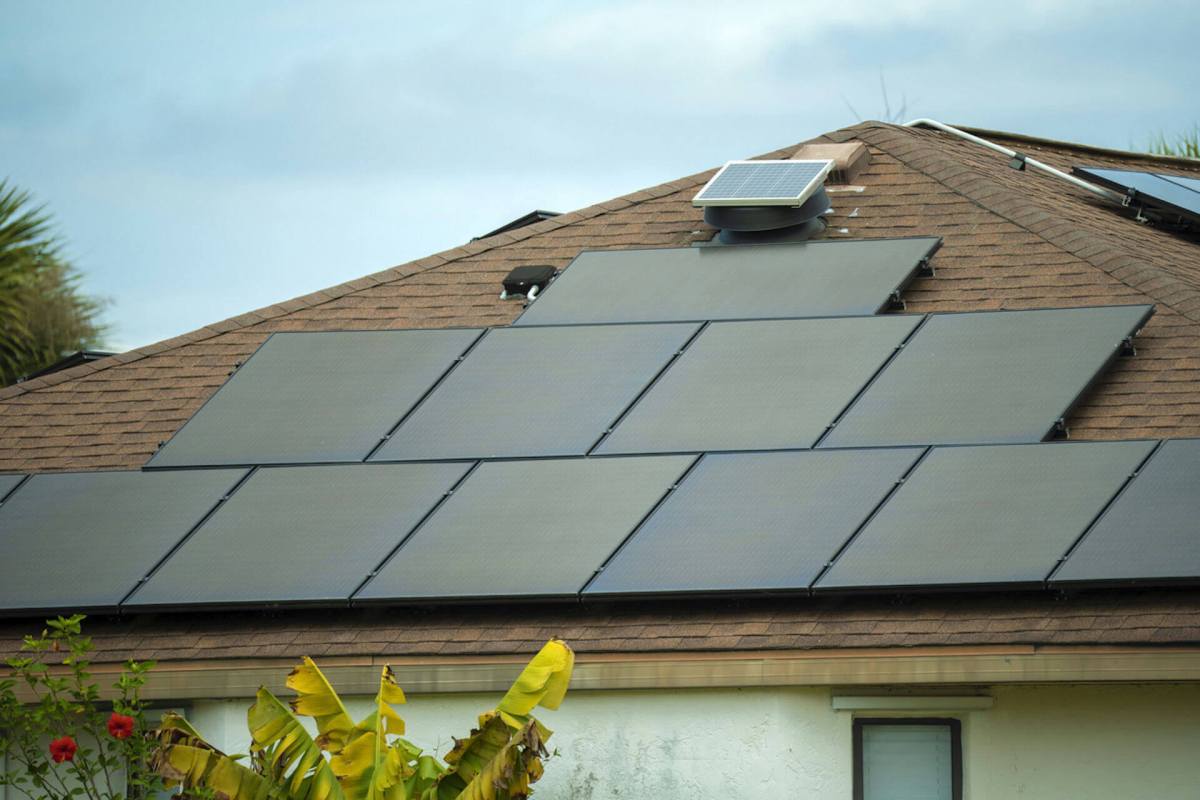
For homeowners looking for relief, going solar is one of the best ways to save money on home energy. Tools such as EnergySage let people get free solar installation estimates and compare quotes before deciding.
More background
In an exchange on X with Governor Newsom, U.S. Energy Secretary Chris Wright wrote, "California has strangled its own oil and gas production as well as its refinery capacity, driving up CA energy prices to 40% higher than the country as a whole."
Save $10,000 on solar panels without even sharing your phone number Want to go solar but not sure who to trust? EnergySage has your back with free and transparent quotes from fully vetted providers that can help you save as much as $10k on installation. To get started, just answer a few questions about your home — no phone number required. Within a day or two, EnergySage will email you the best local options for your needs, and their expert advisers can help you compare quotes and pick a winner. |

California officials and clean-energy advocates say the picture is more complicated than a simple red-state-versus-blue-state comparison.
State leaders have long defended the state's aggressive clean-energy targets, pointing to major reductions in smog and air pollution, particularly in the Los Angeles area. They have also pointed to California's leadership in electric vehicle adoption. In the second quarter of 2026, roughly 1 in 5 new vehicles sold in the state were zero-emission vehicles.
The U.S. Energy Information Administration reported that utility-scale solar output topped natural gas generation in the California Independent System Operator during the first five months of 2026 — the ISO serves about 80% of the state.
The Public Advocates Office reported that average residential rates have climbed 97% for San Diego Gas & Electric customers, 101% for Southern California Edison customers, and 69% for Pacific Gas & Electric customers.
More From EnergySage
💡Go deep on the latest news and trends shaping the residential solar landscape


What can be done?
With prices still elevated, California's energy debate is unlikely to cool off anytime soon.
EnergySage's solar map shows the average cost of a home solar panel system by state, along with details on solar panel incentives for each state. Together, those resources can help homeowners get the best price for rooftop solar panels and access available incentives.
Adding battery storage to a solar setup is one of the best ways to protect your home during outages, save money on energy, and go off-grid. Homeowners can explore EnergySage for information about home battery storage options, including competitive installation estimates.
EnergySage can be especially valuable for anyone trying to make sense of a major home energy purchase. With EnergySage's help, the average person can save up to $10,000 on solar purchases and installations. That kind of savings and quote comparison can make it easier to decide whether solar, batteries, or both fit a household's needs.
Where can I learn more?
These stories take a closer look at what's driving California's high electricity costs — and what could help bring them down.
• Economists say California's recent energy rate hikes could foreshadow what other states face next.
• California utilities warn surging energy bills can add hundreds during the hottest months.
• The Eland project shows how a massive solar-battery project is reshaping California's grid.
• State officials have approved plans to harness California's untapped wind resource offshore.
• The 732-mile TransWest line would send wind energy from Wyoming to California homes and businesses.

Get TCD's free newsletters for easy tips, smart advice, and a chance to earn $5,000 toward home upgrades. To see more stories like this one, change your Google preferences here.






