


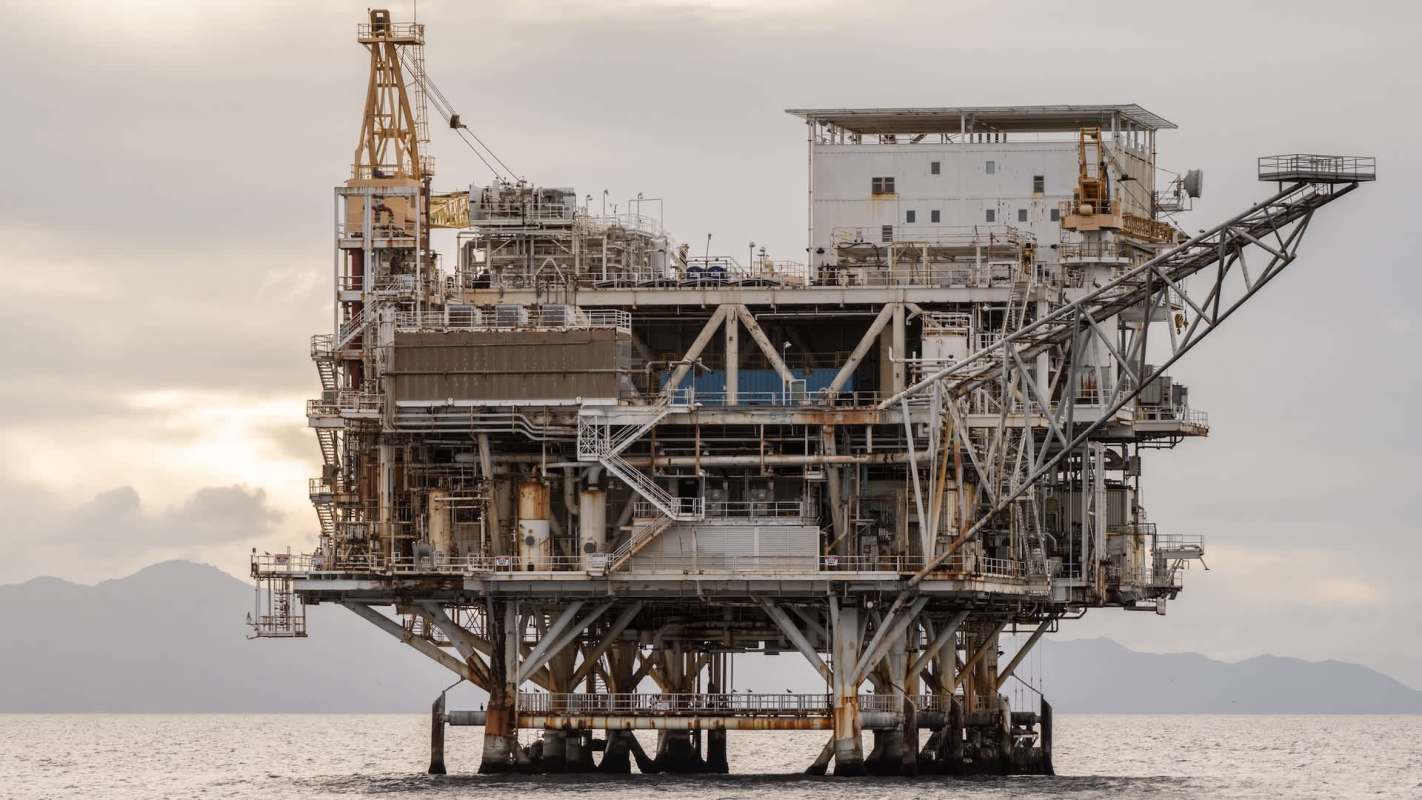
Two August hearings in California could determine whether the state keeps a key role in offshore oil decisions and whether more oil is pumped from the Pacific.
One proceeding will test California's authority over offshore projects in federal waters. The other involves a fracking proposal that could raise production at an aging platform.
What's happening?
According to the Orange County Register, federal and state officials will weigh two major offshore oil disputes, first in Santa Monica on August 10 and then in Santa Cruz on August 13.
The Santa Monica hearing will address whether California should continue using its Coastal Zone Management Act authority to review projects proposed in federal waters off the coast.
If federal officials conclude that California is not complying with that law, the state could lose one of its main tools for opposing offshore drilling, desalination, and other coastal developments.
The Trump administration's offshore leasing plan, meanwhile, includes three drilling zones off California totaling about 125 million acres.
TCD Picks » Quince Spotlight
💡These best-sellers from Quince deliver affordable, sustainable luxury for all




In Santa Cruz, the focus will shift to DCOR's proposal to use fracking at the Gilda platform, about 8.6 miles off Oxnard.
The company says that step could increase production from around 1,100 barrels of oil per day to roughly 4,000.
Grant Bixby, a Newport Beach real estate broker who belongs to the Business Alliance for Protecting the Pacific Coast, warned, "Business is not helped by offshore oil drilling. In fact, a clean ocean is actually one of the most profitable economic resources we have."
Why does it matter?
Tourism, fishing, recreation, and coastal property all depend on California's shoreline, and state estimates say the ocean helps generate about $51 billion in business each year. More drilling could endanger that broader economy, especially in a state that still remembers the 2015 spill near Refugio Beach and the 2021 spill near Huntington Beach.
Environmental groups say the August 10 hearing could help clear the way for new offshore leases by spring 2027 unless courts intervene quickly.
Coastal Commission staff also warned that DCOR's older infrastructure could face added strain from higher-pressure operations and increased oil throughput.
The harms tied to fossil fuels also extend far beyond spill zones. Industry lobbying can further prolong that damage by slowing cleaner energy solutions.
What's being done?
California officials and environmental groups have already begun pushing back.
Coastal Commission staff recommended denying DCOR's fracking request, writing that the company's facilities "have been involved in two of the three most significant offshore spill incidents in the past five years."
On August 6, California filed a formal statement opposing the federal review of the state's coastal oversight.
Governor Gavin Newsom said, "We won't stand by while Trump sidelines the people who rely on and care for California's coast."
The public can still weigh in on the federal review, with online comments accepted through August 22 at czma.california-evaluation@noaa.gov.
Any decision that removes California from the process is still widely expected to face a court challenge.
Donna Kalez, the owner and president of Dana Wharf Sport Fishing and Whale Watching, summed up the stakes this way: "A lot of people don't even think this is going on. But from a coastal business point of view, we're all paying attention. It's a big deal."

Get TCD's free newsletters for easy tips, smart advice, and a chance to earn $5,000 toward home upgrades. To see more stories like this one, change your Google preferences here.






