


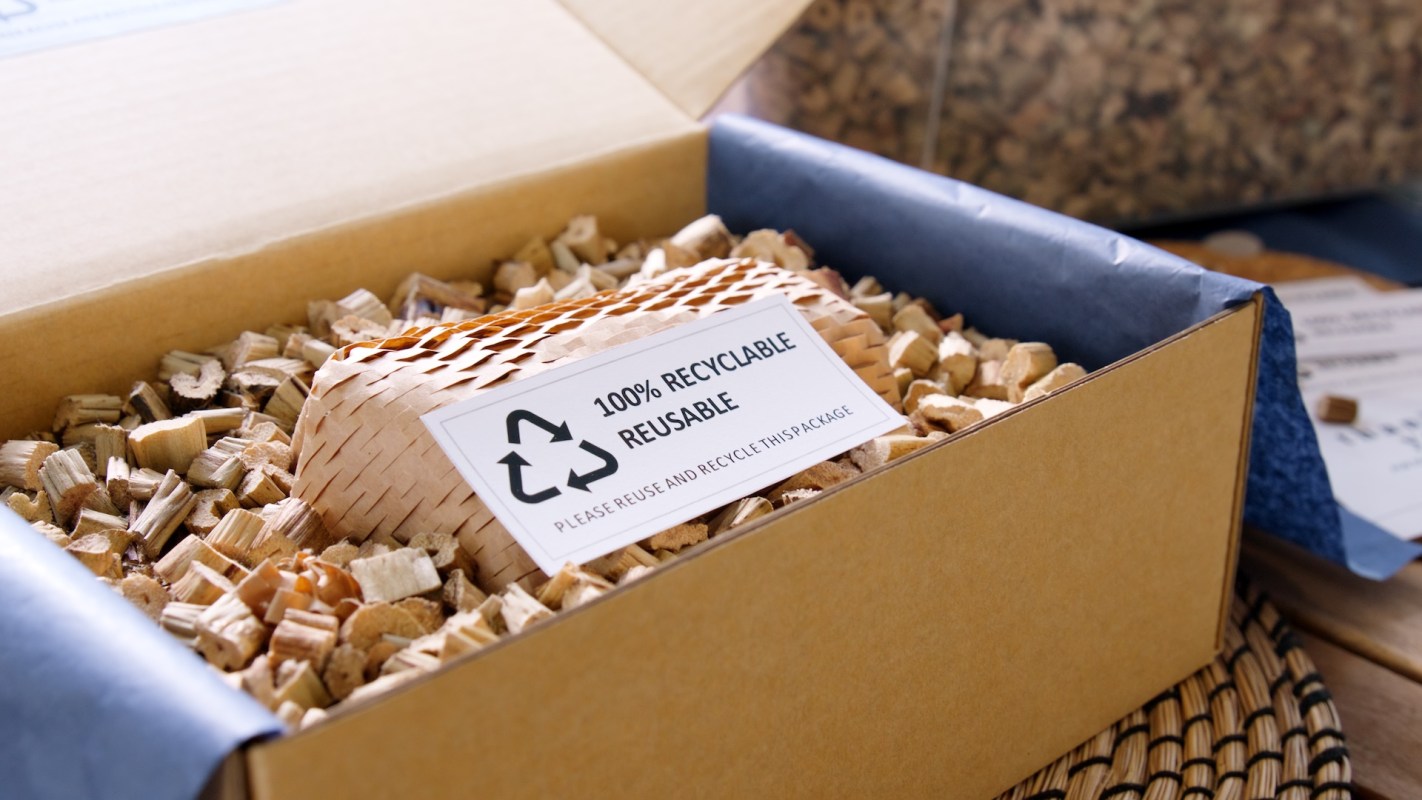
California lawmakers are taking steps to ensure that eco-friendly labels accurately reflect the environmental benefits they promise.
According to a report from Resource Recycling, three bills targeting misleading recycling and compostable claims have now cleared a key legislative deadline, setting up a late-session push before the state's Aug. 31 adjournment.
One of the measures, AB 2253, passed the Assembly 42-19 on May 27 and now heads to the Senate. Known as the Protecting Consumers Against Greenwashing Act, the bill would require companies that advertise recycled content to prove that the recycled material is physically in the product itself.
That would prevent companies from relying on "mass balance" accounting, a bookkeeping approach critics say lets brands market products as recycled even when the specific item a shopper buys may not actually contain the claimed material.
California already applies that standard to plastic food containers, and AB 2253 would expand it to all products.
As Nick Lapis, director of advocacy at Californians Against Waste, put it, according to Resource Recycling: "If a company wants the credit, it should put recycled materials in the product, not hide behind a bookkeeping gimmick."
TCD Picks » Quince Spotlight
💡These best-sellers from Quince deliver affordable, sustainable luxury for all




Two other bills focus on compostable items. SB 1031 would require standardized labels so compostable products are easier to distinguish from regular plastics. It would also direct the Office of Environmental Health Hazard Assessment to examine how broken-down compostable plastics and their additives affect health.
AB 1812 aims to clarify things further, as vague or inflated environmental claims can leave shoppers paying more for products that do not deliver the climate or waste-cutting benefits their packaging suggests.
Starting Jan. 1, 2027, it would ban plastic-containing products from being sold with labels such as "compostable" or "home compostable" unless they qualify for OK compost HOME certification or another CalRecycle-adopted standard.
The stakes also extend beyond the checkout aisle. When noncompostable or confusingly labeled items end up in food-scrap bins, they can contaminate compost streams, raise processing costs, and create headaches for cities and waste operators. Those added costs can eventually trickle down to households.
Public health is also part of the conversation. SB 1031's call for a state study on degraded compostable plastics and additives could help answer questions about what happens when these materials break down under real-world conditions.
All three bills are advancing to the next stage of approval, where lawmakers will decide whether California should impose stricter rules on what companies can say on packaging.
If passed, AB 2253 could give consumers a more reliable way to identify products that contain recycled material. That could reward manufacturers making real investments in recycling instead of relying on marketing claims.
SB 1031 could make sorting easier at home and at composting facilities by standardizing labels, while AB 1812 would draw firmer boundaries around which products can call themselves compostable. Together, the proposals show California trying to reduce confusion in recycling and organics systems.
"Consumers should be able to trust the claims that companies make about their products," Assemblymember Tasha Boerner, author of AB 2253, said, per Resource Recycling.

Get TCD's free newsletters for easy tips, smart advice, and a chance to earn $5,000 toward home upgrades. To see more stories like this one, change your Google preferences here.






