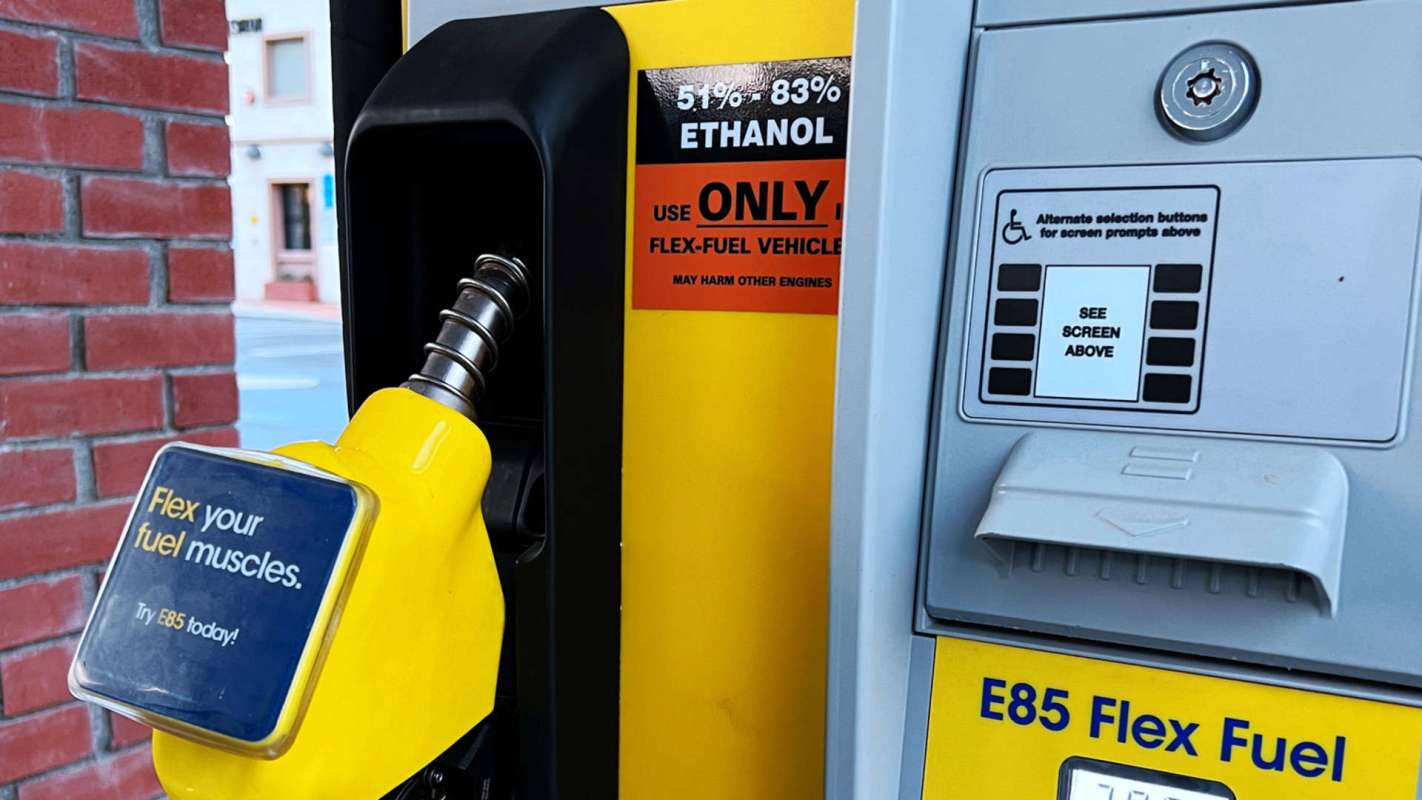
California drivers fed up with painfully high gas prices may be tempted by E85 ethanol fuel.
The fuel is running for about $2.69 a gallon, which is roughly half the price of regular unleaded. However, there is a major catch: That bargain price is not meant for most vehicles on the road.
Here's what to know
Made with a high percentage of ethanol and a smaller amount of gasoline, E85 is not a universal substitute for regular fuel. Only flex-fuel vehicles are designed to use it, and putting it in a car that is not compatible can damage the vehicle, the San Bernardino Sun reported.
Only around 1.3 million of California's 30 million registered vehicles are flex-fuel vehicles.
Even for drivers with eligible vehicles, the lower price at the pump does not always translate into equally large savings overall. E85 generally contains less energy per gallon than regular gasoline, so vehicles often get fewer miles out of a tank.
E85 can still end up being cheaper, but the actual savings depend on the vehicle, the route, and how much lower the price is compared to standard gas.
TCD Picks » Quince Spotlight
💡These best-sellers from Quince deliver affordable, sustainable luxury for all




More background
E85 remains a fairly limited option. Many drivers either do not own a compatible vehicle or may not even know whether theirs qualifies.
Flex-fuel vehicles exist across a range of model years, particularly among some pickups, SUVs, and fleet vehicles, but they still make up a minority of cars on the road.
Even people who own flex-fuel vehicles may not live near a station that sells E85.
Ethanol blends can reduce reliance on pure petroleum and may lower certain tailpipe emissions in some cases. At the same time, they are not a full solution to transportation pollution, and their overall benefits can vary depending on how the fuel is produced and used.
What can be done?
If a vehicle is not labeled as flex-fuel compatible, E85 should not be used.
For those who do have a compatible vehicle, cost per mile matters more than pump prices alone. If E85 is priced far below regular unleaded and a nearby station carries it, the fuel may still deliver meaningful savings despite lower fuel economy.
Drivers looking for relief from gas-price swings can also reduce fuel use in simpler ways, such as combining trips, keeping tires properly inflated, staying on top of routine maintenance, or walking and utilizing public transport more often if possible.
For households thinking ahead to their next vehicle purchase, choosing a more efficient car — or switching to an electric vehicle if it fits their needs — can help reduce both fuel spending and tailpipe pollution over time.

Get TCD's free newsletters for easy tips, smart advice, and a chance to earn $5,000 toward home upgrades. To see more stories like this one, change your Google preferences here.