


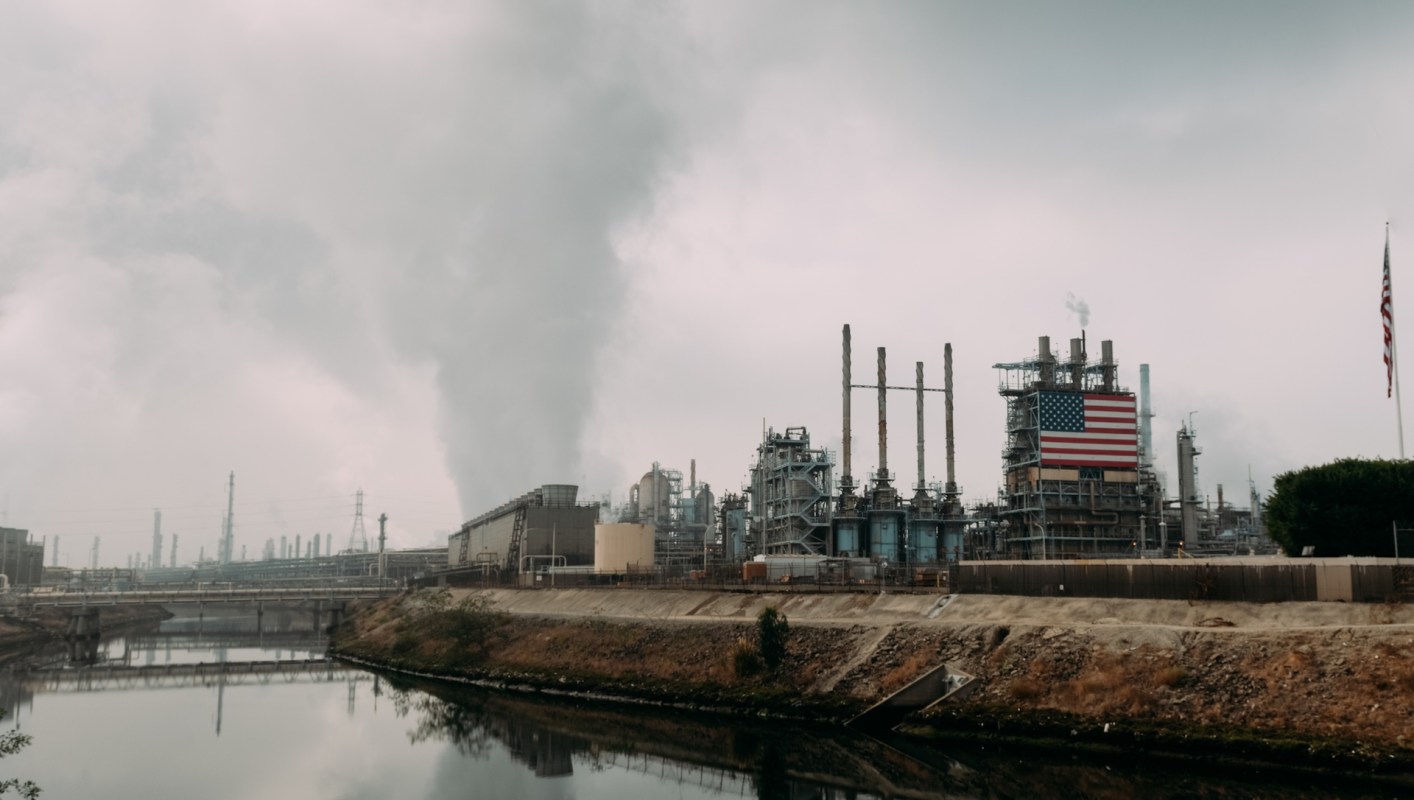
California regulators are weighing a controversial proposal that critics say could give major polluters, including oil refineries, up to $4 billion in free emissions permits, even as the state insists it must accelerate climate pollution cuts.
The debate is shaping up as a key test of whether California can keep fuel prices stable without weakening one of its central climate policies.
According to KPBS, the California Air Resources Board is scheduled to consider the plan on May 28 as part of updates to the state's cap-and-invest program. The system requires major companies to buy permits for every ton of pollution they release.
Under the proposal, refineries, cement plants, and other heavy industries could receive free allowances if they commit to cleaner operations, including efficiency upgrades and transitions toward lower-emission energy sources.
The new pool of free permits could total 118.3 million, which regulators say matches the amount of emissions reductions needed to stay aligned with the state's 2030 climate target.
The proposal comes as two refineries have closed in the past six months, while average gasoline prices climbed above $6 per gallon during recent oil-market volatility tied to the Iran conflict.
TCD Picks » Quince Spotlight
💡These best-sellers from Quince deliver affordable, sustainable luxury for all




It also follows aggressive industry lobbying. Oil and gas interests spent $10.3 million in Sacramento in just the first three months of the year, led by groups including the Western States Petroleum Association and Chevron.
Environmental advocates argue the plan could significantly weaken the state's climate "backstop" mechanism — the carbon pricing system designed to ensure emissions decline over time.
"We are really concerned that this would significantly kneecap the program," said Chloe Ames, a policy adviser with NextGen Policy, according to KPBS.
California's carbon market currently generates billions of dollars annually for climate and community programs. Under the proposed changes, that revenue could fall from about $4 billion to roughly $2 billion per year.
That decline could mean less funding for transit expansion, affordable housing near public transportation, wildfire prevention projects, safe drinking water infrastructure, and local air quality monitoring in pollution-impacted communities.
A UC Santa Barbara analysis also found that the proposal could reduce Californians' utility Climate Credit by as much as $1.7 billion, potentially affecting household energy bills.
Critics argue the broader issue extends beyond state budgets. They point to the environmental and health impacts of continued extraction of oil, coal, and gas, which contribute to extreme weather, wildfire risk, and long-term pollution tied to asthma, cardiovascular disease, cancer, and premature death.
They also note that pollution burdens are often concentrated in lower-income communities located near refineries and industrial corridors, raising concerns about environmental justice and long-term health disparities.
At the same time, many households are still grappling with high energy costs, while oil companies continue reporting substantial profits.
Supporters of stronger regulation argue that delaying emissions reductions ultimately increases long-term costs for both the economy and public health.
State officials, however, say the proposal is designed to balance climate goals with energy affordability, especially as California continues to rely heavily on gasoline.
Rajinder Sahota, a California Air Resources Board official overseeing the program, said the permits would be temporary, limited, and tied to verified investments in cleaner operations and efficiency improvements.
Gov. Gavin Newsom's administration has also defended the broader revisions, arguing they are necessary to maintain stability in the carbon market as refinery closures raise concerns about fuel supply and price volatility.
Some lawmakers agree, saying the adjustments reflect growing pressure to keep energy affordable for consumers.
Still, opposition is intensifying. State Sen. John Laird has warned that the proposal could conflict with climate funding commitments established in previous legislative agreements.
Independent analysts have also raised concerns that some facilities could receive more free allowances than their actual emissions would justify, potentially diluting the program's overall impact.
"If the funding is cut off, then convening groups of people on a monthly basis — that goes away," said Eddie Ahn, executive director of Brightline Defense, according to KPBS. "It means frontline communities get disconnected from environmental policy."

Get TCD's free newsletters for easy tips, smart advice, and a chance to earn $5,000 toward home upgrades. To see more stories like this one, change your Google preferences here.






