


California is taking a tougher approach to some of the fastest-growing dangers in the waste stream, from discarded batteries that can trigger destructive fires to landfill heat events that can create persistent problems for regulators and nearby communities.
Here's what to know
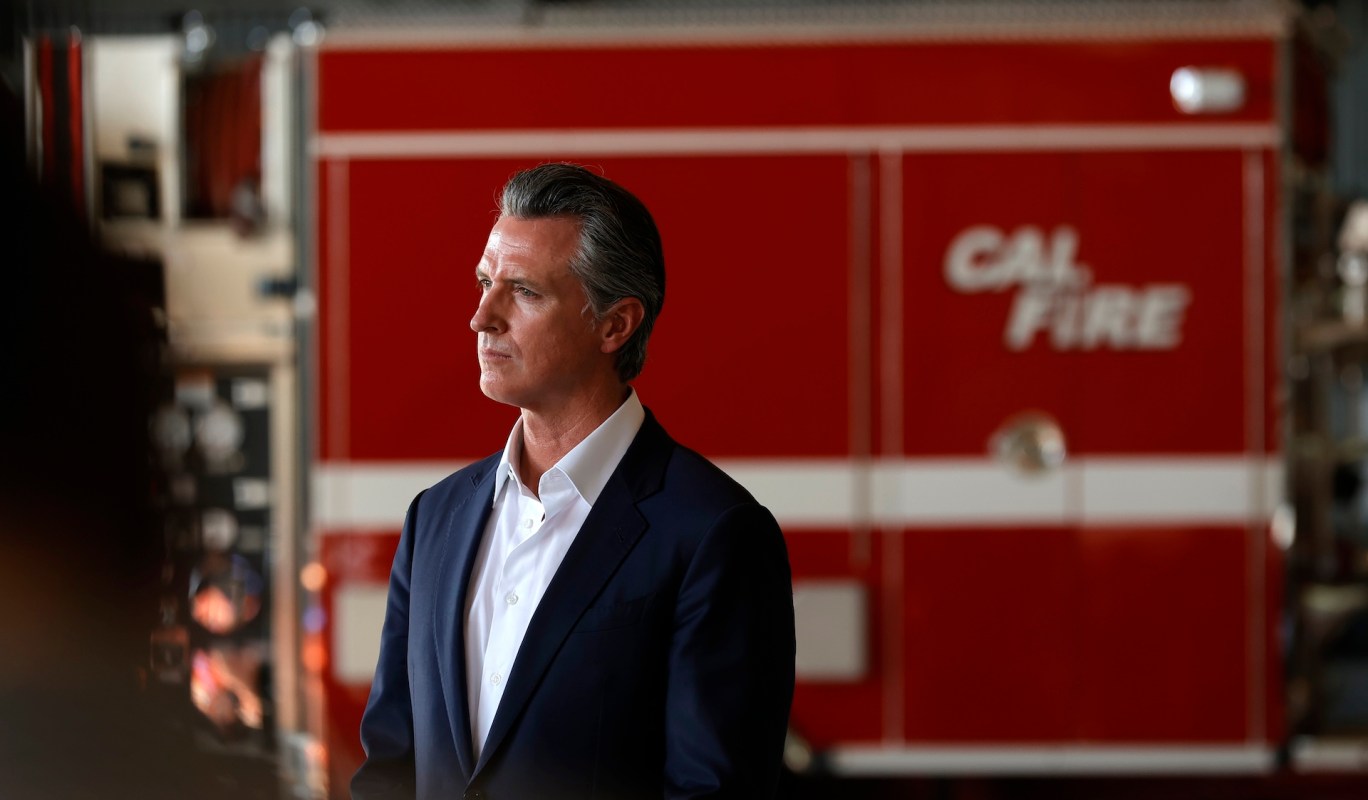
A new slate of laws signed by Gov. Gavin Newsom targets both issues, while also updating parts of the state's bottle bill system and tightening restrictions on nitrous oxide sales.
Under SB 501, California is broadening the Responsible Battery Recycling Act of 2022 to cover medium-format batteries, Waste Dive reported. That means companies making batteries for products like e-bikes and lawn equipment must take part in a product stewardship program.
Fire risk is a major driver of the change. Batteries can ignite when they are damaged or thrown away improperly, creating hazards in garbage trucks, transfer stations, and recycling facilities. An August analysis of the bill pointed to several expensive California truck and facility fires that may have involved batteries.
AB 28 targets landfill temperature incidents in the wake of the widely watched problems at Waste Connections' closed Chiquita Canyon Landfill. Elevated subsurface temperatures have affected that site since 2022, causing ongoing trouble for regulators and nearby residents.
Newsom also signed SB 936, which adds restrictions on nitrous oxide container sales, along with SB 955 and AB 2481, two bills that update parts of California's bottle bill program, including rules affecting reverse vending machines, supermarkets, and glass quality incentive payments.
TCD Picks » Quince Spotlight
💡These best-sellers from Quince deliver affordable, sustainable luxury for all




More background
Battery-related fires have become a growing challenge across the country as more people rely on devices and equipment powered by rechargeable lithium batteries. When those batteries end up in household trash or standard recycling bins, they can be punctured, crushed, or overheated during collection and processing.
Fires at waste and recycling facilities can interrupt local collection services, raise operating costs, and expose workers and nearby neighborhoods to smoke and other hazards. Expanding producer responsibility programs could help create clearer systems for safe battery collection and disposal.
Landfill heat events come with a different but equally serious set of concerns. At Chiquita Canyon, the prolonged subsurface heating problem has drawn attention to how difficult these incidents can be to control once they begin.
California's bottle bill and nitrous oxide changes also reflect practical pressures within the waste system. Waste and recycling companies supported the nitrous oxide measure because of operational concerns, including safety risks and the logistical burdens it creates for household hazardous waste programs.
What's being done?
SB 501 brings more battery makers into a stewardship framework, shifting some responsibility for safe end-of-life management to producers instead of leaving local governments and waste companies to manage the risks on their own. In practice, that could help expand dedicated battery collection options for products that are becoming more common in homes and garages.
With AB 28, CalRecycle gets a more defined process for responding to landfill temperature problems. When a subsurface elevated temperature event happens, the agency can order corrective action plans and impose fines as high as $100,000 for certain violations.
The measure also tells CalEPA to create a multiagency coordination group. It further adds requirements tied to monitoring and community impacts.
Where can I learn more?
Waste problems extend beyond California as fire risks increase and available storage space shrinks.
• In California, an unforeseen threat forming in open landfills is straining climate and economic resources.
• Colorado just required automakers to take back old EV batteries for free when retired.
• In Oregon, officials passed a law targeting a concerning problem at major landfills as methane worries mounted.

Get TCD's free newsletters for easy tips, smart advice, and a chance to earn $5,000 toward home upgrades. To see more stories like this one, change your Google preferences here.






