


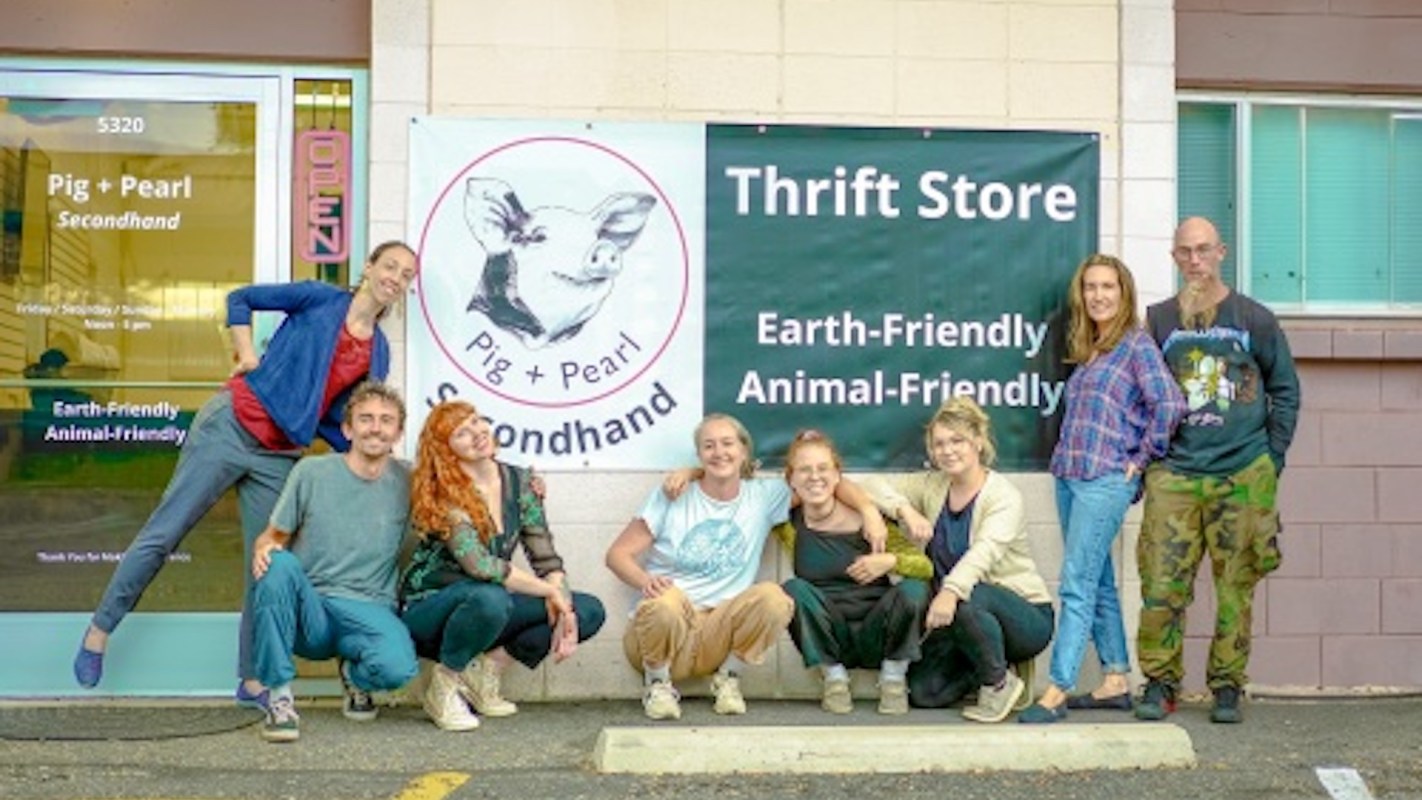
A family reportedly burst into tears after learning the bedding, sheets, and other finds in their cart for a child's birthday room makeover would cost no more than $7 each at a local thrift store.
The moment, as reported by The Colorado Sun, reflects a growing tension in secondhand shopping: As thrifting becomes trendier, truly low prices are becoming harder to find.
At Pig + Pearl Secondhand in Boulder, Colorado, owner Jennifer Greany said she watched a family carefully compare donated home goods as they shopped for a birthday surprise. When they reached the register and realized the store's prices were still extremely low, tears of joy came.
According to ThredUp's Resale Report, prices for secondhand clothing have risen 40% over the last five years.
Capital One Shopping research indicates the secondhand retail market will reach $56 billion in 2025, up 14.3%.
Experts say broader economic inequality is part of the story.
TCD Picks » Quince Spotlight
💡These best-sellers from Quince deliver affordable, sustainable luxury for all




University of Colorado professor Shawn Swanson said the highest-earning 10% are responsible for about half of consumer spending, reflecting a so-called "K-shaped economy" in which wealthier households continue spending while others struggle to cover basic needs.
Pig + Pearl has tried to push back against that trend by pricing donated clothing at about $1 to $3 per item, even after years of setbacks, including a forced move and road construction that slowed customer traffic.
For many people, thrifting is one of the simplest ways to save money on everyday necessities, from children's clothes to furniture and housewares. It can also give shoppers access to rare or high-quality items at steep discounts.
If prices keep climbing, one of thrifting's biggest public benefits could begin to erode.
"When something becomes trendy, you have these people with a little bit more money demanding the same clothes that would otherwise go to the homeless and push up prices," Swanson said, per The Colorado Sun. "Poor people have less ability to cope than rich people."
There is also an environmental benefit at stake. Buying used helps keep wearable clothing and usable home goods out of landfills while reducing demand for new production.
A low-cost comforter or pair of jeans can free up more budget for rent, groceries, or a child's birthday.
Some thrift stores are still trying to keep prices grounded even as costs rise. Greany said Pig + Pearl uses online auctions and volunteer support to help maintain low everyday prices in-store while also supporting animal rescue organizations.
Other mission-driven stores are taking similar approaches.
Lynn McCullough, a longtime leader of TRU's retail operations, said that lower prices and higher sales volume can generate more support for TRU's hospice and memory care programs than pricing shoppers out.
Goodwill, meanwhile, says its model is designed to balance affordability with funding for job training and other community services.
Greany's approach suggests thrift stores do not necessarily have to choose between community impact and sustainability — but preserving both may require intentional pricing.
"We see the families that have to make those tough decisions," Greany said. "If you can make a kid's birthday and lower your price by a couple bucks, let's just keep the prices low."

Get TCD's free newsletters for easy tips, smart advice, and a chance to earn $5,000 toward home upgrades. To see more stories like this one, change your Google preferences here.






