


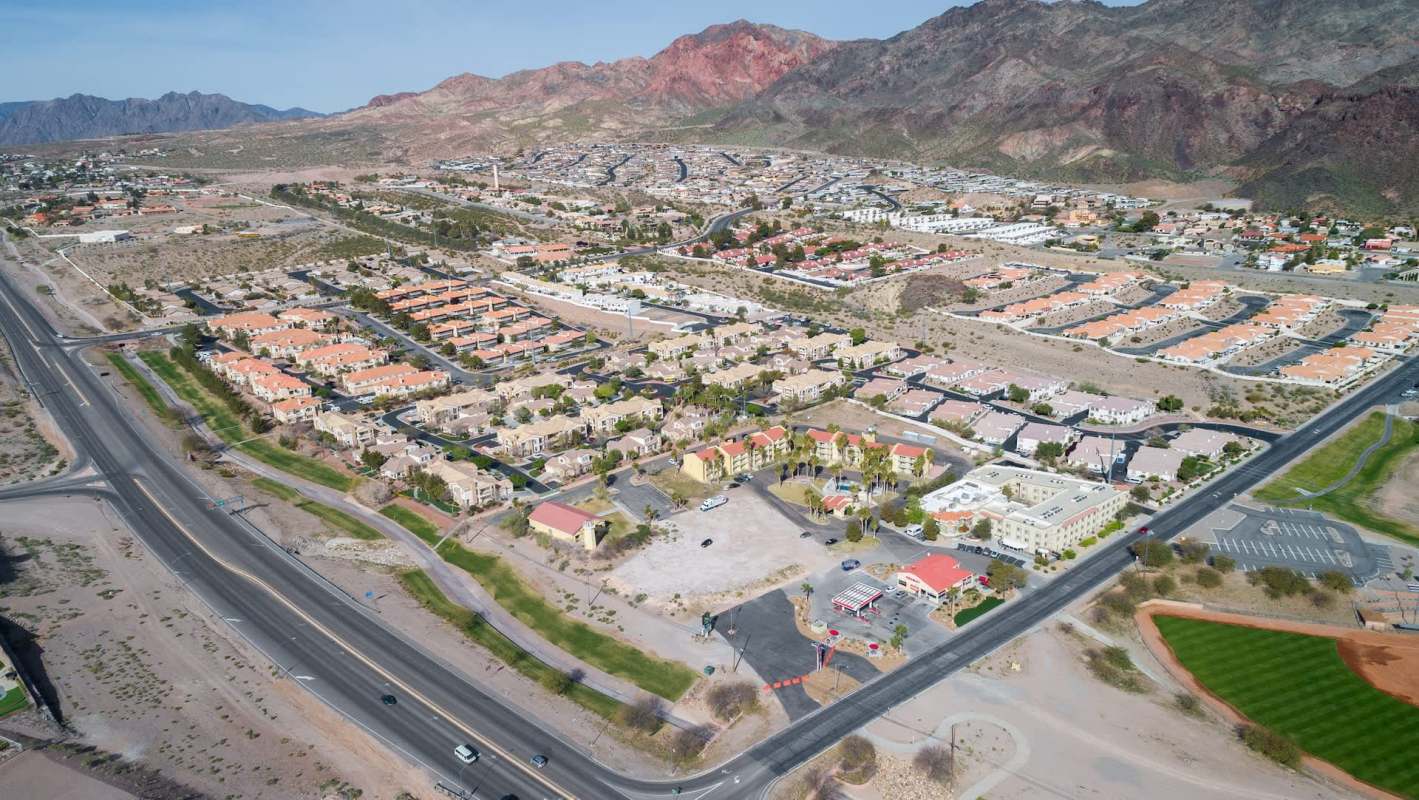
Some Nevada residents could soon be paying higher utility rates for the next three years, according to the Las Vegas Review-Journal.
On July 23, Boulder City officials proposed increases in electric, water, and wastewater rates by as much as 5% annually. This could put more pressure on households already stretched thin by their utility bills.
What's happening?
If city leaders approve the proposal, Boulder City could collect up to $1.458 million in additional revenue each year from utility charges during fiscal years 2027 through 2029, the Las Vegas Review-Journal reported.
Before proposing the increases, the city commissioned the FSC Group to complete a "comprehensive utility plan and rate study," and the Boulder City Utility Advisory Committee later reviewed that work.
Of the projected annual increase in revenue, about $393,000 would come from water rates, roughly $94,000 from wastewater rates and the largest share — $925,000 — from electric rates.
The city said each utility would use the added money for different needs: water revenue would help address an operating fund deficit, wastewater revenue would back capital projects, and electric revenue would pay for capital work and other reliability needs, according to the Las Vegas Review-Journal.
TCD Picks » Quince Spotlight
💡These best-sellers from Quince deliver affordable, sustainable luxury for all




Why does it matter?
A 5% increase repeated over three years would drive up costs for residents.
Higher electricity, water, and wastewater costs can leave less room in household budgets for groceries, medication, transportation, or home improvements. However, while companies can use profits to pay for infrastructure upgrades, municipal utilities may not have that luxury, so a rate hike is the only way to pay for the necessary changes.
Aging infrastructure is also expensive to maintain, and delaying repairs can lead to even higher costs later.
What's being done?
Boulder City is presenting the proposal as part of a planning process rather than as a one-time increase. Officials said the rate hike plan emerged from the utility study and advisory committee review as the city plans for how to keep critical systems operating in the coming years.
The city has also opened a formal public comment period, giving residents a chance to weigh in before any changes are finalized. Locals have until Aug. 13 to do so.

Get TCD's free newsletters for easy tips, smart advice, and a chance to earn $5,000 toward home upgrades. To see more stories like this one, change your Google preferences here.







