


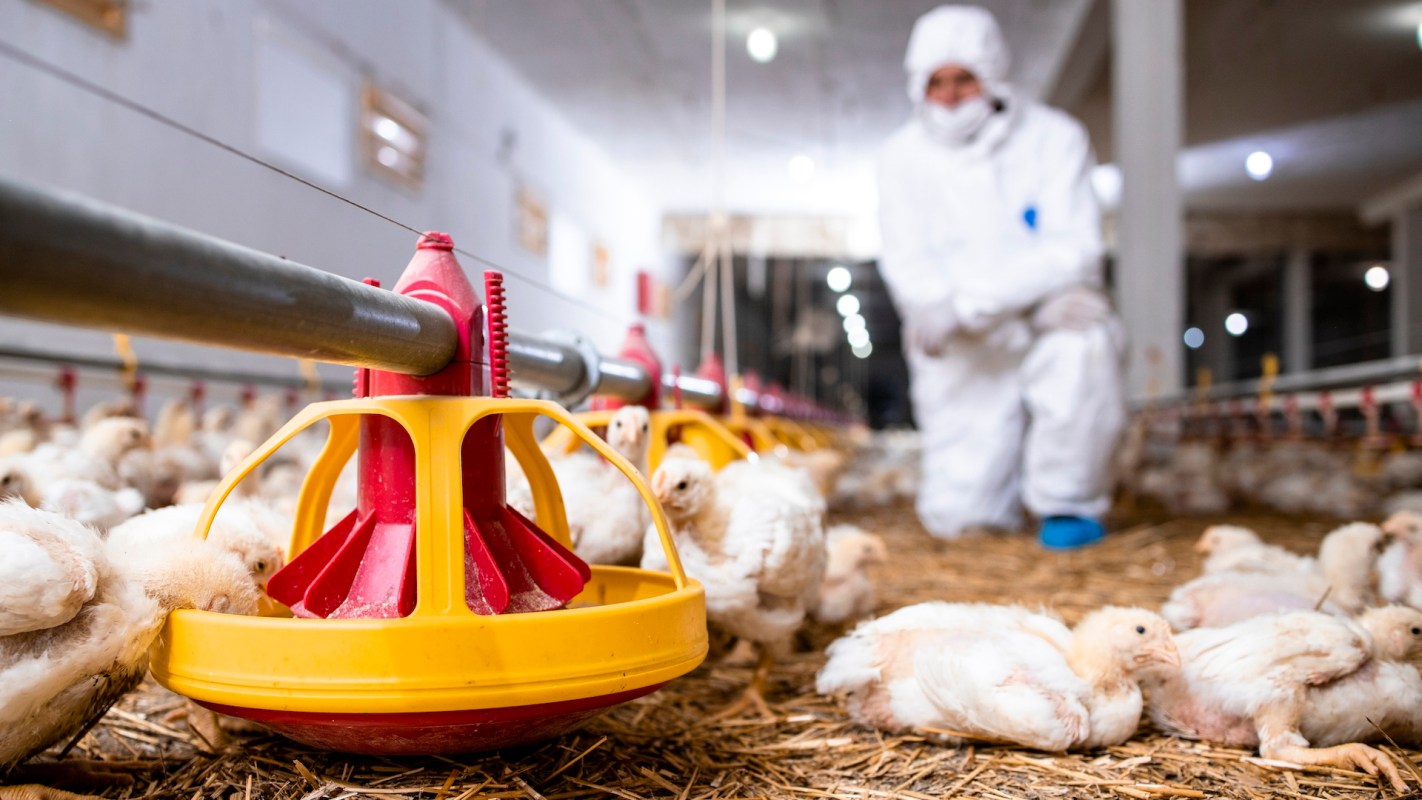
Another wave of bird flu cases in commercial poultry flocks could soon be reflected at the checkout line for shoppers in Dallas-Fort Worth, Medical Daily reported.
As summer approaches, newly reported infections in commercial flocks across 12 states could continue to put pressure on egg and poultry prices.
What's happening?
A June update from the U.S. Department of Agriculture's Animal and Plant Health Inspection Service listed fresh H5N1 detections in commercial poultry flocks in 12 states. The findings show the avian influenza outbreak that has hit U.S. poultry operations since 2022 is still active in 2026.
Because many of the affected operations are in the Midwest and South, the spread matters for supply chains that serve major Texas metros, including Dallas, Fort Worth, and Houston. The newly affected flocks include laying hens, broiler chickens, and turkeys.
According to Medical Daily, when an outbreak is confirmed, the birds in that flock have to be culled, pushing the number lost in this outbreak cycle to more than 100 million.
Dallas-Fort Worth shoppers have already dealt with higher egg prices since late 2024, along with occasional disruptions affecting some poultry products. The USDA's Economic Research Service says big flock losses typically show up in retail egg prices about six to eight weeks later.
TCD Picks » Quince Spotlight
💡These best-sellers from Quince deliver affordable, sustainable luxury for all




Why does it matter?
For most consumers, this is primarily a cost and supply issue rather than a food safety emergency.
No human infections have been linked to properly cooked food, and health agencies say the risk from those products is very low.
Affordability remains the bigger concern. When large commercial flocks are lost, grocery budgets get squeezed, restaurant menu prices can rise, and staples such as eggs become more expensive for households that rely on them regularly.
That pressure can be especially difficult in large metro areas, where demand stays high even as supply tightens.
What's being done?
The U.S. poultry industry is still relying on a "stamping out" strategy, which involves depopulating infected flocks and tightening biosecurity measures to limit spread, Medical Daily reported.
While that approach has not eliminated the outbreak, it has helped prevent the kind of widespread endemic transmission seen elsewhere.
Federal monitoring is also continuing. USDA and APHIS update maps of affected operations weekly, and the USDA's Food Safety and Inspection Service continues to test processing facilities for H5N1.
Those systems maintain routine oversight of the consumer food supply.
Choosing fully cooked egg dishes when eating out, using pasteurized eggs for recipes that call for less-cooked eggs, and trying lower-cost alternatives can help reduce hassle and protect budgets.
For shoppers looking to stretch grocery dollars amid volatility, exploring plant-based food options may also offer some flexibility when egg and poultry prices spike.

Get TCD's free newsletters for easy tips, smart advice, and a chance to earn $5,000 toward home upgrades. To see more stories like this one, change your Google preferences here.






