


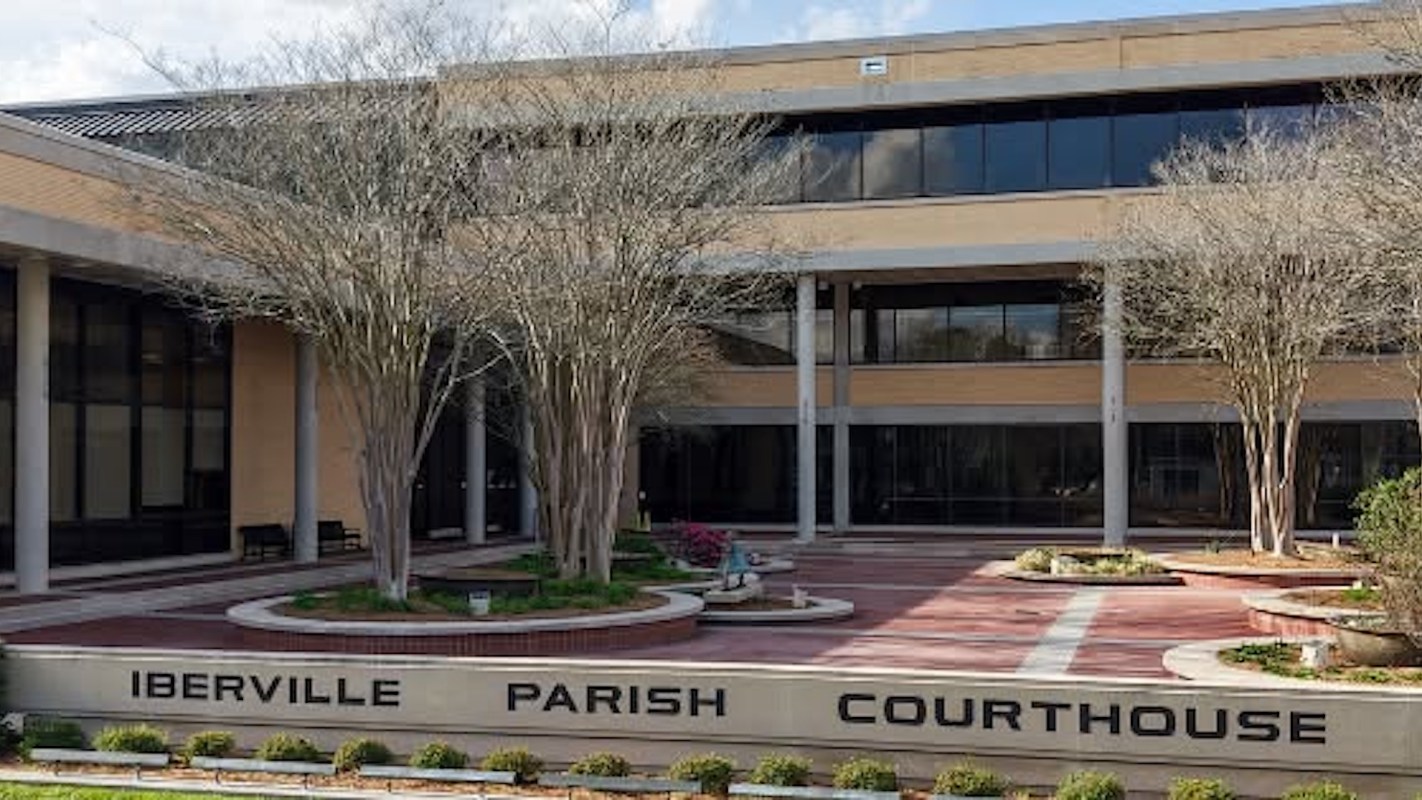
In Louisiana, a governing a parish long known for welcoming energy development has approved a two-year moratorium on industrial battery storage projects in the area. This move from the Iberville Parish Council comes after months of resident opposition over fire risks and distrust of developers.
What happened?
Following resident objections, the Iberville Parish Council approved the two-year moratorium in a unanimous vote, largely due to fears about fires and skepticism toward developers.
According to The Advocate, the council's decision is likely to postpone several planned battery energy storage system, or BESS, projects in Iberville Parish. Two companies had indicated interest in building facilities that use large arrays of lithium-ion batteries to store electricity from renewable sources, natural gas generation, and the wider grid.
For months, public opposition had focused on the risk of lithium-ion battery fires. Residents also questioned whether the companies involved could be relied on to build and operate the sites safely, per The Advocate.
The vote highlighted a broader issue for local governments as battery storage expands. Some officials are being asked to regulate a technology they have little experience permitting or overseeing. In Iberville, that uncertainty contributed to a decision to stop new development for two years instead of moving ahead.
Why does it matter?
Battery storage plays a major role in helping utilities balance demand, reduce waste, and make better use of wind and solar energy. When those projects are delayed, efforts to build a grid that can better withstand extreme weather, peak demand, and power disruptions can be slowed as well.
TCD Picks » Quince Spotlight
💡These best-sellers from Quince deliver affordable, sustainable luxury for all




To help lower outage risks, improve reliability during heat waves, and support cleaner electricity over time, investing in more resilient energy infrastructure can help. A lengthy pause in new storage capacity could make it harder for communities to access those benefits.
However, residents want assurance that new infrastructure will not put nearby homes, schools, or waterways at risk. When public trust, safety planning, and local oversight do not keep pace with investment, the transition to cleaner energy can stall.

Get TCD's free newsletters for easy tips, smart advice, and a chance to earn $5,000 toward home upgrades. To see more stories like this one, change your Google preferences here.






