


A rapid move toward electric vehicles is reshaping Australia's car market. Lower-cost Chinese models are attracting buyers who want more technology and better value.
That change is putting some of the country's most established brands under strain, including Toyota, Volkswagen, and Mazda, and it looks increasingly like a lasting shift in consumer behavior.
What's happening?
In a YouTube video, The Electric Viking (@ElectricViking) said several long-established automakers are now posting sharp sales declines in Australia.
According to the video, Toyota is down 21%, Mazda 17%, Mitsubishi 25.7%, and Volkswagen's 2025 sales have fallen 21% after a 17% drop in 2024.
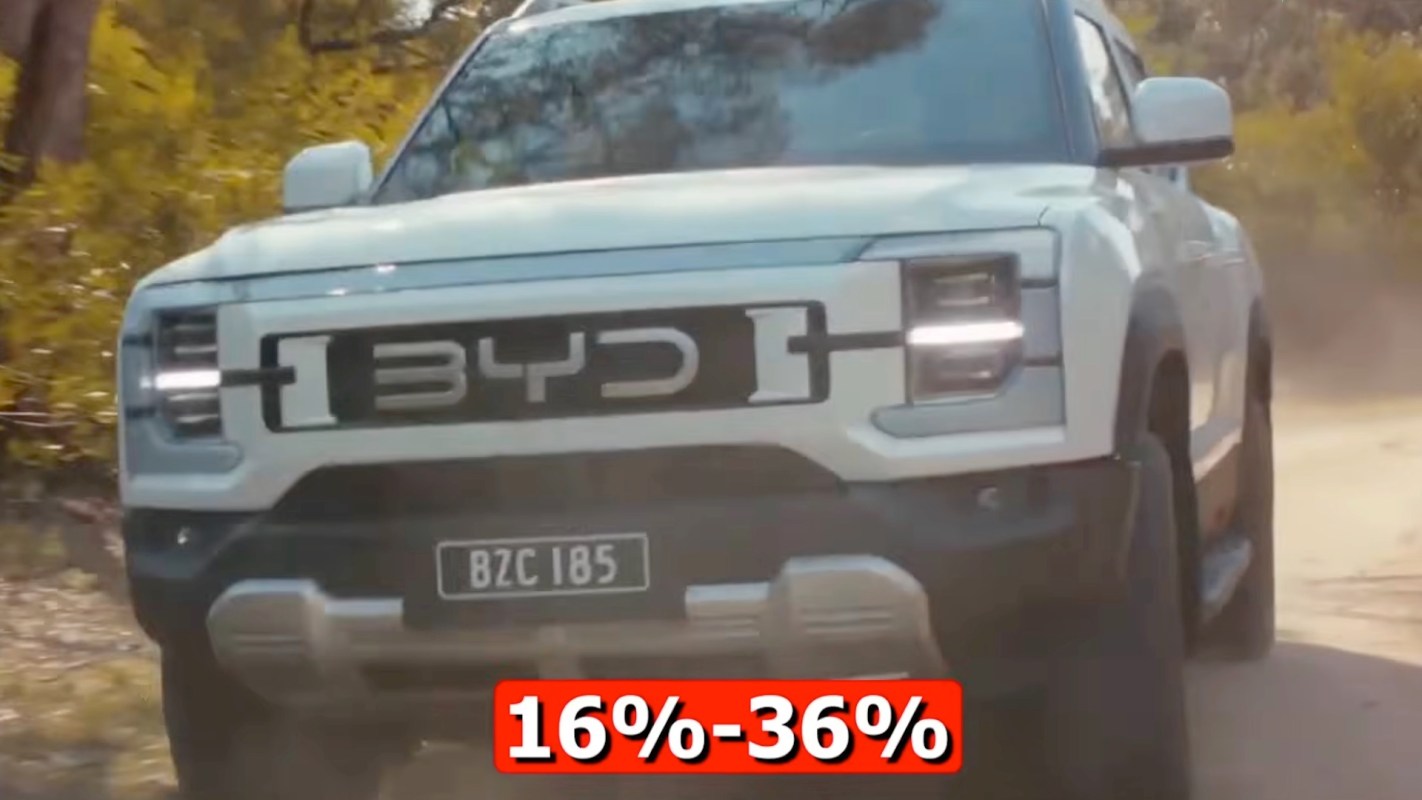
The same report says plug-in vehicles grew from 16% of the market in January to 36% by June 2026 when plug-in hybrids are included.
It also notes that Chinese automakers now represent seven of Australia's 20 best-selling brands.
TCD Picks » Quince Spotlight
💡These best-sellers from Quince deliver affordable, sustainable luxury for all




The Electric Viking described the upheaval as "a really crazy fast, just an absolute transformation" and argued that "the electric disruption. It's hitting everyone."
One commenter wrote, "Oo all people have to do is drive an EV for a week and realize the difference. A huge game changer."
Why does it matter?
The pattern appears to reflect a deeper change in what Australian motorists are looking for, not just a routine sales dip.
Lower-priced EVs offering long warranties, more in-car tech, and reduced fueling expenses are putting pressure on the brand loyalty that once benefited legacy manufacturers.
The Electric Viking says Fiat has left the Australian market, after Citroen and Infiniti had already exited, and adds that other brands have been shutting showrooms.
If more companies keep losing momentum, buyers could face growing concerns about future servicing, access to parts, and resale values.
According to the video, Peter Jones, chief executive of the Victorian Automobile Chamber of Commerce, warned that smaller players are especially exposed: "If you actually look at the market share and you look at anything under 5%, they're the ones who are at risk."
So the issue is not simply who can offer the lowest upfront price, but which brands can remain viable and keep supporting owners over time.
What's being done?
The video argues that traditional automakers are being pushed to move faster on EVs as customers gravitate toward cheaper rivals with stronger equipment lists.
That could work in buyers' favor if the result is lower pricing, better warranty terms, and stronger after-sales support.
The Electric Viking also says the Australian government has responded to fuel-security concerns by arranging additional petrol and diesel supplies and temporarily cutting the fuel excise.
Even so, the overall direction still appears to favor electrification, especially for households that can charge at home or use rooftop solar.
For many shoppers, monthly payments may be only part of the decision, alongside warranty protection, charging availability, service coverage, software capabilities, and confidence that the brand will remain in the market.
A dealership managing director summed it up this way, according to the video: "These aren't isolated decisions. They're evidence that Australia's automotive market has fundamentally changed."

Get TCD's free newsletters for easy tips, smart advice, and a chance to earn $5,000 toward home upgrades. To see more stories like this one, change your Google preferences here.






