


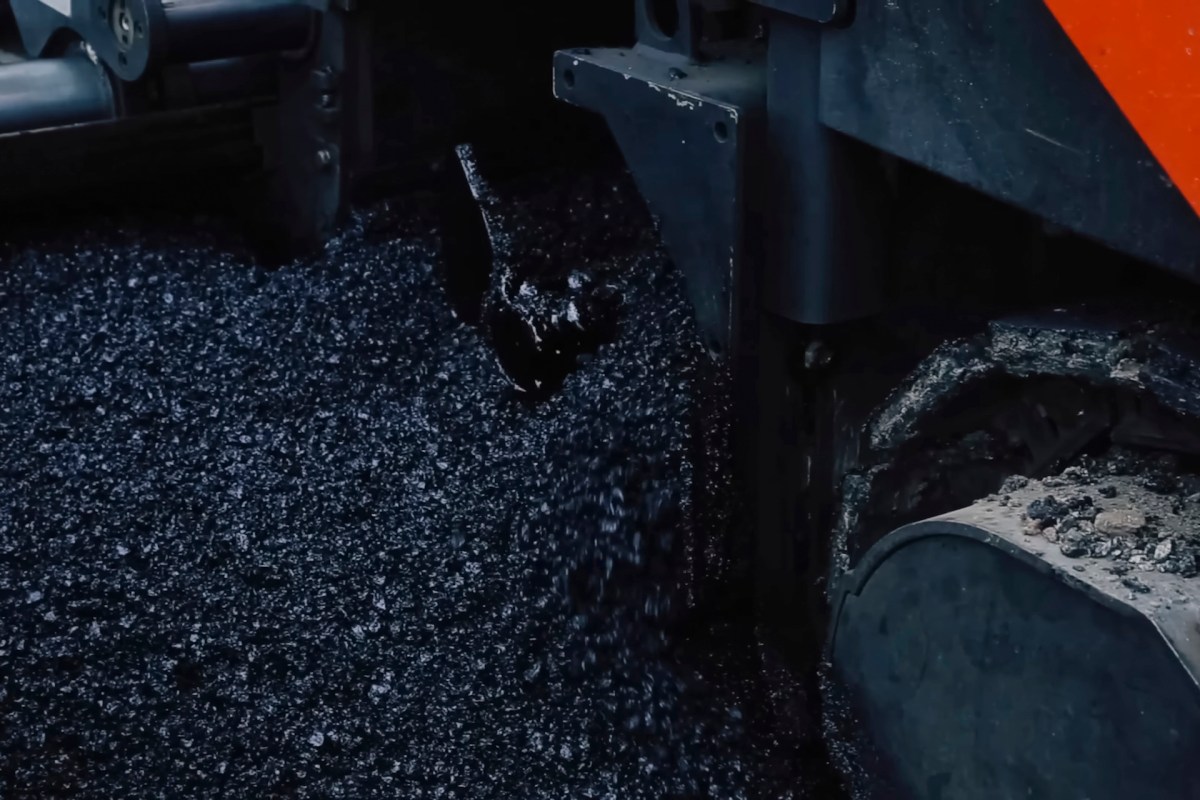
A proposed asphalt plant in Lafayette County has cleared one of its biggest hurdles after Mississippi regulators approved key environmental permits for the facility despite months of public opposition from residents concerned about pollution, traffic, and impacts on nearby neighborhoods.
What happened?
The Oxford Eagle reported that the Mississippi Department of Environmental Quality Permit Board unanimously voted Tuesday to grant Magnolia Materials air permit coverage and stormwater permit coverage for a hot mix asphalt plant in Lafayette County's Max D. Hipp Industrial Park.
For Magnolia Materials, which is owned by JWM Development, the decision is a major regulatory victory. The proposed plant would cover nearly 23 acres, disturb about 13.7 acres during construction, and produce up to 500,000 tons of asphalt each year.
The June public hearing on the project drew dozens of residents who argued against it. Among the concerns they raised were air pollution, water contamination, increased truck traffic, and potential impacts on nearby neighborhoods and businesses.
Even with those objections, MDEQ staff recommended approval because it found the project complied with applicable environmental rules. State law limits the agency to environmental compliance questions, rather than to broader matters such as zoning, land use, or whether nearby residents want the project there.
Why does it matter?
Industrial projects such as asphalt plants can expose a gap between what regulators permit and what nearby residents consider safe or appropriate. Even when a project meets technical standards, people living near the site may still worry about heavier traffic, more noise, and possible air and water pollution.
TCD Picks » Quince Spotlight
💡These best-sellers from Quince deliver affordable, sustainable luxury for all




Residents may raise concerns that feel immediate and deeply personal, but if those concerns fall outside an agency's authority, they may have little effect on the final permit decision.
Coal and natural gas power plants contribute to air and water pollution linked to asthma, heart disease, cancer, and premature death, and households that rely on those fuel sources often face higher energy costs than they would with more abundant energy from sunlight and wind. Industry lobbying can also delay cleaner, cheaper energy solutions that would better protect families and reduce monthly bills.
Asphalt production is part of that larger fossil-fuel-dependent system.
What's being done?
With permits now in place, Magnolia Materials would still be subject to permit conditions during construction and operation, including stormwater protections and other environmental requirements.
According to the Eagle, Lafayette County supervisors earlier this summer rejected the rezoning request by a 3-1 vote, leaving the existing zoning framework unchanged.
Tuesday's vote does not settle the debate in Lafayette County. It marks the point at which state regulators said the project met environmental rules, while many residents remained unconvinced that those rules fully address the risks they fear most.

Get TCD's free newsletters for easy tips, smart advice, and a chance to earn $5,000 toward home upgrades. To see more stories like this one, change your Google preferences here.






