


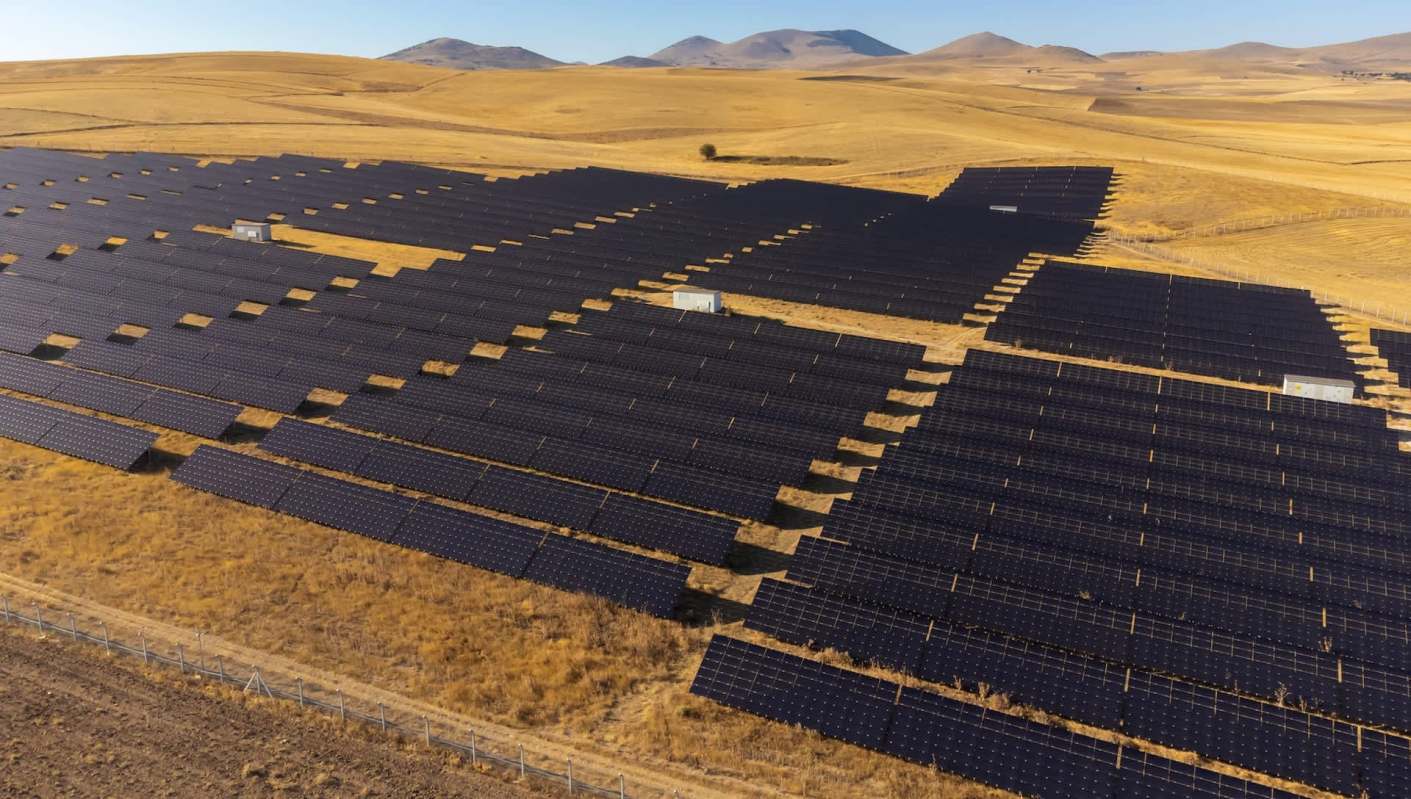
Rising electricity use from data centers and other digital facilities is shaping plans for a new energy development in Grant County, Washington. The proposed Appledale Energy Center would combine large-scale solar generation with battery storage to help meet that growing demand.
Here's what to know
Targeted for full operation in 2028, Hawthorne Renewable Energy's proposal calls for 300 megawatts of solar and a 300-megawatt battery energy storage system with four hours of storage. The combined project is intended to serve both the local grid and large electricity users, including data centers.
According to Renewable Energy World, Hawthorne brought in global engineering consulting firm RINA during the project's early development. Jonás Rodríguez, Head of Renewables North America at RINA, said the company's work spanned design optimization, preliminary layout planning, energy-yield modeling, parcel analysis, geotechnical review, and support for transformer inspections.
That process produced an initial optimized layout estimated at about 400 megawatt-peak of direct-current capacity after RINA reviewed the site's terrain, setbacks, easements, permitting constraints, and county slope requirements.
The project is projected to produce more than 650 gigawatt-hours of electricity annually, enough to serve more than 50,000 Washington households.
More background
Transmission access and site conditions have made Grant County an appealing place for energy development. Those advantages are also driving higher power demand as data centers and other digital operations seek reliable electricity supplies.
TCD Picks » Quince Spotlight
💡These best-sellers from Quince deliver affordable, sustainable luxury for all




Solar panels generate electricity when the sun is shining, but a four-hour battery system can store excess power and release it later during evening peaks, periods of grid strain, or unexpected disruptions.
For residents and businesses, that flexibility can improve reliability and help utilities avoid more expensive emergency measures. Storage can help stabilize the grid during extreme weather or periods of heavy use.
It can also help cities and companies manage power more efficiently, reducing the risk of outages and potentially lowering costs tied to expensive peak-time electricity.
Appledale also reflects a broader shift in clean energy development, in which output alone is no longer the sole benchmark. Projects are increasingly evaluated by how dependable, financeable, and grid-friendly their electricity supply is.
What's being done?
Before construction starts, RINA's job has been to reduce uncertainty around the project, Renewable Energy World reported. Using GIS tools and solar design software, the firm identified buildable areas, avoided constrained land, and developed an early plan for panel blocks, roads, inverter and transformer stations, a battery area, and a substation near the interconnection point.
The firm also completed what it described as a bankable energy-yield assessment, using site solar data, topography, shading, system losses, and expected bifacial gain to estimate output and uncertainty. Those figures can help investors and developers judge whether the project is likely to perform as planned.
In addition, RINA examined nearby parcels to determine whether acquiring adjacent land could increase capacity or add flexibility for development. It also reviewed geotechnical plans and supported transformer due diligence and factory inspections intended to identify issues that could affect performance, budget, or schedule.
If the project moves forward as planned, Appledale could illustrate how pairing solar with storage can help fast-growing regions keep up with rising demand while building a grid that is more flexible, dependable, and better prepared for a more electrified economy.

Get TCD's free newsletters for easy tips, smart advice, and a chance to earn $5,000 toward home upgrades. To see more stories like this one, change your Google preferences here.






