


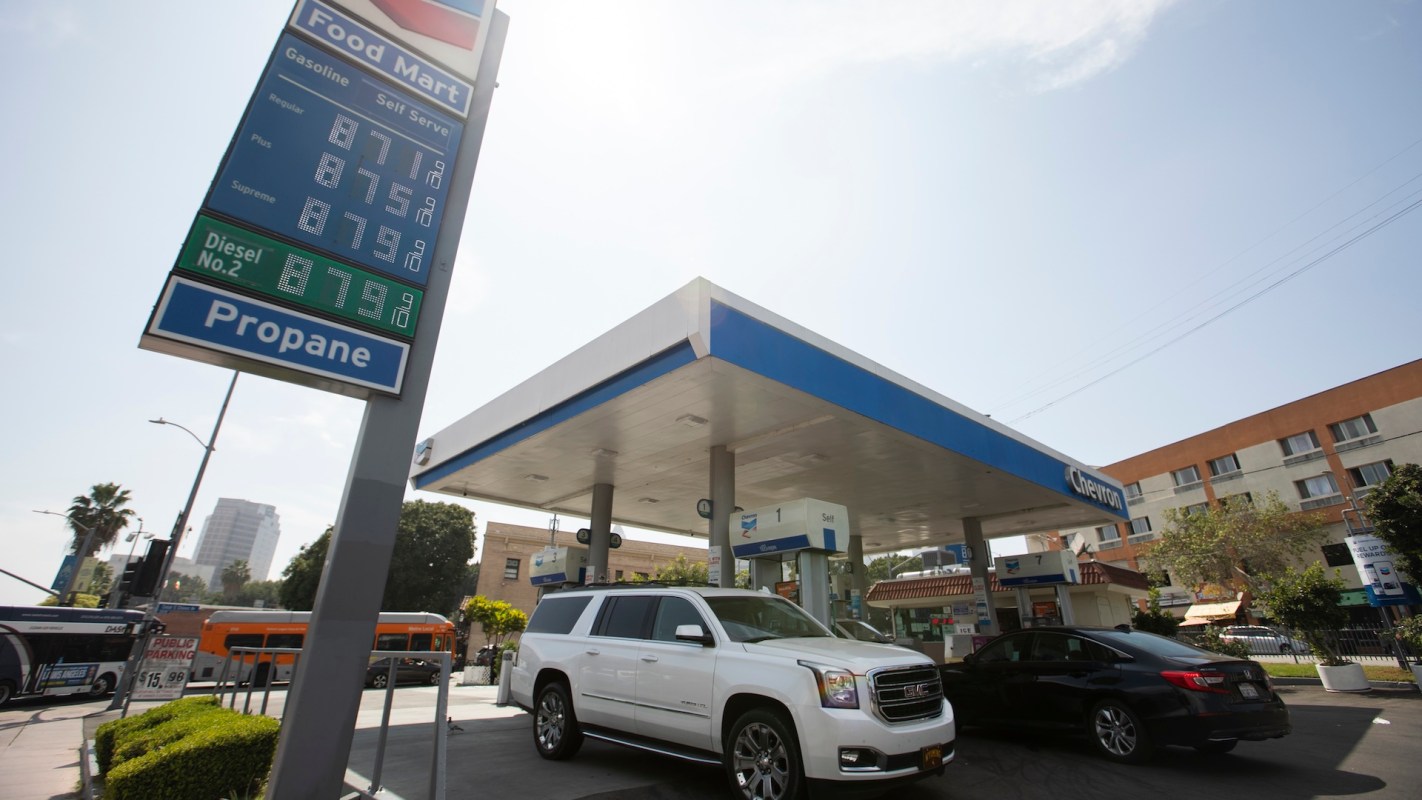
Moody Analytics calculated that the Iran War has effectively saddled U.S. consumers with a collective $100 billion in added costs, according to Fortune. That amounts to roughly $750 per household.
What's happening?
Moody's Analytics chief economist Mark Zandi said higher military spending and fuel price increases tied to disrupted oil supply chains are creating financial stress for U.S. households, Fortune reported.
As military operations in Iran intensified, a kind of oil blend known as brent crude climbed above $110 a barrel several times.
Pentagon official Jules Hurst told the House Armed Services Committee in late April that the war's cost had reached $25 billion, according to the publication.
At first, deficit-financed tax cuts offset some of those pressures. But by May 16, Zandi said, the larger tax refunds no longer made up for wartime increases in gasoline, diesel, and jet fuel costs.
Other major Wall Street firms have come to similar conclusions. Goldman Sachs estimated in April that higher gas prices amounted to about a $140 billion annualized hit to household income. Morgan Stanley concluded that a lasting 15% rise in gas prices would wipe out tax refund gains under the One Big Beautiful Bill Act. Prices were already up 40%.
TCD Picks » Quince Spotlight
💡These best-sellers from Quince deliver affordable, sustainable luxury for all




Why does it matter?
Zandi warned that the pressure is "mounting quickly," particularly for middle- and lower-income households. He said depleted savings could force many families to cut back spending and strain an already weak economy.
Bank of America's latest consumer checkpoint suggests that pullback may already be starting.
Using April data, the bank said the widest spending differences by income showed up in larger purchases such as travel. Lower-income consumers may be growing more hesitant about vacations and other optional spending as wage and fuel price uncertainty persists.
The fossil fuel industry sits at the center of that vulnerability. Heavy reliance on oil leaves families exposed to price spikes whenever global conflict disrupts supply. Pollution from extracting and burning those fuels contributes to asthma and premature death as well.
Fossil fuels worsen extreme weather events that destroy homes and local economies. Lobbying for fossil fuels can delay cleaner, cheaper energy options that could better protect households from pollution-related health harms, as well as volatile costs.
What's being done?
Analysts broadly expect the U.S. and Iran will eventually need to reach some kind of deal, which could help stabilize energy markets if tensions ease.
Reducing dependence on volatile fossil fuel markets is the clearest form of protection. Cleaner energy sources are not tied as directly to global oil disruptions, making them an important part of improving affordability and resilience.
That bigger shift will require policy choices. Holding polluters accountable, supporting workers and communities through an energy transition, and expanding cleaner systems can reduce pollution and price shocks.

Get TCD's free newsletters for easy tips, smart advice, and a chance to earn $5,000 toward home upgrades. To see more stories like this one, change your Google preferences here.






