


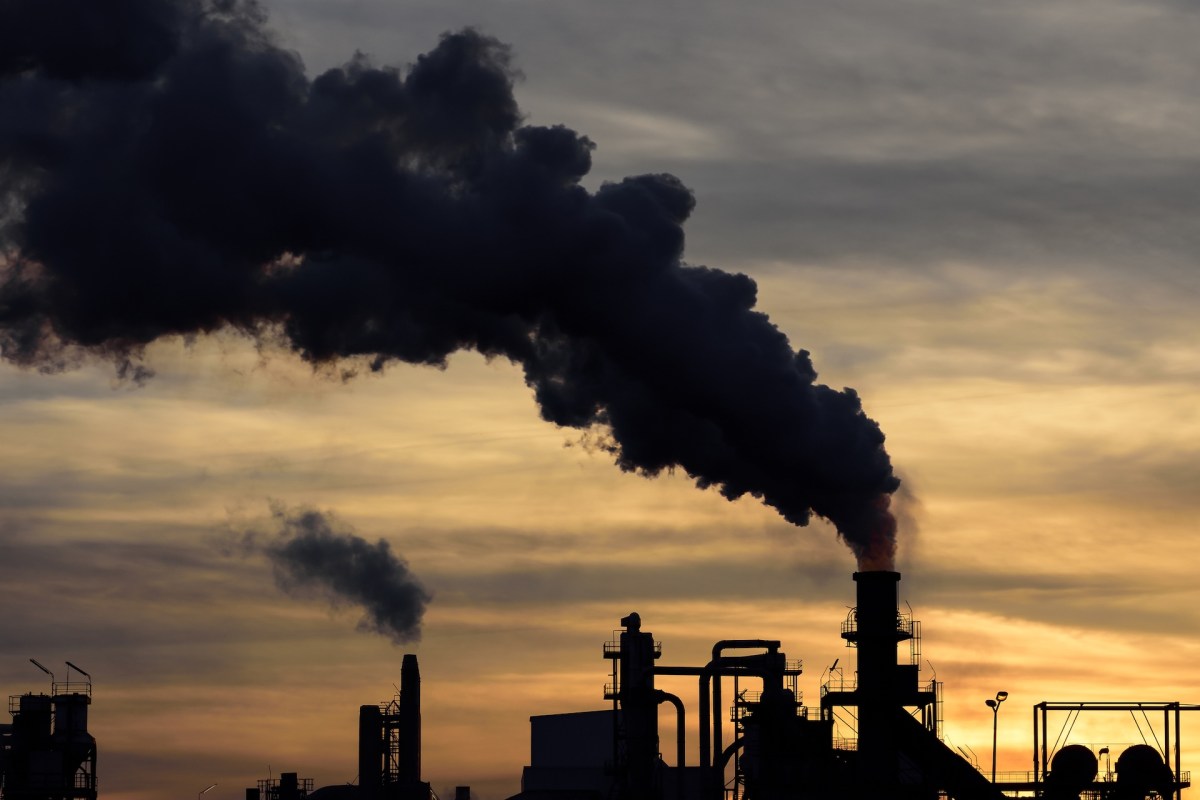
Environmental advocates marched from Lafayette Park to the St. Louis headquarters of Ameren Missouri to protest the utility's decision to keep two coal units operating longer than originally planned.
Here's what to know
The People's Joy Parade and Sierra Club led the event, urging Ameren Missouri to move up the retirement of its coal plants and put greater emphasis on renewable power, according to FOX 2. Attendees said Ameren's long-range strategy relies too much on coal and natural gas, which they tied to pollution, climate and health concerns, and rising electricity costs.
At the center of the disagreement is a revised schedule for two coal units at Ameren's Labadie facility in Missouri. Citing EnvironmentEnergyLeader.com, FOX 2 noted that Ameren once planned those retirements for 2036, but it has now moved them to 2042.
Speaking at the rally, Labadie resident Patricia Schuba said the plant's effects have been felt for decades: "They have been polluting our neighborhoods and neighborhoods of the St. Louis metro area since they opened in the '70s."
In a statement shared by FOX 2, Ameren's senior vice president and chief sustainability officer Gwen Mizell said the company is trying to balance reliability and affordability while continuing to add cleaner energy resources.
More background
Coal and natural gas plants can affect communities in several harmful ways. Their pollution can contaminate air and water and has been linked to asthma, heart disease, cancer, and premature death.
TCD Picks » Quince Spotlight
💡These best-sellers from Quince deliver affordable, sustainable luxury for all




They can also keep households tied to higher energy costs when utilities continue depending on fuel sources that must be purchased and burned, rather than drawing power from renewable resources such as sunlight and wind.
Cindy McFarland, a Labadie resident for 27 years, told FOX 2 that coal dust gathers in gutters and can blow into homes through open windows. She also said she has dealt with coughing and breathing issues over the years and often wears a mask while working outside.
"I would like that [Ameren's Labadie plant] to close or be replaced by something that is safer, for people and definitely for the environment," McFarland added.
What's being done?
When plant-retirement delays slow the transition to cleaner alternatives, communities can be left exposed to pollution for longer and postponing investments they say could lower monthly bills.
Residents and organizers have taken their complaints directly to Ameren. The People's Joy Parade and Sierra Club used the rally to press for earlier coal retirements and a faster shift toward cleaner energy sources.
"Any given day, we can see soot and smog around the plant," Schuba told FOX 2. "There are times you can even smell the pollution in the air."
She added that neighbors are dealing with chronic illnesses she believes could be connected to long-term exposure.
Addressing Ameren's position, Mizell said: "We believe the most responsible path forward is one that keeps energy reliable and manages costs for customers. … Rather than retiring facilities before the end of their useful lives, we're making the most of existing assets that customers have already invested in while continuing to add cleaner energy resources, including renewables and battery storage."
Where can I learn more?
Burning oil, coal, and gas for energy has significant public health impacts and contributes to rising electric bills. The issue has spurred protests and community outrage across the United States.
• In Missouri, cities challenged Rush Island's pollution as power bills soared 191%.
• Across the U.S., keeping old coal plants alive is costing ratepayers hundreds of millions.
• West Virginians are shouldering the costs of economic losses from aging coal plants.
• A proposed gas plant in Oak Creek, Wisconsin, sparked backlash from residents worried about pollution and hoping for more investment in renewable energy.

Get TCD's free newsletters for easy tips, smart advice, and a chance to earn $5,000 toward home upgrades. To see more stories like this one, change your Google preferences here.






